

The sudden halt in data sharing from air quality monitors stationed at U.S. embassies and consulates worldwide is creating significant gaps in global air quality monitoring efforts. On March 4, 2023, the U.S. Department of State announced this suspension due to funding issues, jeopardizing air quality assessments in 44 countries and completely
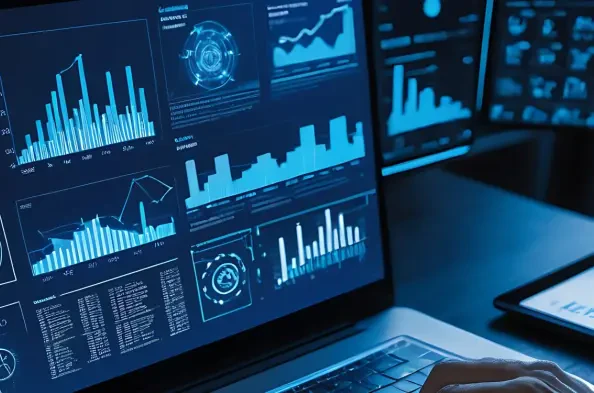
The healthcare industry is undergoing a digital transformation driven by adopting advanced technologies like observability platforms. These platforms are designed to enhance operational fluidity, ensure data integrity, and optimize resource utilization, crucial for sectors that have traditionally lagged in technological modernization. Background

In an era where digital life is integral to personal and business operations, safeguarding data becomes paramount, not merely recommended. Although many are accustomed to subscribing to paid cloud services for data backup, doing so can incur substantial costs over time. Various non-subscription alternatives are accessible, offering effective data

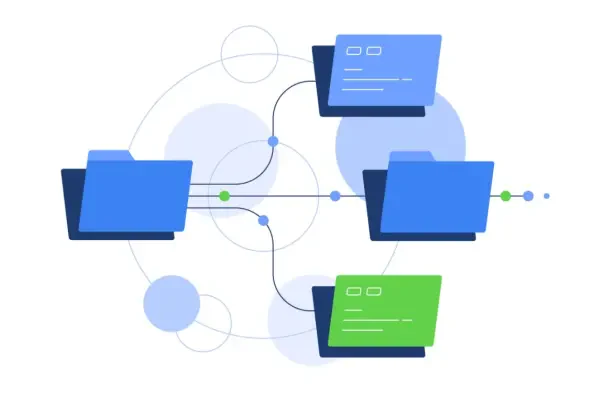
AI is transforming organizations globally, but lurking behind every AI success story is an invisible barrier that often goes unaddressed: data silos. Surprising as it may seem, nearly 90% of organizations are still grappling with data silo issues, impeding their AI ventures. The prevalence of these silos and their significant impact on AI
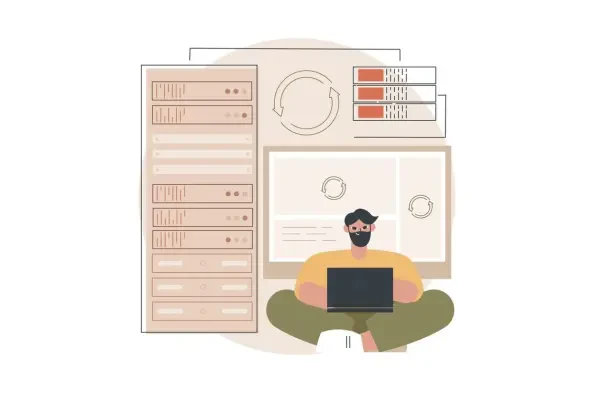
Veeam Software has announced its new SaaS backup solution, Veeam Data Cloud for Microsoft Entra ID, which aims to simplify and enhance the protection of digital identities for Entra ID tenants. With the alarming rise of over 600 million attacks on Entra ID, formerly known as Azure AD, each day, safeguarding organizational digital identities has

Could pretraining data selection be the key to unlocking the full potential of large language models? Unlocking the Full Potential of Large Language Models In the rapidly evolving world of artificial intelligence, the performance of large language models (LLMs) hinges critically on the quality and composition of their pretraining data. However,