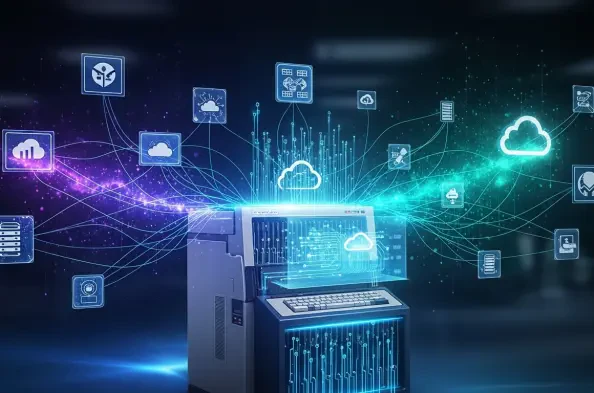
High-stakes enterprise computing is undergoing a silent transformation where the massive, room-sized processors once dismissed as relics are now the essential bedrock of the artificial intelligence revolution. For decades, the narrative surrounding the mainframe was one of inevitable decline, a slow fade into obsolescence as agile cloud providers promised a future free from “big iron.” However, the current reality tells a different story, as global organizations find that the most secure and efficient way to handle massive datasets is not to abandon their heritage systems but to modernize them using hybrid cloud and generative artificial intelligence.
The “Big Iron” Paradox: Why Global Leaders Are Reinvesting in Legacy Hardware
The technology sector recently observed a significant recalibration in how enterprise leaders view their infrastructure investments, particularly following financial reports that showed a temporary dip in traditional hardware sales. While initial reactions suggested a move away from the platform, deeper analysis revealed that organizations were simply shifting their capital allocation toward distributed hardware and storage to support complex hybrid environments. This shift does not indicate a loss of faith in the mainframe but rather a strategic pause as companies prepare their ecosystems to integrate emerging technologies more effectively.
In contrast to the “cloud-only” fever of previous years, many executives now recognize that the mainframe offers a level of vertical integration and security that distributed systems struggle to match. The reliability of these systems remains unmatched for core transactional processes in banking, insurance, and government sectors. Rather than engaging in risky and expensive migrations, enterprises are choosing to balance their portfolios, treating the mainframe as a high-performance anchor within a much larger, more flexible digital framework.
Decoupling Utility from Capital: The Economic and Strategic Resilience of Mainframes
Resilience in this space is often compared to the way consumer electronics function as integrated ecosystems where hardware and software are tuned to work in perfect harmony. The mainframe is essentially a “soup-to-nuts” package that provides a secure, high-speed environment for data-heavy operations. As the cost of cloud computing continues to rise due to complex billing models and data egress fees, the predictable economics of on-premises hardware have become increasingly attractive for organizations seeking to stabilize their long-term operational expenditures.
Moreover, the strategic value of these systems has been reinforced by the need for data sovereignty and high-speed local processing. The advent of AI has created a massive demand for low-latency access to enterprise data, much of which already resides on mainframe storage. By keeping this data in place, companies avoid the latency and security risks associated with moving vast quantities of information to the public cloud. This has transformed the mainframe from a legacy burden into a strategic asset that powers the most demanding modern workloads.
Modernization in Place: Integrating GenAI and Predictive Analytics into Mainframe Ecosystems
Generative AI is proving to be the catalyst that finally bridges the gap between decades-old code and modern software requirements. Instead of acting as a tool to help companies escape the mainframe, AI is being used to refactor COBOL and other legacy languages into more readable, modern formats that can interact seamlessly with cloud-native applications. This “modernization in place” strategy allows developers to add new features and improve system performance without the existential risk of a total platform migration, which often results in catastrophic downtime.
Beyond code refactoring, managed service providers are integrating predictive analytics and diagnostic AI assistants directly into the mainframe environment to streamline operations. These tools allow IT teams to identify potential system failures and security threats long before they impact the end user, often cutting the time required to resolve complex tickets by half. By layering these modern capabilities on top of existing infrastructure, enterprises gain the benefits of artificial intelligence while maintaining the rock-solid stability that only “big iron” can provide.
Industry Insights: Why Specialists Are Winning Where Mass Migration Initiatives Fail
The history of enterprise IT is littered with the remains of ambitious mainframe exit initiatives that failed to deliver on their promises of cost savings and agility. Research suggests that a staggering seventy percent of organizations attempting to migrate their core mainframe workloads to the cloud this year will face significant setbacks or outright failure. The complexity of these legacy environments, built over forty or fifty years, often contains hidden dependencies that distributed systems simply cannot replicate without a prohibitive investment in time and capital.
Specialist managed service providers have found immense success by focusing on this niche, offering deep technical expertise that generalist cloud integrators lack. These specialists understand that the future is not a binary choice between old and new but a “hybrid-by-design” approach that leverages the strengths of both platforms. By positioning themselves as partners in modernization rather than just migration, these firms have built billion-dollar businesses that focus on maximizing the value of existing assets while slowly integrating cloud-native efficiencies where they make the most sense.
A Practical Roadmap for Navigating the Hybrid-by-Design Transition
Navigating the transition toward a more integrated IT estate required a shift in how organizations viewed their technical debt and infrastructure potential. Leaders prioritized a pragmatic evaluation of their workloads, identifying which processes demanded the extreme security of the mainframe and which benefited from the elasticity of the cloud. This strategic clarity prevented the waste of resources on unnecessary migrations and allowed for a more focused investment in AI-driven modernization that enhanced the existing system’s capabilities.
By adopting this hybrid-by-design philosophy, enterprises successfully turned their legacy infrastructure into a competitive advantage during a period of rapid technological change. They utilized predictive analytics to stabilize operations and deployed generative AI to refresh their aging codebases, ensuring that their most critical systems remained relevant. This approach ultimately secured a future where the mainframe continued to serve as a vital, high-performance hub within a diversified and resilient digital ecosystem. These organizations moved forward with confidence, knowing that their foundational technology was robust enough to support the next era of innovation.