
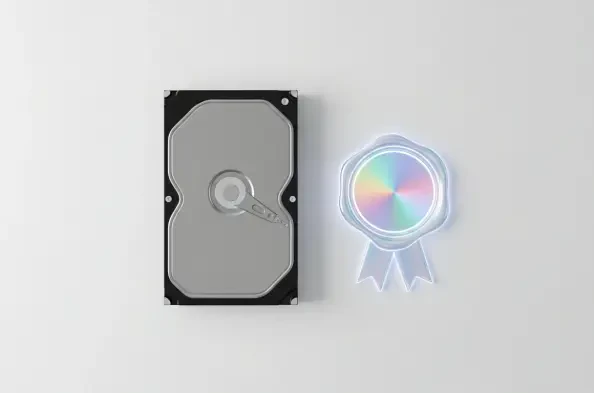
The rapid expansion of artificial intelligence is fundamentally reshaping the corporate IT landscape at a speed that traditional infrastructure management struggles to match, creating a hidden environmental and economic crisis. As organizations across the globe scramble to integrate sophisticated generative AI tools and large language models into their daily operations, they are inadvertently engaging in the mass destruction of functional hardware. This trend highlights a troubling intersection where the relentless drive for technological modernization leads directly to the premature disposal of high-value assets like enterprise-grade servers and high-capacity hard drives. The hunger for compute power is so intense that the traditional five-year hardware lifecycle has been effectively discarded in favor of immediate upgrades, leaving a trail of discarded but perfectly operational equipment in its wake.
Driven by the necessity for greater compute power and massive storage capacity, companies are shortening their hardware refresh cycles to keep pace with the specific requirements of AI workloads. This shift has created a stark financial paradox where businesses are significantly increasing their capital expenditure on brand-new infrastructure while simultaneously throwing away equipment that still holds substantial market value in secondary sectors. Instead of viewing high-performance hardware as a long-term investment to be depreciated over time, the intense pressure to maintain a competitive, AI-ready environment has turned functional technology into a disposable commodity. This cycle of acquisition and destruction is not merely an operational inefficiency; it represents a systemic failure to align rapid technological advancement with responsible resource management and fiscal prudence.
The Gap Between Security Perception and Reality
Failure to Implement Best-Practice Data Sanitization
Despite remarkably high levels of confidence among IT leaders regarding the efficacy of their internal data protection protocols, a significant confidence gap exists between their perceptions and the reality of their sanitization practices. Recent industry data suggests that while over seventy percent of executives believe their data is fully purged before disposal, very few organizations actually utilize certifiable erasure methods while devices remain connected to the network. This “gold standard” of sanitization involves using specialized software to overwrite data bits multiple times, providing a verifiable audit trail that proves the information is gone without ruining the physical drive. However, many IT departments continue to skip this step, favoring speed over the precision required to safely transition hardware into the circular economy for reuse or resale.
Instead of adhering to these rigorous standards, a surprising number of modern enterprises still rely on outdated and ineffective techniques like simple reformatting or the use of uncertified, consumer-grade software. These methods often leave sensitive information potentially recoverable through basic forensic tools, creating a massive vulnerability that could lead to devastating data breaches or regulatory non-compliance. When these weak protocols fail to provide the necessary peace of mind, leadership often retreats into a more conservative posture, choosing to destroy the hardware entirely rather than risk a leak. This reliance on subpar software solutions effectively blocks the path toward sustainable ITAD (IT Asset Disposition) practices, ensuring that millions of functional drives never reach their full operational potential.
The Defensive Posture of Physical Destruction
Because many organizations do not trust their own internal sanitization processes or the vendors they hire to manage them, they have adopted a pervasive destruction-first mentality to mitigate the risk of data leaks. This fear-based approach leads to the physical shredding and grinding of thousands of functional devices, including mobile phones, tablets, and high-end laptops that are often less than three years old at the time of their demise. By turning silicon and metal into unrecognizable dust, companies believe they are purchasing the ultimate insurance policy against identity theft and corporate espionage. This defensive strategy ensures that data is truly irrecoverable, but it also completely ignores the technical lifespan of the hardware and results in an immense waste of rare earth minerals and energy.
The statistics surrounding this trend are particularly jarring when examining the average age of the destroyed equipment. Most enterprise-grade laptops are designed to perform reliably for at least five to seven years, yet they are being fed into industrial shredders at the thirty-six-month mark to satisfy internal security mandates. Data center assets, which represent some of the most resource-intensive hardware ever manufactured, are meeting similar fates well before their primary components show any signs of mechanical failure. This culture of “shredding by default” has become a standardized operational procedure in many Fortune 500 companies, effectively prioritizing a perceived sense of security over the tangible reality of environmental degradation and the loss of significant capital recovery opportunities.
Balancing Compliance with Environmental Goals
The Conflict Between ESG Targets and Security Anxiety
Most modern IT professionals and corporate executives openly acknowledge the importance of sustainability, yet their environmental, social, and governance goals are frequently sidelined by acute security concerns. While a majority of global organizations express a formal desire to reuse or repurpose devices as part of their corporate social responsibility initiatives, they feel they lack the proper technology to sanitize them safely without resorting to physical destruction. This creates a persistent friction within the C-suite, where the Chief Sustainability Officer’s targets for carbon reduction are directly undermined by the Chief Information Security Officer’s mandate to eliminate all possible data risks. Consequently, the mission to reduce electronic waste is consistently sacrificed on the altar of absolute risk avoidance.
This internal conflict is further exacerbated by the lack of clear communication between the teams responsible for hardware procurement and those managing the end-of-life process. In many cases, the sustainability department is entirely unaware of the volume of functional hardware being destroyed in the name of security, leading to inflated ESG reports that do not account for the massive scope of electronic waste being generated. Until organizations can find a way to harmonize these competing interests through the adoption of more sophisticated, verifiable software erasure tools, the gap between environmental rhetoric and operational reality will continue to widen. The perceived need to eliminate even the smallest possibility of a security breach currently outweighs the collective benefits of a more sustainable and circular technology ecosystem.
Regulatory Pressures and the Circular Economy
Evolving privacy laws and the increasingly high cost of compliance further incentivize the destruction of hardware, as companies view physical disposal as the only failsafe way to avoid astronomical fines under frameworks like GDPR or CCPA. In an environment where a single lost hard drive can result in millions of dollars in penalties and irreparable brand damage, many legal departments mandate physical destruction as the most defensible action in a court of law. This risk-averse behavior creates a significant bottleneck in the circular economy by effectively throttling the supply of high-quality, refurbished enterprise gear to the secondary market. When large corporations choose to shred rather than sanitize, they deprive educational institutions, non-profits, and small businesses of access to affordable, high-performance technology.
Shifting this entrenched corporate culture requires a transition toward auditable, certified software sanitization that provides the same level of legal indemnity as physical destruction. By implementing standardized protocols that are recognized by global regulatory bodies, firms could finally meet the intense hardware demands of the AI era without sacrificing their commitment to long-term sustainability. The path forward involves moving away from the primitive “shred-it-all” mentality and toward a sophisticated data management strategy that treats hardware as a reusable resource. Industry leaders must advocate for broader acceptance of digital erasure certificates, which would allow the secondary market to thrive and significantly reduce the carbon footprint associated with the manufacturing of entirely new replacement components.
The corporate world reached a critical juncture where the hardware-intensive demands of artificial intelligence collided with outdated security philosophies. While the impulse to destroy equipment to protect data was understandable in a more primitive era of cybersecurity, it became an untenable practice in an age of ecological urgency and advanced digital forensics. Forward-thinking organizations addressed this by adopting enterprise-grade erasure software that provided the necessary certifiable proof of data removal while keeping the physical assets intact. This transition allowed for the recovery of significant capital through the resale of decommissioned gear, which in turn funded further AI innovation. By moving from physical destruction to verifiable digital sanitization, the industry successfully decoupled technological progress from environmental waste, ensuring that the AI revolution did not come at the expense of the planet’s finite resources.





