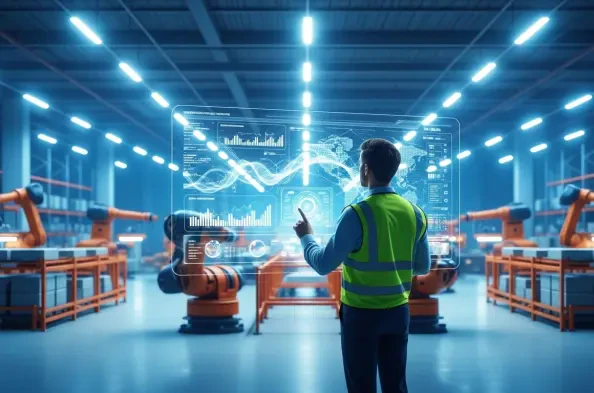
The meteoric rise of agentic artificial intelligence has forced a global reconsideration of what it truly means to maintain a competitive and functional corporate environment in the modern era. While the headlines often focus on the sheer processing power of new algorithms, the real success story of the AI-native workplace isn’t written in code—it’s written by the people using it. As AI agents gain more autonomy and become permanent fixtures in our digital offices, many organizations are realizing that technology is only as effective as the humans who guide it. Gartner analysts Max Goss and Erin Pierre suggest that for an enterprise to truly thrive, it must treat its workforce as the “North Star,” ensuring that AI serves to augment human capability rather than simply automating roles into extinction.
This human-centric focus acts as a vital safeguard against the dehumanization of work in an increasingly automated landscape. By prioritizing the human experience, companies can avoid the pitfalls of low engagement and burnout that often accompany rapid technological shifts. The goal is to create a symbiotic relationship where machine efficiency meets human creativity, resulting in a more resilient and innovative organizational structure. Consequently, the focus shifts from merely surviving the introduction of new tools to thriving within an ecosystem designed for long-term human and technological flourishing.
The Human North Star in an Automated World
The integration of advanced intelligence into the workplace necessitates a shift in perspective where the human element is no longer an afterthought but the central guiding principle. Analysts emphasize that as AI systems become more capable of executing complex tasks independently, the role of the human operator moves toward oversight, strategy, and ethical guidance. This “Human North Star” concept ensures that every technological deployment is evaluated based on its ability to enhance the quality of work and the well-being of the staff. Organizations that fail to center their strategy on people risk creating efficient but soulless environments that struggle to retain talent or foster genuine innovation.
Furthermore, this approach recognizes that while AI can process data at speeds beyond human capability, it lacks the nuanced judgment and emotional intelligence required for complex decision-making. By keeping humans at the center, enterprises can leverage the strengths of both parties, using AI to handle repetitive tasks while freeing up employees to focus on high-value, creative endeavors. This balance is crucial for maintaining a sense of purpose and agency among the workforce, which remains the primary driver of competitive advantage in a crowded market.
Navigating the Shift from Tools to Teammates
The transition to an AI-native environment represents a fundamental shift in corporate infrastructure, moving away from static software toward dynamic, agentic systems. This evolution matters because it changes the very definition of a “digital workplace,” introducing complexities that traditional IT strategies aren’t equipped to handle. With 70% of organizations already claiming to have a centralized AI strategy, the stakes have never been higher; yet, a massive disconnect remains between executive vision and employee reality. Addressing this gap is no longer optional—it is a prerequisite for survival in a market where AI-driven efficiency is becoming the baseline.
Moving beyond the era of simple productivity apps requires a rethink of how workflows are designed and managed. Instead of seeing AI as a series of isolated tools, forward-thinking leaders are beginning to view these systems as digital teammates that participate in collaborative processes. This perspective shift demands new management styles and a deeper understanding of human-machine interaction. It also requires a commitment to transparency, as employees must understand the capabilities and limitations of their digital counterparts to work alongside them effectively.
The Three Pillars of a Human-Centric AI Framework
Building a robust AI-native culture requires a foundation supported by three critical pillars: trust, governance, and empowerment. The first hurdle in the AI journey is the trust gap currently permeating the modern workforce. While leadership may see AI as a growth lever, many employees view it as a threat to their livelihoods. To bridge this, organizations must provide specific examples of how AI will benefit individual contributors. Gartner research suggests a pivotal shift between 2026 and 2029, as AI begins creating more jobs than it eliminates. Trust must also extend to external partners, as only 34% of IT leaders currently believe AI vendors will deliver on their roadmap promises, highlighting the need for a multi-vendor strategy.
Governance, meanwhile, is often the primary bottleneck for AI deployment, with 70% of organizations citing security and compliance as larger hurdles than return on investment. Many IT leaders have defaulted to a defensive “no” culture to prevent data leaks and low-quality outputs. However, a human-centric strategy transforms governance into a set of enabling guardrails through risk-based assessments and a move from restriction toward education. By teaching employees the rationale behind security protocols, companies can reduce the rise of unauthorized “shadow AI” and empower staff to handle sensitive data responsibly within approved frameworks.
Finally, the pillar of empowerment involves moving from mere compliance to active engagement through AI literacy. This requires a cultural shift where experimentation is incentivized and the psychological safety to fail is guaranteed. Leadership must model AI usage and reward those who find innovative ways to integrate these tools into their daily routines. AI literacy is not just about knowing how to write a prompt; it is about understanding the systemic limitations of the technology to prevent over-reliance on flawed or biased outputs. When employees feel capable of auditing and correcting AI-generated work, they move from being passive users to active collaborators.
Insights from the Front Lines of AI Integration
Expert analysis from recent industry summits underscores that the “Human-in-the-Loop” (HITL) model is the most critical asset for any modern enterprise. Analysts emphasize that the most successful deployments are those where humans act as the primary controllers of AI agents, ensuring that automated actions align with organizational values. Current data shows a level of skepticism regarding market stability, as only 21% of IT leaders trust that AI pricing will remain fair. This suggests that the most resilient companies are those building flexible, adaptable frameworks that do not rely on a single provider, allowing them to pivot as the economic landscape shifts.
These firsthand insights point toward a future where the human element is the only constant in a rapidly changing technological environment. Successful integration stories often highlight the importance of feedback loops where employees can report issues or suggest improvements to AI workflows. This collaborative approach not only improves the technical performance of the systems but also increases employee buy-in by making them active participants in the digital transformation. Consequently, the focus moves away from the technology itself and toward the quality of the partnership between the workforce and the digital agents they manage.
Practical Steps: Building an AI-Native Culture
The road toward a fully realized AI-native workplace required immediate, decisive action from leadership. Organizations began by conducting comprehensive audits and inventories of all authorized and unauthorized AI tools currently in use to identify and close security gaps. They replaced restrictive total bans with specific, enforceable policies that explained how to use AI for high-level tasks while strictly protecting proprietary data. These guardrails provided the necessary safety for employees to explore the technology without endangering the firm’s intellectual property or compliance standing.
To ensure long-term sustainability, enterprises launched widespread literacy programs that moved beyond basic technical training to focus on human-agent collaboration. Executives modeled leadership behavior by becoming visible users of the technology, demonstrating both the benefits and the responsible boundaries of digital tools. By creating “innovation sandboxes,” teams tested AI-driven workflows without the fear of repercussions, allowing the organization to discover high-value use cases naturally. Ultimately, the successful transition was marked by a shift in perspective, where the workforce viewed AI not as a replacement, but as a sophisticated extension of human potential.