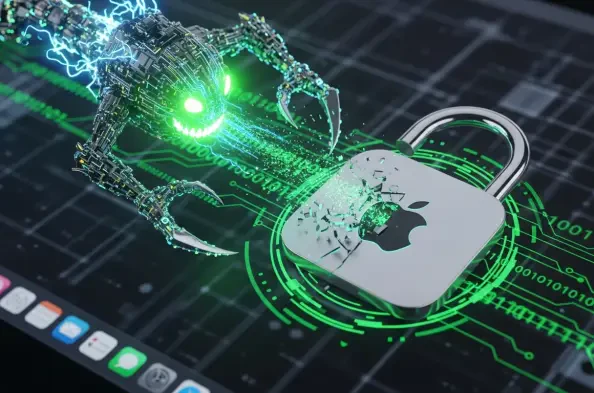
The modern landscape of macOS threats has evolved far beyond the simple adware of previous years, manifesting in sophisticated stealers like CrashStealer that specifically target high-value user data. This particular strain of malware has gained notoriety for its ability to slip past the multi-layered defenses of the Apple ecosystem, including Gatekeeper and the Notarization service. By masquerading as legitimate productivity tools or software updates, it tricks users into bypassing the very security prompts designed to protect them. Once it gains a foothold, CrashStealer initiates a systematic scan of the local environment, focusing on browser profiles, cryptocurrency wallets, and the macOS Keychain. The efficiency of this malware lies in its modular design, which allows it to remain dormant and undetectable during initial installation. It avoids traditional signature-based detection by using unique, per-infection builds that vary the underlying code structure enough to confuse automated scanners. This ensures that the malicious activity remains obscured from standard monitoring tools.
The Mechanics of Stealth and Permission Abuse
A primary method through which this malware circumvents system integrity involves the exploitation of valid Apple Developer IDs that have been stolen or purchased on underground forums. When a user downloads a malicious package signed with a recognized certificate, Gatekeeper provides a sense of false security, as the operating system verifies the identity of the developer. Building on this foundation of misplaced trust, CrashStealer often utilizes a technique known as dilution, where the malicious payload is embedded deep within a large, legitimate application bundle. This makes it difficult for XProtect to isolate the threat without scanning gigabytes of data, a process that can be resource-intensive and often delayed. Furthermore, the malware leverages clever social engineering to prompt users for Accessibility permissions. Once granted, these permissions allow the malware to observe user interactions, capture keystrokes, and even manipulate windows to authorize further access to sensitive system directories without additional user intervention or direct manual consent.
To counter the persistence of these threats, security professionals adopted a more aggressive posture by integrating advanced endpoint detection and response solutions that monitored for behavioral anomalies. Organizations successfully mitigated the risks of CrashStealer by implementing strict configuration profiles that limited the execution of unsigned code and enforced the use of managed identities. These proactive measures were complemented by the widespread adoption of hardware security keys, which effectively blocked the malware from accessing sensitive credentials even after a breach. Administrators also prioritized the regular auditing of TCC permissions and utilized automated scripts to prune unnecessary background items from user profiles. Education played a vital role, as users were trained to recognize the subtle signs of social engineering used in fake software updates. Ultimately, the industry moved toward a zero-trust model where every process was treated as a potential threat regardless of its source certificate. These strategies proved essential in maintaining the integrity of digital environments against evolving theft mechanisms.