The increasing frequency and sophistication of ransomware attacks targeting healthcare infrastructure have forced medical institutions to reconsider their reliance on traditional perimeter-based security models that often fail under pressure. This shift is characterized by a transition from reactive defense strategies to proactive operational resilience frameworks that prioritize the continuity of patient care during active cyber incidents. IGEL and Zscaler have responded to this critical need by introducing a series of zero-trust blueprints specifically engineered to safeguard clinical environments. These blueprints serve as a comprehensive strategic roadmap for healthcare IT administrators, offering a standardized method for maintaining access to Electronic Health Records even when primary systems are compromised by malware. By focusing on the intersection of secure endpoint management and identity-centric network access, the collaboration aims to provide a failsafe that prevents the total paralysis of medical services during a breach, ensuring that life-saving information remains accessible to clinicians in real time.
Recovery Architecture: Technical Frameworks for Operational Continuity
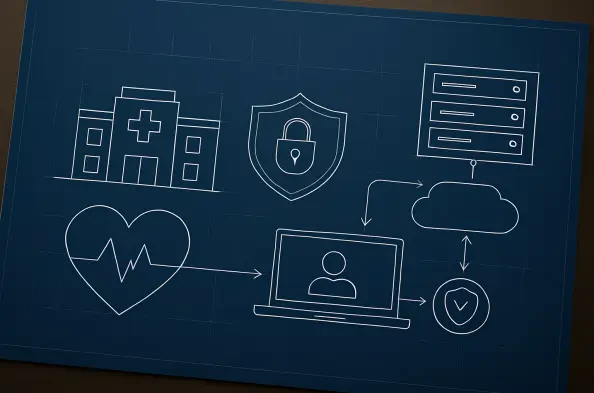
At the core of this initiative is the Isolated Recovery Environment, which is specifically optimized to integrate with Epic Electronic Health Record systems across diverse clinical settings. This architecture allows medical staff to bypass local Windows partitions that might be infected with ransomware or other malicious software, ensuring that the hardware remains functional for its intended purpose. Instead of relying on the compromised native operating system, clinicians can boot into the secure IGEL OS using either a dedicated USB device or a specialized dual-boot configuration. This mechanism effectively decouples the access point from the underlying local storage, providing a hardened shell that is inherently resistant to the lateral movement of malware within the endpoint. By providing a clean, read-only environment for record access, the blueprint minimizes the time between the initial detection of an infection and the restoration of essential clinical functions at the point of care for patients.
To complement the secure endpoint, Zscaler Private Access acts as a broker that keeps the recovery environment hidden from the public internet, effectively reducing the overall attack surface. This cloud-native approach treats clinical applications as private entities, requiring outbound-only connections and eliminating the need for traditional entry points like open ports or VPN concentrators. Every access request is verified based on strict identity and policy checks, ensuring that only authorized personnel can reach sensitive medical databases during an emergency. This system provides a centralized logging mechanism that is essential for forensic audits and investigations following a security breach, allowing teams to understand the scope of the incident. By treating the network as hostile and focusing on the integrity of the connection, the system ensures that healthcare professionals can maintain a high standard of care without being sidelined by infrastructure failures that typically accompany a large-scale cyberattack.
Distributed Care: Securing the Perimeter of Modern Healthcare
As healthcare delivery models expand into outpatient clinics and remote home-based environments, the traditional security perimeter has become increasingly difficult to maintain and protect effectively. Legacy virtual private networks often grant overly broad access to the internal network once a user is authenticated, which creates a significant risk if a single remote endpoint is compromised by an adversary. The new zero-trust blueprints address these vulnerabilities by moving away from these outdated models and focusing on the specific context of each session rather than assuming the network is safe. This approach ensures that a clinician accessing patient records from a remote location is subject to the same rigorous security protocols as those working within the hospital walls. By removing implicit trust from the architecture, the system protects sensitive resources from unauthorized access regardless of the physical location of the user, thereby supporting a more flexible and secure workforce for the future of medicine.
Following the NIST SP 800-207 standards, this zero-trust model mandates that authentication and authorization are performed for every connection request before any access to data is granted. This granular level of control prevents lateral movement within the network, as users are only permitted to interact with the specific applications and data required for their clinical roles. The blueprints utilize context-aware policies that analyze variables such as device health, user identity, and geographic location to make real-time decisions about permission levels. This methodology focuses protection on the individual resource, ensuring that even if one part of the system is compromised, the remaining infrastructure remains secure and operational. By integrating these standards into a repeatable blueprint, IGEL and Zscaler provide healthcare organizations with a clear path toward modernizing their security posture while meeting the demanding uptime requirements of critical medical environments.
Strategic Compliance: Resilience as a Primary Patient Safety Pillar
These blueprints also assist healthcare organizations in navigating the complex landscape of federal mandates, such as the HIPAA Security Rule and the Department of Health and Human Services contingency planning. While small providers often struggle with limited IT staff and significant resource constraints, this standardized architecture simplifies security management by offering a centrally managed solution. This reduces the need for expensive and specialized on-site support at every remote clinic or specialized imaging site, allowing organizations to allocate resources more effectively toward patient care. By adopting a unified approach to endpoint security and network access, providers can ensure that they remain compliant with evolving regulatory standards while simultaneously strengthening their defense against modern threats. The initiative reframes cybersecurity as a fundamental element of patient safety, acknowledging that any interruption in data access is a clinical crisis that can lead to delayed treatments or errors.
Health systems that implemented these blueprints successfully established a foundation for operational resilience that protected patient data during periods of intense digital volatility. The transition to this model allowed clinical teams to maintain high standards of care, as they were no longer vulnerable to the prolonged system outages that previously defined the aftermath of a cyberattack. Administrators observed that the integration of secure endpoint OS with identity-based brokers provided the necessary redundancy to keep life-saving applications running even when the primary network was under siege. Moving forward, organizations aimed to expand this framework to include emerging technologies such as medical IoT and advanced diagnostic tools. By treating cyber resilience as a prerequisite for clinical excellence, the industry moved toward a more stable environment where the focus remained on the well-being of patients. These blueprints represented a major step in the ongoing effort to secure the digital future of the global healthcare ecosystem.