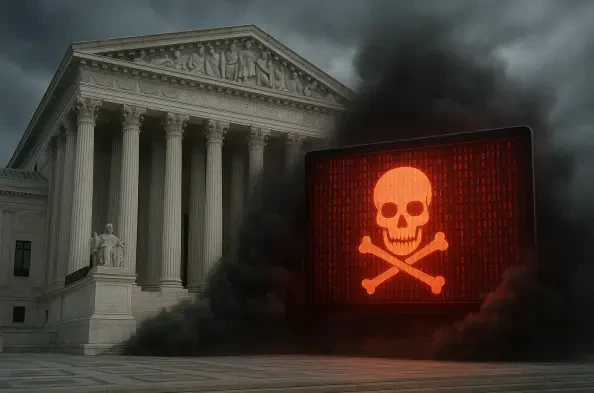
The rapid acceleration of domestic monitoring systems in 2026 has fundamentally shifted the traditional boundaries between national security and the protection of civil liberties within the United States. While surveillance traditionally targeted foreign espionage or violent criminal enterprises, the scope of federal oversight has increasingly widened to encompass ideological opposition toward the unchecked expansion of emerging technologies. This shift suggests that individuals who actively challenge the deployment of massive data centers, autonomous defense systems, or invasive biometric frameworks are no longer viewed merely as protestors but as potential disruptors of essential economic infrastructure. As the reliance on digital ecosystems deepens, the Department of Homeland Security and various law enforcement agencies have begun to integrate predictive analytics to monitor groups advocating for digital sovereignty or tech-free zones. This development raises a critical question about whether the state is prioritizing the interests of the burgeoning tech sector over the constitutional right to dissent against a digitized future that many citizens find increasingly coercive and lacks transparent oversight mechanisms.
The Infrastructure: Modern Predictive Policing
The technical apparatus facilitating this new wave of surveillance relies heavily on advanced social listening tools and real-time behavioral analysis platforms deployed across major urban hubs. In 2026, the integration of distributed cloud computing with local law enforcement databases allows for the immediate identification of individuals attending rallies centered on data privacy or the dismantling of facial recognition networks. These systems do not merely observe physical presence; they cross-reference historical digital footprints, financial transactions, and encrypted communication patterns to assign risk scores to vocal critics of the technological status quo. For instance, activists who coordinate campaigns against the installation of smart-city sensors often find their encrypted metadata under scrutiny, as federal guidelines now permit broader interpretation of what constitutes a threat to critical information systems. This level of granular visibility ensures that any collective effort to resist technological encroachment is met with a proactive, rather than reactive, response from the state, effectively neutralizing opposition before it gains significant public momentum.
Legal frameworks have evolved in tandem with these technological capabilities, often blurring the lines between legitimate political advocacy and illicit sabotage. Recent legislative updates have expanded the definition of critical infrastructure to include not just physical power grids, but the proprietary algorithms and massive server farms that power the national economy. Consequently, those who organize digital strikes or advocate for the legal right to repair encrypted hardware are frequently categorized under domestic surveillance umbrellas that were originally intended for violent extremism. This expansion is often justified by the argument that the American economic lead in artificial intelligence and quantum computing is a matter of national survival, making any domestic dissent against these sectors a perceived security liability. The result is a regulatory environment where tech corporations and intelligence agencies share data more fluidly than ever, creating a feedback loop where private sector concerns directly influence the federal surveillance priority list. This partnership effectively turns the machinery of the state against those who seek to limit the influence of private tech power on public life.
Strategic Safeguards: The Path Forward for Digital Liberty
To counteract the expansion of surveillance into the realm of ideological dissent, a multi-faceted approach involving both legislative reform and community-driven oversight is necessary. Policymakers should begin by drafting the Digital Rights Protection Act, which would explicitly prohibit federal agencies from using skepticism toward emerging technology as a primary factor in threat assessment profiles. This legislation must be accompanied by the creation of an ombudsman office specialized in technological civil liberties, providing a dedicated space for citizens to report instances of algorithmic bias or unfair monitoring. On a local level, city councils should implement transparency by design ordinances that require public disclosure of all surveillance equipment and software used in the vicinity of public squares or protest zones. These measures would create a verifiable record of state activity, allowing civil society to hold law enforcement accountable for any overreach. Such proactive steps are essential for ensuring that the transition into a more digitized economy does not come at the expense of the fundamental right to engage in open, safe, and critical political discourse.
The movement for digital sovereignty successfully demanded the establishment of independent oversight boards that provided transparent auditing of state surveillance algorithms. These boards mandated that any person flagged for anti-tech dissent received immediate notification and a legal right to review the evidence gathered against them. Furthermore, the integration of privacy-preserving technologies into the national data infrastructure became a mandatory requirement for all federal contractors, effectively ending the era of bulk metadata collection for ideological profiling. Public education campaigns were launched to distinguish between legitimate property damage and the necessary, peaceful critique of technological impacts on society. These legislative victories ensured that the right to oppose specific advancements remained a protected facet of American democracy, rather than a trigger for state monitoring. By institutionalizing these safeguards, the government finally restored the public trust that had been eroded by years of invasive predictive policing, proving that innovation and liberty could coexist.