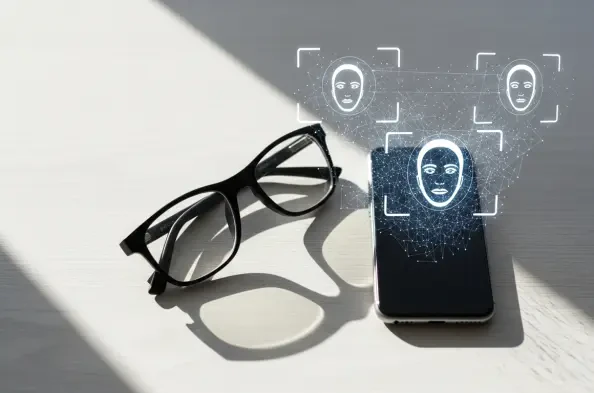
The seamless integration of wearable technology into daily routines has reached a pivotal and controversial turning point as researchers uncover sophisticated biometric tools hidden within the mobile applications managing modern smart glasses. Recent technical investigations have revealed that Meta has quietly integrated facial recognition capabilities into the mobile software used to manage its smart glasses. Internally referred to as NameTag, this hidden code is designed to allow devices like the Ray-Ban Meta glasses to identify individuals in real time and notify the wearer immediately. This discovery has sparked immediate controversy, as it appears to contradict the company’s previous public commitments to scaling back its use of biometric data. The revelation indicates a significant shift for the tech giant, which officially claimed to have shuttered its facial recognition programs years ago following a string of legal setbacks. While the company stated it was moving away from automatic photo-tagging to address privacy concerns, the presence of functional recognition code suggests a different internal priority. This discrepancy highlights a growing gap between corporate messaging and actual software development for wearable technology in this landscape.
Analyzing the Mechanics of NameTag Technology
The NameTag feature functions through a sophisticated pipeline involving three distinct artificial intelligence models stored directly on a user’s smartphone to minimize latency and improve responsiveness. The first model scans the camera’s field of view to detect human faces within the frame, while the second model crops those specific images for higher-resolution processing and biometric clarity. A third model then converts these pictures into unique biometric signatures, known as faceprints, which the system uses to match individuals against an existing database of known contacts or public figures. This localized processing approach is likely intended to circumvent some of the lag associated with cloud-based recognition, making the identification process appear almost instantaneous to the wearer. By hosting the heavy lifting of the recognition engine on the mobile device itself, the system ensures that the smart glasses remain lightweight and energy-efficient while maintaining the capability to process complex biometric data in diverse environmental conditions and lighting scenarios.
Security researchers have already demonstrated that this system is more than just dormant or vestigial code left over from previous development cycles or abandoned projects. By adding specific biometric templates to the internal storage of the management app, experts were able to successfully trigger person recognized notifications on linked hardware. This proof of concept confirms that the underlying engine is fully operational and capable of identifying targets, even though the user interface for these features remains hidden from the general public for the time being. In addition to immediate recognition, the software is configured to manage and update a local faceprint library through the company’s servers in a background process. When the system encounters an unknown face, it does not necessarily discard the image immediately; instead, it indexes and files the data in a pending folder for future categorization. This architectural structure suggests the infrastructure is intended for continuous data organization and future identification rather than being limited to isolated matches.
Evaluating Corporate Intent and Global Regulatory Alignment
This technical rollout stands in sharp contrast to the official narrative regarding user privacy and biometric safety that has been projected to the public over the last few years. In 2021, the company made a high-profile announcement about deleting over a billion faceprints and ending its automatic tagging features to settle massive legal claims and regulatory pressure. However, the presence of functional recognition code suggests that the Reality Labs division, which develops augmented reality tools, never truly abandoned its facial recognition ambitions during that transition period. Internal documents and code commits suggest a calculated strategy to reintroduce these controversial tools during periods when public or regulatory attention might be focused elsewhere. While official spokespeople maintain that the company is only thinking through the ethical implications of the technology, the actual code has been distributed in app updates for months. This approach reflects a desire to normalize biometric surveillance by slowly integrating it into common consumer electronics.
The decision to embed such powerful capabilities without transparent disclosure raises significant questions about the internal governance of large-scale technology firms today. Since 2026, the demand for more intuitive augmented reality experiences has pushed developers to explore features that blur the line between personal assistance and intrusive monitoring. By maintaining a library of biometric signatures on the device, the company creates a framework that could be activated globally with a single server-side toggle, bypassing traditional opt-in consent models. This strategy appears designed to establish a technical fait accompli where the infrastructure is already pervasive before lawmakers have the opportunity to draft specific restrictions. Such a move complicates the relationship between tech companies and privacy advocates, who argue that the reuse of facial recognition technology undermines the trust necessary for the adoption of wearable hardware. The tension between engineering goals and legal compliance continues to define the trajectory of the wearable market.
Addressing the Erosion of Public Anonymity
Privacy advocates and civil rights organizations warn that these glasses could effectively turn every wearer into a mobile, distributed surveillance unit capable of tracking movement. The inconspicuous nature of smart glasses allows for the silent identification of strangers in public settings, presenting significant risks regarding stalking and unwanted tracking of private citizens. This shift threatens the fundamental sense of anonymity that people expect when moving through public spaces, potentially altering human behavior in profound ways as individuals realize they are being scanned. If anyone on the street can potentially access the identity, social media profiles, or professional history of a passerby with a glance, the traditional boundaries of social interaction are dissolved. Furthermore, the decentralized nature of this surveillance makes it nearly impossible for victims to know when their data is being collected or by whom. This lack of transparency creates a power imbalance where the wearer holds significant informational advantages over the observed.
A primary tension in this ongoing debate is the potential use of the technology as an assistive tool for the visually impaired or those with cognitive recognition challenges. Identifying acquaintances and providing contextual cues can significantly improve the quality of daily life for those with limited sight, offering a level of independence previously unavailable. However, critics argue that these niche benefits should not serve as a justification for a mass-market surveillance tool that affects the entire population without consent. Because the code is integrated into a general-purpose AI application, the potential for widespread and unregulated use remains a major concern for legal experts and the public alike. The challenge lies in creating a system that assists specific user groups without creating a massive database that could be exploited by third parties or used for unintended purposes. Striking a balance between accessibility and privacy requires a level of transparency that has been notably absent from the current rollout of the NameTag system.
Navigating the Path Toward Responsible Biometric Standards
The revelation of hidden facial recognition code necessitated a shift toward more rigorous independent audits of mobile software associated with wearable hardware. Policymakers recognized the need for clear boundaries that distinguished between helpful personal AI and invasive biometric tracking systems that operated without explicit user knowledge. It became clear that the industry required a standardized framework for the handling of local biometric data to ensure that faceprints were never exfiltrated or used for cross-platform profiling. Moving forward, the implementation of hardware-level indicators, such as more prominent recording lights or audible alerts, served as a starting point for re-establishing public trust. Advocacy groups pushed for the adoption of privacy-by-design principles that ensured biometric features remained disabled by default and required verifiable consent before activation during initial setup. This proactive approach sought to prevent the normalization of secret surveillance in favor of a more ethical future.
Consumers were encouraged to engage more deeply with the privacy settings of their smart devices and demand greater transparency from manufacturers regarding hidden features. The technical community advocated for open-source verification of app binaries to ensure that no dormant code could be activated without public scrutiny or regulatory oversight. Furthermore, the development of legal protections against unauthorized biometric scanning in public spaces became a priority for legislatures around the world to safeguard individual rights. These actions collectively established a new baseline for corporate accountability in the era of pervasive augmented reality and artificial intelligence integration. By moving beyond reactive measures, stakeholders were able to foster an environment where technological innovation did not come at the expense of fundamental human liberties. The transition to a more transparent ecosystem ultimately benefited both developers and the public by clarifying the ethical boundaries of modern wearable computing and ensuring that users remained in control of their identities.