A Strategic Pause: Aligning Technological Growth with Sustainability
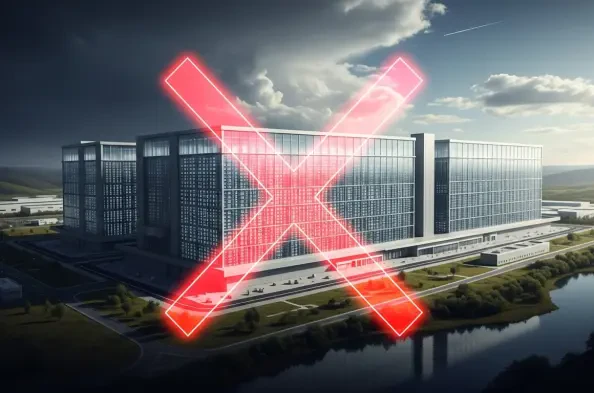
The sheer magnitude of electrical demand required to sustain the current generation of artificial intelligence hardware has reached a critical threshold, forcing one of the world’s most influential economies to tap the brakes on industrial expansion. Governor Kathy Hochul’s recent executive order imposes a one-year moratorium on new permits for hyperscale data centers, creating a definitive moment of friction between Silicon Valley’s ambitions and the physical limitations of the power grid. This regulatory intervention seeks to prevent a scenario where the digital revolution unintentionally compromises the fundamental reliability of public utilities. By freezing new developments, the state aims to construct a policy architecture that ensures every new megawatt of compute power also serves the broader public interest.
This strategic pause is not merely a delay but a necessary recalibration in an era where the hunger for processing power is outstripping the pace of infrastructure modernization. State officials recognize that the unchecked growth of massive server farms could threaten the progress toward carbon neutrality and lead to increased costs for everyday energy consumers. The moratorium provides a window to assess the long-term viability of these facilities and to establish clear, enforceable standards for their operation. As other regions grapple with similar pressures, New York’s decision is positioned as a potential national model for integrating the AI economy into a stable and equitable societal framework.
The Evolution of Data Infrastructure: The Shift in State Policy
In the recent past, the relationship between state governments and digital infrastructure providers was characterized by aggressive courtship, with officials offering lucrative tax breaks to attract any available data center project. This competition was rooted in the belief that digital presence equated to economic modernization, yet the technical requirements of these facilities have fundamentally transformed. The arrival of massive generative AI models has turned data centers from moderate utility consumers into heavy industrial “energy giants” that demand a scale of electricity previously reserved for entire metropolitan areas. This shift has rendered older incentive models obsolete, as the cost of supporting these facilities now often outweighs the direct economic benefits they provide to local communities.
This transition from light digital overhead to massive industrial footprints has forced a rethink of how states allocate their most precious resources. While data centers were once seen as clean, quiet neighbors, the hyperscale facilities of today require sophisticated cooling systems and high-voltage connections that can strain local water supplies and electrical substations. The historical approach of offering streamlined permitting has given way to a more cautious stance that prioritizes grid stability and environmental health. Understanding this background is essential to realizing why New York has moved from a position of welcoming growth to one of demanding accountability and strict compliance with public interest goals.
Navigating the New Regulatory and Financial Landscape
Establishing New Benchmarks: Environmental and Grid Accountability
Central to the current pause is the development of a Generic Environmental Impact Statement, a document designed to codify the exact costs of housing hyperscale hardware. State regulators are moving beyond superficial green pledges to demand granular data on how these massive clusters influence local air quality and water reserves used for liquid cooling. This systematic review ensures that the expansion of the digital economy does not derail aggressive climate mandates or lead to brownouts for residential consumers. Future approvals will likely depend on a facility’s ability to demonstrate real-time grid flexibility, signaling that the era of unlimited power consumption has officially ended in favor of a more managed utility environment.
Moreover, the state is looking to implement a monitoring system that tracks the actual carbon footprint of each facility in real-time. This shift toward empirical data over projected estimates will force operators to be more transparent about their resource consumption and waste production. Facilities that cannot meet high efficiency standards may find themselves ineligible for future permits, regardless of their economic potential. By setting these benchmarks, the state is creating a competitive environment where environmental responsibility is a prerequisite for market entry, ensuring that only the most efficient and sustainable projects are allowed to proceed once the moratorium is lifted.
The Community Investment Framework: The End of Subsidies
A radical restructuring of the industry’s financial burden is also underway, moving toward a standardized model that prioritizes the host locality’s fiscal health. The proposed Community Investment Framework introduces a significant levy of $1 million per megawatt of power demand, effectively turning infrastructure projects into major sources of public funding for housing and broadband. By moving to repeal sales tax exemptions, the state is also signaling that data center operators must contribute to the tax base like any other heavy industrial player. This transition represents a total reversal of the traditional subsidy model, shifting the financial responsibility for grid modernization from the average ratepayer to the developers who are driving the need for such upgrades.
This financial recalibration is designed to ensure that the wealth generated by the AI revolution is not siphoned away from the areas that provide the necessary physical resources. For too long, local municipalities have borne the burden of increased infrastructure maintenance without seeing a corresponding increase in tax revenue or public services. Under the new framework, the development of a data center will be intrinsically linked to the improvement of local public goods, creating a more symbiotic relationship between high-tech corporations and the communities they occupy. This approach ensures that the digital economy contributes to tangible social progress, making the presence of hyperscale facilities a net positive for local residents.
Integrating Social Responsibility: Labor Standards into Infrastructure
The moratorium further addresses the physical presence of these facilities through “Good Neighbor Commitments” that target the external effects of high-density computing. New regulations will mandate strict architectural standards and mitigation strategies for noise and light pollution, ensuring that data centers do not disrupt the quality of life in surrounding neighborhoods. Simultaneously, the state is making organized labor a mandatory partner in the development process to ensure that the massive capital expenditures associated with AI hardware lead to high-quality, local job creation. This approach attempts to rectify the long-standing criticism that these facilities operate as “ghost warehouses,” generating vast wealth for remote corporations while offering few tangible benefits to the local workforce.
By embedding these labor and social standards into the permitting process, the state is redefining what it means for a project to be “economically viable.” A project’s success will no longer be measured solely by its compute capacity or revenue potential, but by its contribution to a stable and well-paid local workforce. This strategy includes the creation of specialized training programs that prepare local workers for roles in maintaining and managing the sophisticated hardware housed within these centers. Ultimately, these measures aim to weave the technology sector into the social fabric of the state, ensuring that the growth of artificial intelligence supports, rather than displaces, the economic security of the broader population.
Anticipating Market Shifts: The Future of AI Compute
Market participants are already beginning to price in the “slow squeeze” that this regulatory bottleneck will cause across the Eastern Seaboard. While some developers might look to neighboring states to bypass New York’s restrictions, the regional interconnectedness of the power grid suggests that similar constraints will soon appear in adjacent markets. This environment of scarcity is expected to drive up the cost of colocation and cloud services, as providers pass the expenses of increased compliance and community reinvestment down to the end user. However, this period of constraint is also likely to foster a secondary market for efficiency, where software optimization and decentralized “edge” computing become more valuable than sheer server volume.
Looking ahead, the industry will likely see a significant shift in where and how AI workloads are processed. As power availability becomes the primary limiting factor, developers will gravitate toward regions with massive renewable energy surpluses or innovative grid-management policies. We may also witness an acceleration in the adoption of alternative energy sources, such as small modular reactors or large-scale battery storage, specifically designed to power these energy-intensive hubs. This evolution suggests that the future of AI will be defined not by who has the most servers, but by who can most effectively navigate the complex intersection of energy policy, environmental regulation, and community relations.
Actionable Strategies: Navigating the Changing Infrastructure Environment
For organizational leaders, the current landscape necessitates a fundamental pivot in how digital capacity is managed and procured. Site selection must now involve a deep audit of local regulatory trends and grid stability rather than just proximity to fiber backbones. Companies should prioritize the deployment of more efficient hardware that can maximize output within a smaller energy footprint to mitigate the risk of rising utility costs. Diversifying the geographical distribution of workloads has become essential to avoid being trapped by localized moratoriums, ensuring that mission-critical AI operations can continue even as specific regions impose stricter limits on growth.
Furthermore, businesses should actively seek out partners who demonstrate a commitment to transparent reporting and community engagement. Investing in “green” compute options and participating in local infrastructure projects can serve as a hedge against future regulatory changes and improve a firm’s standing with both regulators and consumers. As the era of cheap, subsidized data center expansion comes to an end, the most successful organizations will be those that view sustainability and social responsibility not as secondary costs, but as core components of their long-term infrastructure strategy. Embracing these principles today will provide a competitive advantage as more states adopt the rigorous standards pioneered by New York.
A New Standard: The AI-Driven Economy
The New York moratorium successfully established a precedent for balancing the demands of the technology sector with the needs of the public. Policy makers moved away from an unsustainable growth model and toward a structured environment that emphasized long-term grid resilience. Industry stakeholders adjusted their strategies to prioritize energy efficiency and community transparency, proving that the digital economy could thrive without exhausting local resources. These actions ultimately provided a blueprint for other jurisdictions to follow, ensuring that the transition into a more automated world remained compatible with the physical realities of modern infrastructure. The shift from unregulated expansion to responsible development marked the beginning of a more mature phase in industrial technology management.
Moving forward, the relationship between data center operators and state governments matured into a collaborative partnership focused on shared goals. The implementation of standardized fees and labor requirements eliminated the race to the bottom that previously defined the sector, replacing it with a stable framework for long-term investment. This period of reflection allowed for the integration of cutting-edge cooling technologies and renewable power sources that significantly reduced the industry’s environmental impact. By choosing to prioritize the stability of the electrical grid and the well-being of its citizens, the state ensured that technological progress served as a catalyst for broader societal resilience. This transition proved that with the right regulatory foresight, the massive power of artificial intelligence could be harnessed in a way that was both profitable and profoundly sustainable.