
Data Governance
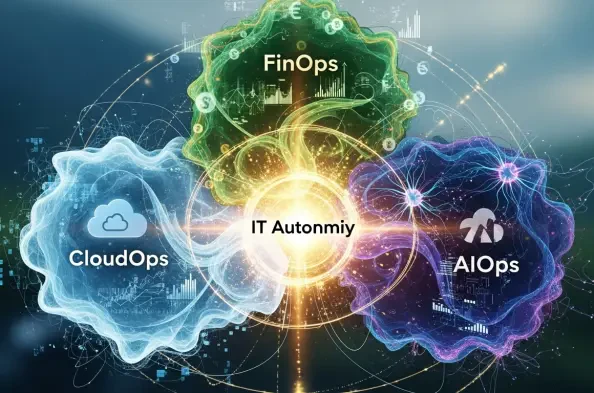
The digital enterprise has moved beyond the simple adoption of cloud services into an era where the sheer velocity of data and the volatility of generative AI consumption have made human-centric oversight physically impossible for global organizations. As businesses navigate increasingly distributed environments, the reliance on manual

Deep within the digital architecture of the modern corporation, a silent revolution is currently unfolding as autonomous software entities execute complex data maneuvers entirely beneath the visibility of traditional administrative dashboards. These "headless" agents represent a departure from the user-facing chatbots that defined the early days

The rapid evolution of autonomous artificial intelligence systems has fundamentally transitioned the digital landscape from a collection of passive tools into a network of active agents capable of performing complex tasks on behalf of human users. As these agentic systems handle everything from sophisticated financial scheduling to sensitive data

Finance executives are increasingly realizing that the era of incremental software updates and siloed process improvements has reached its natural conclusion. The traditional method of modernizing a department—swapping out an old general ledger or automating a single accounts payable workflow—no longer suffices in a landscape dominated by

The once-revered pursuit of a perfectly deduplicated database has reached an unexpected ceiling as modern autonomous systems demand the nuance of relationships rather than just the precision of isolated records. While the "golden record" was once the ultimate goal for data professionals, even the most immaculate record can leave an AI agent

The compromise of the Belgian State Security agency's internal infrastructure serves as a stark reminder that even the most sensitive government entities are not immune to the sophisticated exploitation of zero-day vulnerabilities within widely deployed networking hardware. This specific intrusion targeted the Ivanti Connect Secure VPN appliances,