
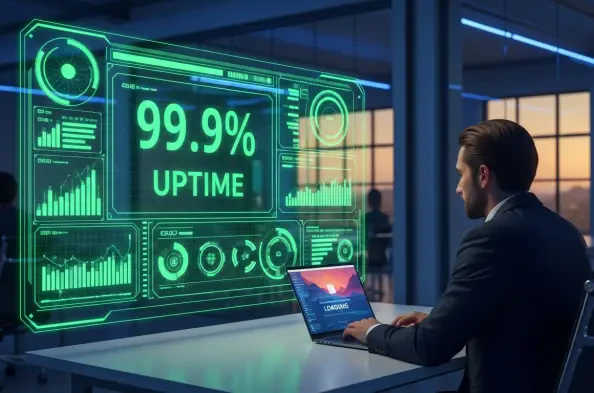
The stark reality of modern digital operations often reveals a confusing paradox where technical dashboards glow with successful indicators while the actual workforce remains paralyzed by persistent software glitches. This phenomenon describes a landscape where technical benchmarks are met with surgical precision, yet the end-users—the employees driving the business forward—feel increasingly disconnected from the tools intended to empower them. In this environment, a service provider might celebrate a 99.9% uptime record, but if the login process takes five minutes every morning, that technical success becomes a functional failure. The historical reliance on rigid, machine-centric metrics has created a blind spot that hides deep-seated inefficiencies within the digital workplace.
As organizations push toward greater agility and remote flexibility, the traditional methods of evaluating IT performance are proving inadequate for measuring real-world impact. The focus is shifting from simply keeping the lights on to ensuring that those lights allow everyone to work effectively without shadow IT workarounds. This evolution demands a transition from Service Level Agreements (SLAs) to Experience Level Agreements (XLAs), prioritizing the human experience as the ultimate arbiter of IT success. By centering the digital journey of the employee, companies can ensure that technology serves as a bridge to productivity rather than a barrier to progress.
The Watermelon Effect: Why High-Performing Metrics Can Mask Business Failure
The “watermelon effect” serves as a vivid metaphor for a systemic failure in traditional IT outsourcing relationships where the exterior of the relationship looks healthy while the interior is failing. On the outside, the service provider presents a green scorecard indicating that every contractual obligation, from server availability to help desk response times, has been met. However, beneath this thin layer of statistical success lies a red interior of employee frustration and mounting technical debt. This disconnect occurs because traditional metrics are designed to measure the health of the machine rather than the satisfaction of the human operator. When the focus remains exclusively on technical checkboxes, the true health of the business remains obscured by a facade of operational compliance.
Moving past the assumption that a resolved ticket is the same as a solved problem is the first step toward genuine service improvement. In many legacy models, a ticket is marked “resolved” the moment it is closed in the system, regardless of whether the employee can actually resume their work without further issues. This creates a culture of speed over substance, where service providers are incentivized to move through volume rather than ensure quality. A truly effective IT environment requires a shift in perspective, moving the focus from how fast the IT staff works to how well IT enables the total workforce. When success is measured by the absence of friction rather than the number of tickets closed, the entire service delivery model aligns with the actual goals of the enterprise.
The Obsolescence of the Transactional IT Support Model
The foundational structures of IT outsourcing are increasingly out of step with the requirements of the modern digital workplace. Many current contracts were originally drafted under the assumption that IT was a back-office utility, similar to electricity or water, where the primary goal was cost containment and basic reliability. However, as business models have digitized, the role of IT has transformed into the primary engine of employee productivity and corporate innovation. A legacy contract designed five to seven years ago lacks the flexibility to address the complexities of hybrid work, cloud-native applications, and the high expectations of a digitally native workforce. These older agreements often prioritize transactional efficiency at the expense of long-term strategic value.
Standard SLAs frequently incentivize behaviors that lead to the proliferation of “shadow IT” and inefficient manual workarounds. When employees find that official support channels are too slow or focused solely on technical compliance, they naturally seek unauthorized alternatives to maintain their productivity. This trend not only introduces security risks but also signals a fundamental breakdown in the partnership between the business and its service provider. To remain relevant, managed service providers must evolve their models to prioritize business outcomes over technical outputs. The modern partnership requires a provider that takes responsibility for the end-to-end digital journey, acknowledging that a technical system is only as good as the user’s ability to navigate it effectively.
Defining Experience Level Agreements as a New Paradigm for Measurement
Experience Level Agreements represent a fundamental shift in how organizations define and quantify the value of IT services. Unlike SLAs, which focus on the technical process, XLAs are designed to capture the human outcome of a service interaction. This new paradigm recognizes that while it is important for a laptop to be functional, it is equally important that the employee feels capable and supported while using it. Key performance indicators within an XLA framework often include perceived productivity, user sentiment, and the overall ease of accessing support. By quantifying these subjective elements, organizations can move toward a more holistic understanding of how technology impacts the bottom line and employee retention.
It is a common misconception that XLAs are intended to replace technical service level agreements entirely; rather, they are designed to augment and humanize them. The relationship between the two is complementary, as technical stability remains the foundation upon which a positive experience is built. An organization still requires high uptime and rapid response times, but these metrics are now viewed through the lens of user impact. Continuous improvement becomes the primary objective, with the provider tasked with identifying and eliminating repetitive digital hurdles that frustrate users. This approach transforms IT from a reactive department that fixes broken things into a proactive partner that optimizes the work environment for peak performance.
The Data TrifectTriangulating Sentiment, Operations, and Telemetry
Successful implementation of experience-based management requires a sophisticated approach to data that combines human feedback with technical realities. This “data trifecta” consists of Experience Data (X-Data), Operational Data (O-Data), and Technical Data (T-Data). X-Data captures the sentiment layer, providing insight into how employees feel about their digital tools through surveys and feedback loops. O-Data represents the traditional metrics found in service management platforms, such as ticket volumes and resolution times. Finally, T-Data provides the telemetry from the devices and networks themselves, offering objective evidence of hardware performance and application stability. When these three data streams are triangulated, the organization can identify the specific root causes of user dissatisfaction.
The strategic importance of client-owned data cannot be overstated in this new measurement model. To maintain objectivity and prevent reporting bias, the data platforms used to measure experience should be independent of the service provider’s own management tools. This ensures that the reporting remains transparent and reflects the true state of the environment rather than a curated version of events. Moving from defensive reporting to collaborative problem-solving requires both the client and the vendor to have access to a single version of the truth. When the data reveals a gap in performance, the conversation can shift from assigning blame to identifying specific technical or process improvements that will benefit the end-user directly.
Strategic Frameworks for Implementing XLAs in Managed Service Contracts
Integrating experience-based metrics into managed service contracts requires a structured approach that moves beyond traditional penalty-based governance. Organizations typically adopt one of four models: Experience Thresholds, Digital Experience (DEX) Scores, Continuous Improvement, or Capability Delivery. Shifting the contractual focus from financial penalties to incentives for innovation encourages providers to go beyond the bare minimum of service delivery. Instead of fearing a fine for a missed SLA, the provider is motivated to find creative ways to boost employee productivity and engagement. This alignment of interests creates a more collaborative environment where both parties are invested in the long-term success of the digital workplace.
Establishing a robust governance structure is essential for turning monthly scorecards into actionable steering sessions that drive real change. For organizations without historical experience data, the first step involves building a baseline of employee sentiment to understand the current state of the workplace. This baseline allows for the setting of realistic improvement targets and prevents the implementation of arbitrary goals that the provider cannot meet. Governance meetings should focus on analyzing experience trends and adjusting strategies based on the triangulated data rather than simply reviewing past failures. By creating a clear roadmap for maturity, companies can successfully navigate the transition from transactional outsourcing to a partnership centered on the human experience.
The decision to move away from purely technical metrics marked a significant turning point for enterprises seeking to modernize their IT operations. Organizations that adopted Experience Level Agreements found that the shift required more than just new spreadsheets; it demanded a fundamental reorganization of how value was perceived and delivered. The transition provided a clearer window into the daily struggles of the workforce, allowing leaders to address the digital friction that previously went unnoticed. Service providers also adapted to this new reality, evolving from ticket-driven entities into strategic partners that prioritized the health of the employee’s digital journey. This evolution effectively bridged the gap between IT performance and business success, ensuring that technology served its ultimate purpose as an enabler of human potential. Success was no longer defined by a stopwatch, but by the seamless flow of work across the digital landscape. Moving forward, the focus remained on refining these human-centric models to stay ahead of the changing needs of the global talent pool. Companies discovered that the ultimate competitive advantage lay in a workforce that was supported by technology rather than hindered by it. In the end, the transition from SLAs to XLAs proved that the most important metric in IT was always the person behind the screen.





