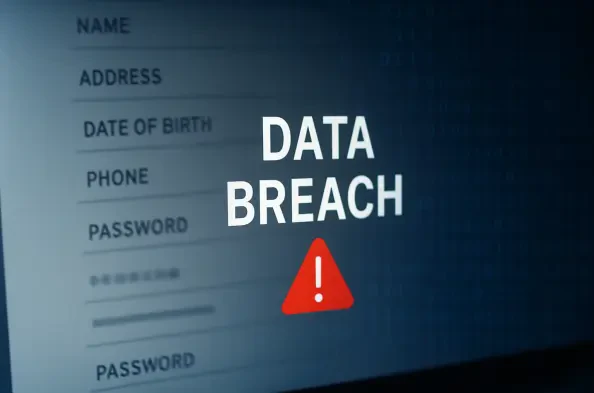
The exposure of names, email addresses, and phone numbers for over 11,742 customers provides malicious actors with the necessary tools to launch highly personalized phishing campaigns that mimic official Trezor support communications. This significant security lapse did not originate within the company’s internal database but instead occurred through ShipMonk, a third-party fulfillment partner tasked with the logistical handling of hardware wallet shipments. While the cryptographic integrity of the devices and the digital assets they protect remain uncompromised, the leak of physical shipping information represents a major breach of privacy for nearly 14,000 individuals worldwide. This incident marks the first time in the history of the firm that sensitive physical delivery data was exposed, revealing a critical weakness in the broader cryptocurrency ecosystem. Even when digital assets are secured by the most advanced encryption, the logistical paper trail generated during a simple purchase can expose individuals to real-world threats.
Impact on Customer Privacy and Data Integrity
The breach effectively categorized affected users into two primary groups based on the extent of the information leaked from the fulfillment partner’s systems. For the first group of 11,742 individuals, the exposure was comprehensive, involving full names, active email addresses, phone numbers, and physical residential addresses across various regions including the United States, Europe, and South America. A second group of 1,947 customers suffered a slightly narrower but still dangerous loss of data, with their names, cities, and email addresses becoming accessible to unauthorized parties. The wide geographic distribution of the victims underscores the global reach of modern hardware wallet providers and the immense responsibility placed on third-party logistics firms. Because this data includes physical locations, the risk profile for these individuals shifts from purely digital concerns to tangible physical security anxieties that are difficult to mitigate immediately during the current year.
It is important to note that the breach was specifically isolated to the infrastructure maintained by ShipMonk, rather than being a systemic failure within the manufacturer’s own internal web store or production facilities. Customers who utilized major retail platforms like Amazon for their purchases remained unaffected by this specific leak, as those transactions were managed through a separate logistical pipeline with different data handling protocols. This distinction highlights the fragmented nature of modern supply chains, where the security of a product is only as strong as the weakest link in its distribution network. The manufacturer responded by clarifying that their internal manufacturing processes and software development environments were never at risk, yet for the end-user, the damage to privacy remains the same. This isolation of the fault to a third party provides some relief regarding device hardware but does little to shield customers from targeted harassment or sophisticated social engineering tactics.
Strategic Response to Emerging Security Threats
The exposure of residential addresses and contact information introduced a series of dangerous scenarios that extended far beyond typical email spam or generic marketing calls. With access to such detailed dossiers, cybercriminals were equipped to launch hyper-targeted phishing campaigns that leveraged the victim’s purchase history to gain unearned trust. More alarmingly, the cryptocurrency industry witnessed the rise of poisoned hardware attacks, where criminals mailed modified or counterfeit devices directly to a victim’s home address. These malicious devices were often accompanied by convincing documentation instructing the user to initialize the wallet and enter their recovery seeds, which then transmitted the private data back to the attacker. By knowing exactly who owned a hardware wallet and where they lived, malicious actors bypassed digital defenses entirely and focused on the much more vulnerable human element within their own private residences during the 2026 cycle.
In response to these persistent vulnerabilities, the industry shifted toward more aggressive data retention policies and technical safeguards. It was determined that the most effective solution involved the immediate deletion of sensitive shipping information as soon as the delivery was confirmed by the carrier. New privacy protocols, such as the implementation of Zcash’s ‘Tachyon’ initiative, were introduced to decouple a customer’s identity from their physical location through advanced cryptographic hardening. Security experts emphasized that the focus moved from merely hardening the device itself to securing the entire lifecycle of the product from the factory floor to the customer’s doorstep. These proactive steps successfully reduced the digital footprint left by investors, ensuring that the act of purchasing security did not become a liability. By prioritizing logistical privacy alongside cryptographic strength, the community worked to close the gap that criminals had exploited, ultimately fostering a more resilient environment.