
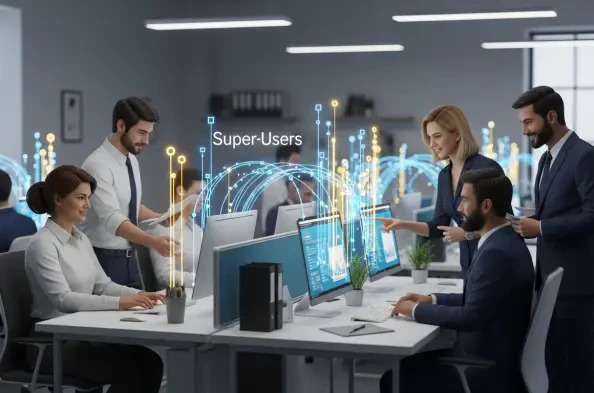
Organizations frequently invest millions of dollars into Enterprise Resource Planning (ERP) systems only to witness a precipitous drop in productivity during the crucial weeks following the official system launch. While technical glitches are often blamed for these setbacks, the underlying culprit is typically a fundamental disconnect between the software’s capabilities and the staff’s ability to navigate new workflows. Generic training programs, often delivered by third-party vendors who lack deep insight into specific company cultures, tend to focus on button-clicking rather than problem-solving. This approach leaves employees feeling isolated and overwhelmed by the sheer complexity of the new interface. To reverse this trend, businesses must move away from the traditional model of passive instruction and instead focus on cultivating a robust internal network of experts who can bridge the gap between technical functionality and practical application. Prioritizing human-centric education allows companies to transform their ERP investment into a catalyst for growth.
1. Selecting Strategic Department Specialists at the Start of the Project
The foundation of a successful digital transformation begins with the early identification of internal influencers who possess both technical aptitude and a high degree of social capital within their respective teams. Rather than waiting until the software is fully configured to begin the educational process, organizations should select at least one specialist from every impacted department the moment the project kicks off. These individuals are often the “go-to” people when colleagues encounter difficulties, making them the ideal candidates to serve as the primary link between the technical implementation team and the end users. Choosing specialists who are deeply respected by their peers ensures that the eventual training will be met with trust rather than skepticism. These experts bring a wealth of institutional knowledge that outside consultants simply cannot replicate, allowing them to identify potential friction points in the software design before they become systemic issues for the entire organization during the rollout.
Successful selection also requires a firm commitment from executive leadership to protect the time and energy of these chosen department specialists throughout the duration of the project. It is a common mistake for management to layer these new responsibilities on top of an already full workload, which inevitably leads to burnout and a lack of focus on the critical details of the ERP transition. To avoid this pitfall, department heads must actively reassign routine tasks to other team members, thereby providing the specialists with the necessary bandwidth to immerse themselves in the configuration phase. Acknowledging this commitment publicly within the company reinforces the importance of the project and signals that the specialist’s role is a vital career development opportunity. When these employees feel supported by their leadership, they are much more likely to take ownership of the system’s success, transforming from mere participants into passionate advocates for the new digital environment.
2. Integrating Internal Experts Throughout the System Setup Process
Internal specialists must be integrated into the core project team as active contributors during the configuration and design phases rather than being treated as passive observers. By involving these subject matter experts in user acceptance testing and process mapping, the organization ensures that the software is tailored to meet the specific demands of daily operations. This hands-on involvement allows specialists to provide real-time feedback on whether a particular module or dashboard aligns with how tasks are actually completed in the field. This collaborative approach minimizes the risk of delivering a system that is theoretically sound but practically unusable for the frontline workforce. Furthermore, being present during the build phase allows these experts to develop a granular understanding of the system’s architecture, which is essential for troubleshooting common errors that might occur after the platform goes live for the entire company.
Beyond technical configuration, this early immersion provides specialists with a deep understanding of the logical framework that governs the new software’s decision-making processes. When it eventually comes time to teach their peers, these experts can explain the “why” behind specific data entry requirements or workflow changes, rather than just reciting a list of instructions. This contextual knowledge is what separates an effective instructor from a generic trainer, as it helps employees understand how their individual contributions fit into the broader organizational ecosystem. By the time the teaching phase officially begins, these internal specialists have already spent months interacting with the interface, making them highly credible sources of information. Their ability to speak the language of their department while navigating the complexities of the ERP system bridges the communication gap that frequently plagues high-stakes technology implementations in the modern corporate landscape.
3. Developing a Curriculum Focused on Practical Daily Workflows
The most significant failure of traditional ERP instruction is the overreliance on generic manuals that prioritize software features over the specific tasks employees must perform to remain productive. Educational materials should be meticulously structured around realistic work scenarios that reflect the actual challenges faced by different departments, such as accounting, logistics, or sales. For instance, rather than simply demonstrating how to use a search bar, the curriculum for the accounting team should focus on the step-by-step process of reconciling complex multi-currency transactions. Similarly, warehouse staff should spend their training hours practicing the physical movement of inventory through the system using the actual handheld devices they will use on the floor. When the curriculum mirrors reality, employees are more likely to retain information because they can immediately see how the new technology simplifies their existing responsibilities and reduces manual errors.
To maximize the impact of this task-oriented approach, organizations should utilize actual company data within a dedicated training environment that mimics the live system without the risk of data corruption. Practicing with familiar customer names, product codes, and vendor lists helps demystify the new software and builds the user’s confidence before the official transition occurs. Every lesson must be designed to answer the fundamental question of how the platform assists the employee in completing their work more accurately and efficiently. This prevents the training from feeling like an academic exercise and positions it as a practical toolkit for professional success. By moving away from abstract feature lists and toward meaningful application, the organization fosters a culture of competence where staff members feel empowered to explore the system’s advanced capabilities. This strategic focus on relevance ensures that the transition is viewed as an upgrade to their work life.
4. Organizing Post-Launch Assistance for Real-Time Employee Support
The true test of any educational program occurs in the chaotic period immediately following the system’s “go-live” date, where theoretical knowledge is put to the test under pressure. Organizations must move away from the “one-and-done” training mindset and instead establish a robust support structure that provides immediate assistance to employees as they navigate the live environment. During these critical first few weeks, department specialists should transition into their roles as the primary points of contact, stationed directly within their teams to provide side-by-side coaching. This localized support model ensures that minor questions are answered instantly, preventing them from escalating into major productivity bottlenecks or causing widespread frustration. Having a familiar face available to troubleshoot real-time issues creates a psychological safety net that encourages employees to engage with the system rather than reverting to inefficient legacy workarounds.
Furthermore, the role of the department specialist during this phase extends to acting as a vital communication channel between the end users and the technical IT project team. They are uniquely positioned to identify recurring technical bugs or process misunderstandings that may require system adjustments or additional targeted training sessions. By documenting these challenges and reporting them through a formal feedback loop, the specialists ensure that the ERP system continues to evolve in alignment with the needs of the business. This structure also relieves the central help desk of an overwhelming volume of basic inquiries, allowing IT professionals to focus on resolving more complex backend stability issues. The presence of on-site experts who can resolve problems in real-time is the single most effective way to maintain morale and ensure a smooth trajectory toward full organizational adoption of the new digital infrastructure.
Navigating the Transition to Sustainable Operational Excellence
The transition to a new ERP environment required a fundamental shift in how the organization viewed the intersection of technology and human talent. It was realized that the most sophisticated software was only as effective as the people operating it, which necessitated the creation of an internal ecosystem of experts. By selecting respected department leaders early and integrating them into the design process, the implementation team ensured that the system reflected practical realities. The curriculum moved beyond abstract features and instead grounded the learning in the daily tasks that drove the company’s revenue and operations. This strategy successfully mitigated the typical drop in productivity that often accompanied large-scale digital overhauls. The specialists served as the essential bridge during the high-pressure weeks following the launch, providing the real-time coaching that allowed their colleagues to adapt with confidence and speed.
Looking ahead, the success of this model provided a clear roadmap for future technology adoptions across the entire enterprise. The focus on building internal capabilities meant that the company was no longer dependent on expensive outside consultants for every minor adjustment or workflow change. As the business environment continues to evolve through 2026 and beyond, the organization should maintain this network of specialists to facilitate continuous improvement and ongoing system optimization. Regular check-ins and advanced training sessions for these internal experts will ensure that the ERP system remains a dynamic asset rather than a static tool. By fostering a culture of continuous learning and peer-to-peer support, the organization secured a competitive advantage that prioritized human expertise alongside technological innovation. The final result was an agile workforce that was fully prepared to leverage the power of the digital platform to achieve long-term strategic goals.





