Organizations are making unprecedented investments in next-generation AI-powered PCs with dedicated neural processing units, yet many of their most skilled employees continue to report significant performance bottlenecks and frustrating software conflicts. This growing divide between hardware potential and practical output signals a critical flaw in a technology strategy that prioritizes the machine over the user. As companies seek to harness the full power of artificial intelligence, it becomes clear that superior hardware is only the starting point for building a truly intelligent and productive modern workplace.
The Paradox of Productivity in the Hardware Boom
The rush to equip workforces with AI PCs is driven by the promise of a revolutionary leap in efficiency. These devices, engineered with powerful NPUs, are designed to handle complex AI workloads locally, accelerating tasks from data analysis to content creation. On paper, this hardware-centric strategy appears to be the most direct path to a more intelligent and productive workplace.
However, a disconnect is emerging between technological potential and real-world application. Even with state-of-the-art machines, employees frequently encounter friction in their digital environment, from application latency to system instabilities. This reality forces a critical question: is a focus on hardware alone sufficient to build a truly optimized work environment, or does it overlook a more fundamental component of productivity?
Redefining Value from Device Health to Employee Experience
The answer lies in a strategic pivot from device-centric metrics to a human-centric focus on the overall Employee Experience (EX). Once considered a “soft” metric, EX has become a critical indicator of business health, directly influencing everything from talent retention to innovation. It encompasses every digital touchpoint an employee has, shaping their ability to perform tasks efficiently and effectively.
This shift is supported by compelling financial data. Research indicates that organizations that strategically invest in improving EX can achieve revenue growth up to 50% greater than their peers. Consequently, the evolution of the modern workplace is no longer about simply managing assets reactively. It is about implementing predictive, experience-driven systems that anticipate and support employee needs.
The Inadequacy of a Break Fix Model
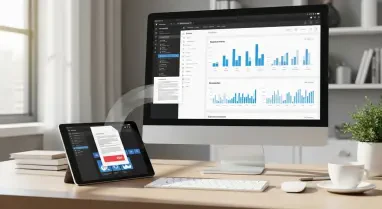
Traditional IT support models are fundamentally misaligned with this new paradigm. The conventional “break-fix” approach concentrates on monitoring device health—CPU utilization, memory status, and disk space—while often remaining blind to the user’s actual experience. A system may appear healthy on a dashboard, yet the employee could be struggling with slow application response times or persistent configuration conflicts that hinder their work.
This gap between device monitoring and user reality creates significant friction and prevents organizations from unlocking the full potential of advanced technologies. For instance, while generative AI tools have been shown to boost performance by as much as 40%, their benefits are severely diminished if the underlying digital experience is cumbersome. The productivity gains promised by powerful software are effectively nullified by a poor operational environment.
Moving Beyond the NPU with AI Driven Support
AI PCs serve as a powerful foundation, providing the necessary processing power to run sophisticated applications without compromising performance. Their dedicated NPUs are essential for local AI execution. Yet, they represent only one piece of a much larger strategic puzzle. The hardware is the stage, but a seamless performance requires intelligent orchestration behind the scenes.
To bridge the gap between hardware capability and user productivity, a more sophisticated solution is required: an AI-driven support platform designed to hyper-personalize the digital workplace. Such a platform moves beyond reactive problem-solving to create a continuously optimized environment for each employee. Lenovo’s Care of One platform exemplifies this forward-thinking approach. Instead of just monitoring devices, it analyzes comprehensive data on user personas, application usage, and work patterns. This allows the system to predict potential issues, such as performance degradation or software conflicts, and remediate them proactively, often before the user is even aware of a problem.
The Measurable Returns of an Intelligence First Strategy
Adopting an intelligence-driven IT strategy delivers clear, quantifiable returns that extend far beyond user satisfaction scores. By transforming IT support from a reactive cost center into a continuous optimization engine, organizations can achieve significant financial and operational efficiencies. The performance metrics are compelling. This proactive approach has been shown to resolve up to 40% of IT issues without any human intervention, leveraging automation to maintain system health.
Furthermore, it can reduce overall end-user support costs by up to 30%, freeing up significant budget resources for other strategic priorities. This model also redefines the role of the IT department. By leveraging tools like smart self-service AI assistants and proactive reporting that optimizes device lifecycles based on actual usage, IT teams are liberated from the endless cycle of routine maintenance. They can then pivot their focus toward high-value strategic initiatives that drive business innovation and growth.
The discourse surrounding workplace technology has definitively evolved. It has moved beyond a singular obsession with hardware specifications toward a more holistic and impactful understanding of the employee’s complete digital journey. The limitations of a hardware-only approach became evident, revealing that true productivity was contingent on a seamless, intelligent, and personalized experience. Looking ahead, the ultimate competitive advantage will not be determined by which company owned the most powerful PCs. Instead, it will be secured by organizations that deploy intelligent systems capable of continuously optimizing the digital environment for every individual. This human-centric, AI-driven strategy is the definitive path to unlocking the combined potential of both human talent and technological innovation.