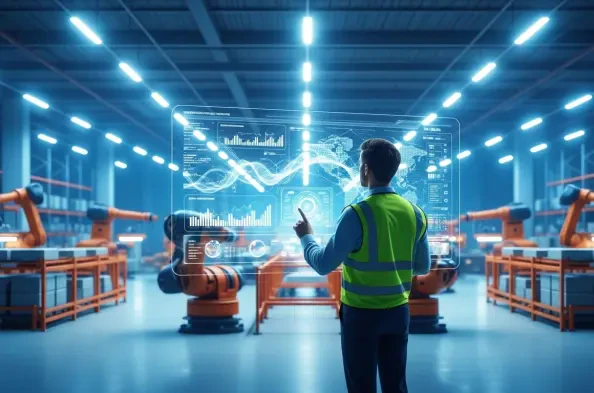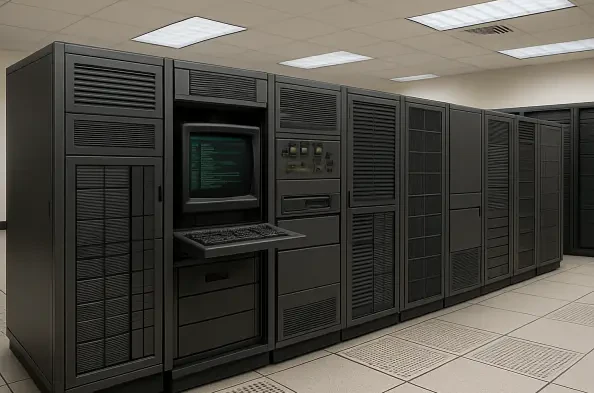
The successful integration of Artificial Intelligence into mission-critical mainframe environments hinges less on the technology itself and more on the people behind the terminal, a reality that is becoming increasingly clear as organizations push forward with modernization. Much like learning to drive a car, theoretical knowledge of AI is not enough; true empowerment comes from practical experience, confidence behind the wheel, and a deep understanding of the established “rules of the road.” Without a proactive and multifaceted strategy to upskill developers, address critical governance gaps, and build organizational trust in these new capabilities, enterprises risk not only stalling their most ambitious innovation efforts but also exposing their core business operations to significant and unforeseen operational and security risks. This transition demands a fundamental shift in focus from pure technology acquisition to the cultivation of human readiness, ensuring that the developers who steward these vital systems are equipped to navigate the complexities of an AI-first future. The challenge is not merely technical; it is a complex interplay of skill, psychology, and organizational culture that will determine the ultimate success or failure of AI on the mainframe.
The Human Element in an AI-Driven World
The Unseen Challenge in Legacy Modernization
The mainframe remains a bedrock of the global economy, with over 70% of Fortune 500 companies still depending on these powerful systems for their most essential operations. As these platforms are increasingly integrated into modern hybrid cloud ecosystems, the introduction of advanced technologies like agentic AI, which can perform autonomous tasks with minimal human intervention, presents a profound new layer of complexity. This is not a distant, theoretical problem but an immediate and pressing one. A recent industry report revealed a startling statistic: 35% of organizations that have already begun using AI on their mainframes report that existing skills gaps are actively hindering their progress and preventing them from realizing the full potential of their investments. This finding powerfully underscores the urgency of preparing the workforce for this new reality, highlighting that the primary bottleneck in modernization is no longer hardware or software but the readiness of the human element. The continued strategic importance of these systems means that failure to address this gap is not an option, as it directly impacts business continuity and competitive advantage.
The challenge deepens when considering the nature of the skills required. The narrative that new skills must simply replace old ones is dangerously simplistic in the context of the mainframe. Instead, the future demands a hybrid developer profile, one who combines deep, foundational knowledge of legacy systems with a sophisticated understanding of modern AI principles. This integration is critical because the context provided by mainframe expertise—understanding COBOL, JCL, and complex system architectures—is precisely what allows for the safe and effective application of AI. Without this domain knowledge, AI tools become powerful but blunt instruments, capable of causing as much harm as good. The persistent skills gap is exacerbated by an aging workforce, with experienced professionals retiring and taking decades of institutional knowledge with them. This makes the need for a structured, continuous training approach that bridges the old and the new more critical than ever, transforming skill development into a core strategic imperative for any organization serious about its long-term technological health and innovation capacity.
Moving Beyond Fear to Foster Innovation
Beyond the need for technical proficiency, a significant and often underestimated psychological barrier stands in the way of progress: a pervasive lack of confidence among developers. Those who manage systems responsible for processing billions of transactions a day and handling the world’s most sensitive data are, by necessity and training, extremely cautious. The fear of causing an outage, introducing a security vulnerability, or disrupting a mission-critical production environment can lead to a culture of inertia, effectively confining promising AI initiatives to limited, low-risk pilot projects that never achieve enterprise scale. This hesitation is not a sign of resistance but a rational response to the high-stakes nature of their work. Overcoming this requires more than just training manuals and online courses; it demands the deliberate creation of a supportive culture and a technical infrastructure where developers feel psychologically safe to experiment, learn from failure, and build the practical experience needed to trust both their own skills and the new technology they are being asked to implement.
To dismantle this confidence barrier, organizations must invest in creating an ecosystem that actively supports skill growth and safe experimentation. This goes far beyond traditional classroom learning and involves establishing structured mentorship programs that pair seasoned mainframe experts with developers who are new to AI, allowing for the organic transfer of practical wisdom and tacit knowledge. Furthermore, the implementation of sophisticated simulation tools and “safe-play zones”—fully sandboxed environments that mirror production systems—is essential. These platforms allow developers to explore, test, and even break AI deployments without any risk to live operations, providing the “behind-the-wheel” experience necessary to build true confidence. Fostering internal communities of practice where developers can collaborate, share successes, and openly discuss failures also plays a crucial role. By investing in these supportive structures, organizations can empower their teams to move from a state of caution-driven paralysis to one of innovation-driven clarity, transforming the mainframe from a system that is merely maintained into one that is actively and confidently driven into the future.
Building a Framework for Confident Adoption
Establishing the Rules for a New Era
Before any developer can effectively and safely leverage the power of agentic AI, the organization must first establish a clear and comprehensive governance framework. A dangerous lag currently exists between the rapid, almost relentless pace of AI advancement and the much slower evolution of corporate compliance, security protocols, and regulatory efforts. This gap is exacerbated by a limited organizational understanding of AI’s full implications, a common failure to prioritize governance as a foundational prerequisite, and insufficient technical oversight. The consequences of operating in this gray area can be severe, as AI systems often interact with highly sensitive data and operate on continually evolving codebases, creating new vectors for risk. To counter this, developers must become fluent in the latest organizational and legal rules surrounding AI deployment. This knowledge provides the essential “guardrails” that enable them to harness AI’s capabilities within a controlled and secure environment, protecting critical systems and ensuring the company avoids the significant financial penalties, legal liabilities, and reputational damage associated with regulatory breaches and security failures.
This emphasis on governance is not intended to stifle innovation with bureaucracy but to enable it by creating a predictable and safe operational landscape. These frameworks act as the “rules of the road,” giving developers the clarity and confidence needed to proceed without fear of inadvertently causing harm. This is directly linked to the persistent mainframe skills gap, which is widening as experienced professionals retire. Investing in comprehensive education that covers not only mainframe fundamentals and AI principles but also modern governance and compliance standards is therefore a strategic necessity. Such an approach ensures that the next generation of mainframe professionals understands not just how to build and deploy AI but how to do so responsibly and securely. By positioning governance as a fundamental enabler rather than an obstacle, organizations can foster a culture of trust, accelerate the adoption of transformative technologies, and maintain a crucial competitive edge in an increasingly complex digital world. This proactive stance on governance ensures business continuity and turns potential risks into managed and understood components of a robust innovation strategy.
Engineering Security as a Core Feature
Building upon a solid foundation of governance, the implementation of robust technical security measures serves as the essential “seatbelt” for AI adoption, ensuring that powerful new systems operate reliably and safely. Agentic AI, with its capacity for autonomous action, requires a sophisticated, multi-layered defense strategy that goes beyond traditional security postures. A critical component of this strategy is the strict enforcement of Role-Based Access Control (RBAC), which limits an AI agent’s permissions to the absolute minimum required for its specific functions. This principle of least privilege is paramount, as it minimizes the potential impact of any unauthorized or erroneous actions. This is complemented by uncompromising standards for secure authentication and credential management, including the use of secure credential storage, end-to-end data encryption, and multi-factor authentication to protect the integrity of the entire system from unauthorized access.
Further strengthening this technical framework involves a focus on interaction and execution controls. These safeguards include rigorous input validation to meticulously check the data being fed to AI models, preventing prompt injection attacks or the processing of malicious data. It also requires continuous output monitoring to review the AI’s responses and actions for anomalies or policy violations. Crucially, a human-in-the-loop oversight model must be mandated for any high-impact or potentially disruptive actions, adding a critical layer of human judgment and accountability before changes are committed in a production environment. This technical rigor is not a one-time setup but an ongoing discipline. It requires disciplined prompt engineering to ensure that instructions given to AI agents are clear, unambiguous, and aligned with business objectives, alongside the establishment of comprehensive observability and auditing capabilities. This continuous monitoring provides the transparency and accountability necessary to build enterprise-wide trust, maintain compliance, and ensure that AI systems operate as predictable and secure partners in business operations.
Forging a New Breed of Hybrid Developer
The ideal mainframe developer for the emerging AI era is a multifaceted, hybrid professional who possesses a seamless blend of deep foundational knowledge and forward-looking AI literacy. AI tools themselves can be powerful instruments for accelerating modernization and closing skills gaps, but only when they are wielded by individuals who understand the underlying systems they are intended to modify. Therefore, foundational mainframe fluency—encompassing deep expertise in languages like COBOL, system architecture, and operating system intricacies—provides the indispensable context for applying AI effectively and, most importantly, safely. This core expertise must be thoughtfully integrated with a strong, practical understanding of how to build, train, manage, and interact with AI agents in a manner that aligns with enterprise goals and complex business logic. It is critically important to actively combat the outdated and inaccurate perception that mainframe skills are obsolete; in reality, the pronounced scarcity of qualified professionals in specialized areas often leads to higher compensation and makes these skills more valuable than ever for guiding complex, AI-driven modernization projects.
A significant barrier to developing this blended skill set is not a scarcity of educational resources but rather a persistent “perception problem” that discourages new talent from entering the field. A study by the Futurum Group provided stark evidence of this disconnect, finding that 61% of organizations report a significant gap between the mainframe skills taught in academic institutions and the practical, real-world skills needed in the workplace. This finding highlights the critical need for continuous, integrated, on-the-job training that goes beyond basic education and focuses on real-world application. Organizations must invest in curricula that fuse mainframe fundamentals with AI development, creating a learning pathway that produces truly multiskilled developers. This strategic investment in talent development is the most direct way to ensure that the organization not only maintains its critical legacy systems but also transforms them into agile, intelligent platforms ready for the future. The goal is to cultivate a workforce that sees the mainframe not as a relic but as a dynamic environment ripe for innovation.
A New Chapter in Mainframe Modernization
The journey to integrate AI into the mainframe was one that required a deliberate shift in perspective, moving the focus from technology acquisition to human enablement. Organizations that succeeded in this transition recognized early on that the most advanced algorithms were ineffective without skilled and confident developers to guide them. They invested heavily in creating supportive ecosystems, complete with mentorship programs, sandboxed environments for safe experimentation, and internal communities where knowledge could be shared freely. This cultural investment proved to be the decisive factor, as it transformed developer apprehension into genuine enthusiasm and empowerment. By providing the tools and the psychological safety needed to learn and grow, these enterprises cultivated a new generation of hybrid professionals who were fluent in both the legacy systems and the AI of the future. This strategic focus on people ensured that the mainframe evolved from a system that was simply maintained into one that was actively and innovatively driven, securing its central role in the enterprise for years to come.