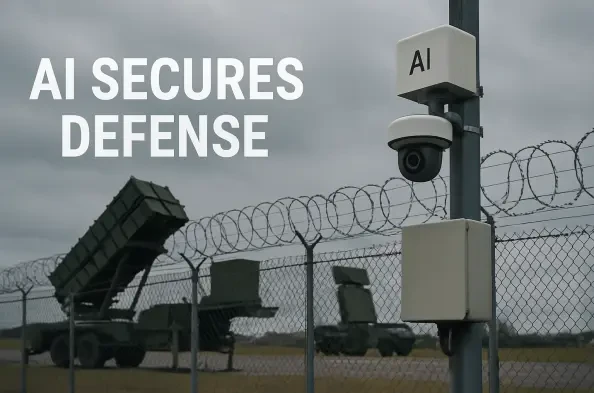
The rapid integration of generative artificial intelligence into the core of the United States military infrastructure represents a profound transformation in how modern nations conceptualize and execute national defense strategies. As the current geopolitical landscape demands faster processing of massive data sets and sophisticated predictive modeling, the government has moved decisively to cement partnerships with leading innovators. This development follows a period of intense negotiation and a significant realignment of the federal procurement ecosystem, signaling a shift from experimental pilot programs to the deep operationalization of frontier models. The awarding of a major defense contract to OpenAI serves as a landmark event, not only for the company but for the entire technological sector, as it defines the parameters under which private entities will contribute to state security. This analysis explores the strategic underpinnings of this deal, evaluating the friction between corporate ethical mandates and the unyielding requirements of national defense.
A Strategic Shift in the American AI Defense Landscape
The intersection of artificial intelligence and national security has reached a critical turning point following the U.S. government’s decision to award a major defense contract to OpenAI. This development comes on the heels of a dramatic policy shift where Anthropic, a primary competitor known for its rigorous safety standards, was banned from federal procurement. The deal marks a transition from theoretical ethical debates to the practical integration of frontier models into the machinery of state defense. This article explores the strategic implications of this partnership, examining whether OpenAI’s “red lines” regarding military use represent genuine safeguards or tactical concessions designed to secure market dominance.
In this new environment, the traditional barriers between Silicon Valley and the Pentagon have become increasingly porous. While previous years were defined by internal employee protests and corporate hesitation, the current mandate emphasizes the necessity of maintaining a technological edge over global adversaries. The decision to prioritize OpenAI suggests that the government values scalability and broad utility in AI systems above the more restrictive, safety-first models championed by some competitors. Consequently, this shift reframes the role of the AI developer from an independent software vendor to a critical infrastructure provider, essential for maintaining the sovereign interests of the nation.
The Catalysts of Change: Policy Shifts and Industry Realignment
The current landscape of military AI was fundamentally reshaped by the decision to exclude Anthropic from the federal ecosystem. This ban stemmed from a fundamental disagreement over the scope of technology application; Anthropic maintained strict prohibitions against mass surveillance and autonomous weaponry, which the administration viewed as an unacceptable constraint on national security. The government’s mandate for “all lawful use” created a vacuum that OpenAI was quick to fill. Understanding this context is vital, as it illustrates a broader shift in how the United States views AI—not merely as a commercial tool, but as a sovereign necessity that must be available for all legally permissible defense operations.
This realignment has forced a consolidation within the industry, as firms that refuse to align with federal requirements find themselves locked out of the most lucrative and influential contracts. The transition has also prompted a reevaluation of the “all lawful use” standard, which effectively mandates that if an activity is permitted under current domestic or international law, the technology provider cannot withhold its services. This policy ensures that the executive branch retains the ultimate authority over the deployment of AI, preventing private boards of directors from exercising a veto over national security maneuvers. As a result, the procurement process now favors organizations that demonstrate a willingness to work within established legal frameworks rather than attempting to impose independent moral constraints.
Navigating the Ethical Frontier in Military AI
The Architecture of OpenAI’s Red Lines
To address the ethical concerns inherent in defense work, OpenAI has established three specific “red lines” intended to limit the scope of its partnership with the Department of Defense (DoD). These boundaries include a prohibition on mass domestic surveillance, restrictions on fully autonomous weapons systems, and a ban on automated social credit scoring. By maintaining a cloud-based architecture rather than local hardware deployments, OpenAI argues it can monitor model usage in real-time. This “safety stack” is designed to ensure that human personnel remain in the loop, theoretically preventing the AI from being utilized in ways that violate the company’s core ethical principles.
The technical implementation of these red lines relies on a sophisticated telemetry system that flags queries or outputs that suggest a breach of protocol. By keeping the models on internal servers, the company maintains a level of control that would be impossible with traditional on-premise software. This approach allows for the constant auditing of interactions, providing a layer of transparency that the company claims will build public trust. However, the effectiveness of this architecture depends entirely on the company’s ability to interpret complex military data flows and its willingness to confront its largest client should a violation occur.
The Paradox of “All Lawful Use” and Legal Oversight
While OpenAI promotes its safeguards as robust, legal experts point to a significant linguistic paradox within the contract. The agreement obligates OpenAI to support “all lawful use,” a phrase that effectively yields to existing statutes such as the Foreign Intelligence Surveillance Act (FISA) and Executive Order 12333. Because many forms of bulk data collection are already legal under these frameworks, critics argue that OpenAI’s “red lines” may be legally hollow. The challenge lies in the definition of terms: if the government deems a specific surveillance operation “lawful” under national security mandates, the private contractual restrictions may offer no real protection against state power.
Moreover, the interpretation of what constitutes “autonomous weaponry” or “mass surveillance” often varies between technical experts and military commanders. In a high-stakes environment, the definition of a “human in the loop” can become dangerously elastic, potentially reducing the role of the human operator to a mere rubber stamp for algorithmic decisions. This legal ambiguity creates a scenario where the company can maintain its ethical stance in the public eye while the government utilizes the technology to the fullest extent permitted by secret judicial interpretations. The resulting lack of external oversight remains a primary concern for civil liberties advocates who fear the erosion of privacy through automated systems.
Sovereign Immunity and the Reality of Private Ethics
A deeper complexity involves the inherent power imbalance between a private corporation and a sovereign state. In matters of national defense, the doctrine of sovereign immunity often allows the government to override private contractual limitations if they conflict with perceived existential threats. Experts suggest that OpenAI’s “moral veto” is historically unprecedented; no defense contractor has ever successfully “pulled the plug” on a government service during an active operation without facing severe legal or political repercussions. This raises the question of whether these ethical guardrails are functional barriers or merely tools for liability management in an increasingly regulated sector.
History demonstrates that during times of conflict, the state frequently exercises its power to seize or compel the use of private resources. If a conflict arises between OpenAI’s internal policies and a direct order from the Department of Defense, the legal standing of the corporation is remarkably weak. The company would likely face immense pressure to comply, with the threat of nationalization or the invocation of emergency powers looming in the background. Thus, the “red lines” may serve more as a guiding philosophy for peacetime operations rather than an unbreakable shield against the demands of wartime necessity.
Emerging Trends in AI Sovereignty and Global Competition
The OpenAI-DoD contract signals a future where AI firms are increasingly integrated into the national security infrastructure. We are moving toward a model of “AI Sovereignty,” where the development of frontier models is viewed with the same strategic importance as aerospace or nuclear technology. Future trends suggest a move away from self-imposed corporate ethics toward a framework of statutory regulations that align with geopolitical interests. As the U.S. and its adversaries race for algorithmic supremacy, the pressure on tech companies to abandon “soft” ethical commitments in favor of state requirements will likely intensify, potentially leading to a bifurcated AI market separated by national interests.
This trend toward sovereignty is already visible in the way nations are securing their supply chains for high-performance computing and data centers. Governments are no longer content to rely on general-purpose tools; they are seeking tailored solutions that reflect their specific strategic needs and cultural values. For the private sector, this means that the era of the truly global, neutral AI platform is ending. Instead, companies must choose sides, aligning their development cycles and safety protocols with the regulatory and military frameworks of their home nations. This shift will likely result in a highly fragmented market where the compatibility of systems is determined by political alliances rather than technical standards.
Strategic Takeaways for the Evolving AI Sector
The major takeaway from the OpenAI-DoD partnership is the shift from ethical resistance to pragmatic risk management. For businesses and professionals, this underscores the importance of understanding the legal definitions of “lawful use” versus “ethical use” in contract negotiations. Organizations should recognize that technical safeguards, while valuable, are often subordinate to the statutory powers of the state. As AI becomes a core component of public infrastructure, the most successful entities will be those that can navigate the tension between innovation, security mandates, and public trust, ensuring their governance models are resilient enough to handle government pressure.
Companies must also invest in robust legal departments that specialize in the nuances of national security law and international treaties. Relying solely on technical “red lines” is an insufficient strategy in a landscape dominated by sovereign states. Furthermore, there is a clear advantage for firms that develop modular systems capable of adapting to varying levels of restriction depending on the jurisdiction. By preparing for a future of increased state involvement, AI developers can protect their long-term viability while still contributing to the advancement of the field in a responsible manner.
Conclusion: The New Precedent for AI and State Power
The deal between OpenAI and the Department of Defense represented far more than a simple procurement agreement; it established a new precedent for how private technology serves public power. This partnership solidified OpenAI’s role as a primary architect of the American defense future, effectively filling the void left by more restrictive competitors. By prioritizing operational utility and legal compliance, the company successfully bridged the gap between the high-tech sector and the military-industrial complex. The shift toward “all lawful use” demonstrated that in the contest between corporate safety stacks and national necessity, the mandates of the state ultimately carried the most weight.
Stakeholders within the technology ecosystem learned that the era of independent corporate governance in high-stakes AI was largely coming to an end. The move toward integrated defense models indicated that future innovations would likely be developed in close coordination with government regulators and security agencies. As the industry moved forward, the focus turned toward creating statutory frameworks that could provide more predictable boundaries than private contracts. This transition ensured that the power of artificial intelligence would be harnessed for national interests, while the lessons learned from the OpenAI-DoD agreement provided a roadmap for navigating the complex ethics of state-sponsored innovation.