
Data Management

The digital perimeter of global professional services firms is often perceived as an impenetrable fortress of encryption and multi-layered authentication, yet the recent compromise at Ernst & Young reveals that even the most sophisticated defenses can be bypassed through the subtle vulnerabilities of third-party service platforms. This significant

Managing digital files has transitioned from an occasional chore into a constant exercise in resource allocation as primary ecosystem providers tighten their infrastructure policies. For several years, users enjoyed the luxury of backing up essential device configurations, text messages, and application data without these files impacting their

The unintentional exposure of sensitive administrative credentials within a public-facing GitHub repository represents a significant breach of protocol for any organization tasked with defending national infrastructure. This specific incident involving the Cybersecurity and Infrastructure Security Agency highlights how even the most sophisticated

Anoop Sagoo, the CEO of Accenture Southeast Asia, sits at the epicenter of a technological revolution that is moving faster than most corporate structures can handle. In a region known for its rapid digital leapfrogging, Sagoo offers a sobering look at the reality behind the AI hype, distinguishing between those merely watching the snowball roll

Vernon Yai is a veteran in the data governance space, often seen at the forefront of designing defensive perimeters for complex digital ecosystems. His expertise lies in the intersection of risk management and innovative detection techniques, making him a sought-after voice when the foundations of software distribution change. In this discussion,
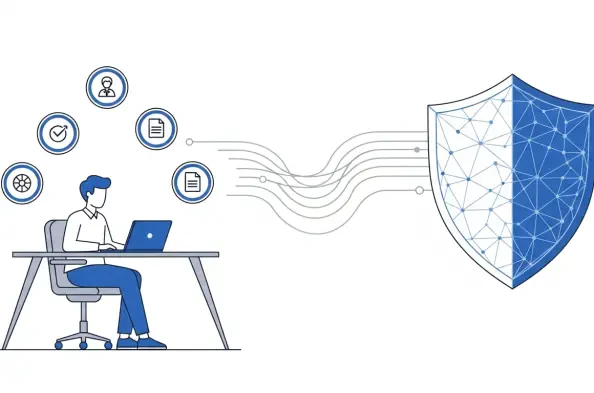
In a digital landscape where automated exploits and sophisticated social engineering tactics evolve at a breakneck pace, the traditional reliance on static compliance checklists has proven increasingly inadequate for modern enterprise defense. Security leaders now recognize that while frameworks like SOC2 or ISO 27001 provide a necessary