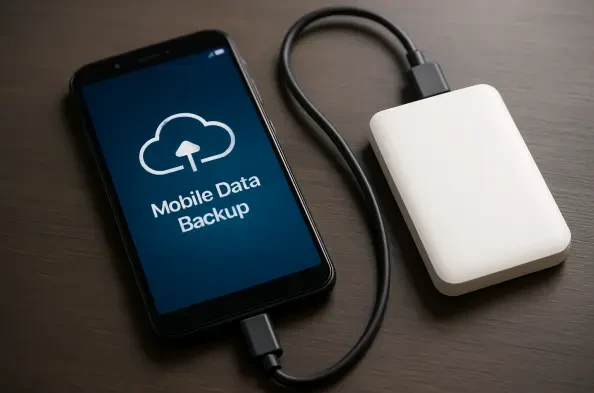
In the demanding world of on-the-go content creation, professionals like photographers and videographers constantly grapple with the precarious task of safeguarding their digital assets while in the field. The choice has traditionally been a frustrating compromise between the ephemeral convenience of cloud services, often hampered by slow or nonexistent internet, and the cumbersome nature of lugging around external hard drives or laptops for manual backups. A new category of device has emerged to address this critical gap, offering a self-contained, portable Network-Attached Storage (NAS) solution that promises the best of both worlds. The StationPC PocketCloud enters this space as a formidable contender, designed from the ground up to provide a localized, battery-powered data sanctuary for anyone who works, travels, or creates away from the stability of a home or office network. This device aims to fundamentally simplify mobile data workflows, moving beyond simple storage to offer an integrated and redundant backup strategy that fits in the palm of a hand.
Design and Core Functionality
Unleashing True Portability
The fundamental appeal of the PocketCloud is its profound commitment to untethered operation, a design philosophy that directly addresses the pain points of mobile professionals. Its compact form factor is engineered to integrate seamlessly into a camera or work bag, eliminating the bulk associated with traditional backup hardware. A key innovation is the inclusion of a robust internal battery, which provides approximately six hours of continuous operation, liberating users from the constant search for a power outlet in unpredictable field environments. This self-sufficiency is further enhanced by its ability to generate its own Wi-Fi 6 network. This feature is transformative, as it allows for high-speed, wireless file transfers from smartphones, tablets, and laptops without any reliance on external routers or internet access. The initial setup process has been streamlined to an impressive degree; users can connect to the device via a companion mobile app and initiate a “click-and-go” backup within minutes, a stark contrast to the often complex configuration required for conventional NAS systems.
The hardware design thoughtfully balances portability with versatile functionality, ensuring it can handle a variety of data ingestion scenarios encountered in the field. At its core, the device houses a single slot for an M.2 NVMe SSD, providing users with the flexibility to install their own high-speed storage with capacities reaching up to an immense 16TB. This allows for the secure storage of vast quantities of high-resolution photos, 4K video footage, and other large project files. Beyond its wireless capabilities, the PocketCloud is equipped with a suite of physical ports, including connections for USB devices and a dedicated SD card slot. This versatility is crucial for content creators, enabling them to offload media directly from memory cards or other external drives without needing a laptop as an intermediary. Further enhancing its field-readiness is a small onboard LCD screen paired with a tactile control knob, which allows for quick status checks on battery life, storage capacity, and transfer progress, as well as basic menu navigation, all without ever needing to open the companion app on a phone.
An Ecosystem for Data Redundancy
Beyond its function as a standalone portable drive, the PocketCloud introduces an intelligent, multi-layered ecosystem designed to ensure comprehensive data protection. This strategy is structured around a three-tiered approach to data redundancy. The first layer is the portable device itself, serving as the primary tool for immediate, on-location backups, securing files the moment they are created. The second layer is an optional home dock, an elegant solution that extends the device’s utility. This dock contains a second M.2 SSD slot; upon placing the PocketCloud onto the dock, it automatically initiates a sync, creating a complete, redundant copy of the field data onto the dock’s internal drive. This two-stage process ensures that data is protected both in the field and at a secure home base. The third layer provides an optional off-site backup by enabling synchronization with popular third-party cloud services like Google Drive or Dropbox, offering a final tier of protection against physical loss or local disasters, thus completing a robust and automated backup workflow.
Central to the PocketCloud’s user experience is an operating system built for simplicity and accessibility, a deliberate departure from the complex, feature-dense interfaces of traditional NAS solutions. The software is intuitive, making it approachable for users who are not network engineers or IT specialists. While this streamlined approach means it forgoes the extensive application libraries and advanced server capabilities found on more powerful systems, it excels at its core mission of providing fast and reliable backups. This focus on user-friendliness is complemented by a strong emphasis on data privacy. For users who are wary of their data traversing the internet, the device can be easily configured for LAN-only access. In this mode, the PocketCloud operates exclusively on the local network, ensuring that files are never exposed to the wider web. This feature provides peace of mind for professionals handling sensitive client data or individuals who simply prefer to maintain complete control over their digital footprint.
Performance in Practice and Market Positioning
Navigating Performance and Limitations
In practical use, the PocketCloud’s performance is appropriately tailored to its intended mobile use case, offering transfer speeds that are more than sufficient for on-the-fly backups of large media files. The integration of Wi-Fi 6 technology ensures a fast and stable wireless connection, minimizing the time creatives spend waiting for data to transfer from their cameras, drones, or laptops. However, it is essential to set realistic expectations; while its performance is impressive for a portable, battery-powered device, it does not aim to compete with the throughput of high-end, multi-bay stationary NAS systems that are typically hard-wired into a gigabit network. A significant consideration stemming from its compact, single-drive design is the absence of RAID-level redundancy on the portable unit itself. RAID configurations, which protect data by distributing it across multiple drives, are a staple of larger NAS systems but are not feasible in this form factor. This makes the second layer of the ecosystem—the home dock—a highly recommended, if not essential, component for users whose work is irreplaceable.
The streamlined nature of the device’s operating system, while a significant advantage for usability, also defines its primary limitations. The software is described as “rudimentary” when compared to the sophisticated operating systems of established NAS manufacturers. These larger systems often function as all-in-one home servers, boasting extensive application libraries that enable functionalities such as running a personal media server like Plex, hosting websites, or managing virtual machines. The PocketCloud, in contrast, is a specialized tool. It purposefully avoids this feature creep, focusing instead on executing its core function of data backup with exceptional reliability and ease of use. This deliberate design choice clearly positions the device not as a replacement for a comprehensive home or office server, but as a dedicated, purpose-built solution for securing data in environments where traditional solutions are impractical or impossible to deploy, reinforcing its identity as a master of a specific and critical trade.
User Acclaim and a Niche Redefined
Feedback from the professional community has been overwhelmingly positive, with many early adopters hailing the device as a genuine “game changer” for their mobile workflows. Content creators, in particular, have commended its ability to radically simplify the once-tedious process of in-field data management. The rapid, hassle-free setup and the swift Wi-Fi 6 transfer speeds are frequently cited as standout features that save valuable time on location, allowing for more focus on the creative process itself. The convenience of having a self-powered, network-creating backup device has resonated deeply with users who regularly work in remote areas or travel frequently, where reliable power and internet are never guaranteed. This strong user endorsement underscores the product’s success in accurately identifying and solving a persistent and widespread problem within the professional creative industry, validating its innovative approach to mobile data security.
Ultimately, the StationPC PocketCloud successfully carved out and defined a specific, previously underserved niche in the storage market. The analysis found no direct alternatives that offered the same blend of portability, battery-powered operation, self-contained networking, and a tiered backup ecosystem. While it was not positioned as a suitable replacement for a heavy-use NAS in a home or office setting, its value proposition for the intended audience was undeniable. For photographers, videographers, drone pilots, travelers, and remote workers who prioritize data security and efficiency on the move, the device stood out as a “no-brainer” investment. It effectively bridged the gap between insecure field practices and secure home storage, presenting a polished, reliable, and highly convenient solution that addressed the modern challenges of mobile data backup with impressive foresight and execution.