The two-decade-long corporate exodus to centralized hyperscale clouds, a movement that once defined digital transformation, has reached its definitive conclusion, giving way to a far more complex and strategic computational landscape. The relentless push to move every workload to massive, centralized data centers has been replaced by a nuanced reality where the cloud is not a destination but a ubiquitous and continuous fabric of compute. This analysis explores the pivotal market shift from cloud migration to intelligent orchestration, examining the key forces—artificial intelligence, evolving economic models, edge computing, and sustainability—that are weaving this new distributed ecosystem.
From Cloud-First Mandates to a Hybrid Reality
To understand where the computing market is headed, it is essential to recognize its recent history. For nearly twenty years, the dominant narrative was “cloud-first,” a strategic mandate to shed physical data centers in favor of the perceived agility and scalability of public clouds. The primary question for enterprise boards was not if but how fast they could migrate to platforms like AWS, Azure, and Google Cloud. Today, however, that initial migration wave has crested. The market has reached a point of maturity and saturation, shifting the strategic conversation from simple adoption to sophisticated optimization.
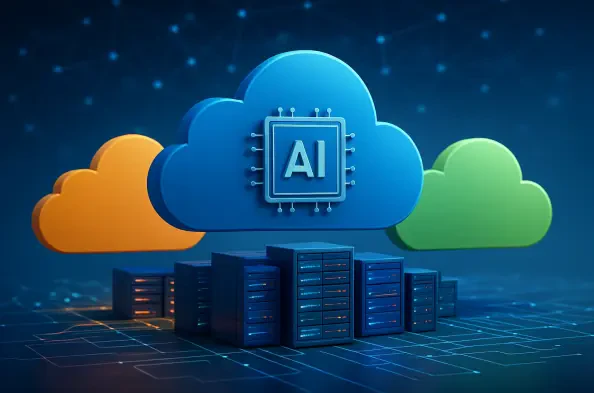
This maturation has cemented a “deliberate hybrid reality” as the standard operating model for nearly every organization. The new imperative is to be intentional about what runs where and why. Workloads are now strategically placed across multiple public clouds, private data centers, and other environments to meet specific requirements for performance, cost, security, and data sovereignty. Consequently, the cloud is no longer a singular destination but a foundational IT utility, a fabric upon which modern digital businesses are built. This shift marks the end of the migration era and the beginning of an era defined by intelligent workload orchestration.
The Tectonic Forces Reshaping the Compute Landscape
The Gravitational Pull of AI Reshaping Infrastructure Economics
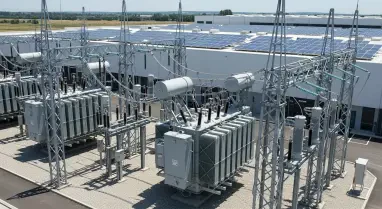
Artificial intelligence is the single most powerful force reshaping the economics and architecture of the compute market. AI workloads possess their own unique “gravity,” driven by their colossal scale, immense power demands, and sensitivity to data location. This gravity pulls data and compute resources closer together, fundamentally challenging the centralized cloud model that worked so well for general-purpose applications. In response, cloud providers are evolving from service vendors into highly specialized infrastructure engineers, designing their own custom GPUs, AI-specific chips, and advanced liquid cooling systems to handle the strain.
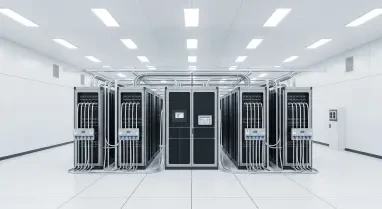
This trend is also being mirrored within enterprises, which are increasingly building their own private GPU clusters to maintain control over proprietary data, manage spiraling costs, and ensure performance for mission-critical AI models. This market dynamic is transforming compute from a simple commodity into a highly strategic asset. The traditional metrics of cloud value, such as cost per virtual machine, are being replaced by new currencies that dictate infrastructure strategy: power availability, physical proximity for low latency, and raw compute performance.
The New Economics of Compute From SaaS Fatigue to True Consumption
The predictable subscription-based model of Software-as-a-Service (SaaS), once a welcome alternative to capital-intensive licenses, is now a source of “SaaS fatigue” for many organizations. Escalating per-user fees, annual renewal cycles, and payments for underutilized features have led to bloated budgets and diminishing returns. A new economic paradigm, championed by AI services, is rapidly gaining traction: a pure consumption-based model. Here, costs are tied directly to actual usage—measured in units like per-inference, per-token, or per-API call—creating a transparent and direct link between cost and the value generated.
This approach aligns incentives for both providers and customers, fostering efficiency and innovation. While this model promises greater transparency, it demands a new level of financial governance. IT leaders must now master real-time visibility into variable spending, develop sophisticated predictive budgeting tools, and build procurement processes centered on measurable outcomes rather than static licenses. This represents a fundamental shift in how software and infrastructure are bought and managed, moving from long-term commitments to dynamic, value-driven consumption.
Extending the Fabric The Rise of Edge Computing and Micro-Clouds
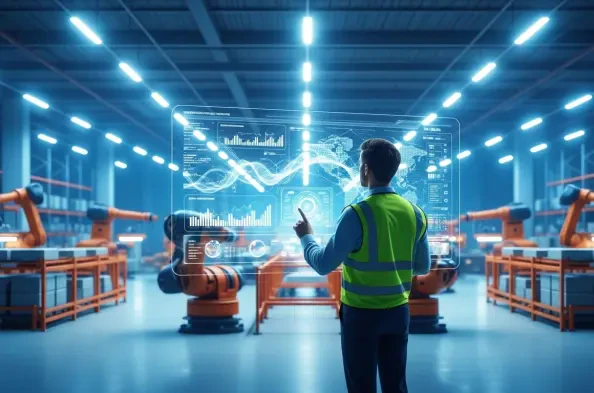
The computational fabric is stretching far beyond centralized data centers to the network’s edge. This decentralization is fueled by the convergence of the Internet of Things (IoT), real-time analytics, and AI, where the latency and bandwidth costs of sending massive data streams back to a distant hyperscale region are simply unworkable. Edge computing brings processing power closer to where data is generated and action is required—on factory floors, within retail stores, inside operating rooms, and atop telecom towers. This creates a significant new market for localized compute infrastructure.
Major telecommunications providers are investing heavily in creating distributed “micro-clouds” at the edge of their networks to power real-time applications. Enterprises are following suit, deploying their own localized compute to handle high-volume or sensitive workloads. These micro-clouds function as intelligent satellites connected to the broader cloud ecosystem, optimized for local speed, data sovereignty, and resilience. However, they also introduce significant new challenges in securing, managing, and governing a widely distributed asset portfolio, driving demand for new management and security solutions.
The Physical Limits of Intelligence How Sustainability Is Defining the Next Wave of Innovation
The explosive growth of AI has brought the physical and environmental limits of computing into sharp focus. The power consumption of data centers has surged, with energy usage for AI clusters now measured in megawatts rather than kilowatts. The significant water required for cooling and the overall carbon footprint of training large-scale models have become critical, board-level concerns. The environmental cost of intelligence is real, and it is fundamentally changing the definition of scalability and efficiency.
Consequently, the next wave of infrastructure innovation will be centered on sustainability. This includes the development of advanced cooling technologies, the integration of renewable microgrids, and the creation of intelligent workload scheduling software to minimize energy waste. Chief Sustainability Officers are now key partners for CIOs in making infrastructure decisions, and the success of a cloud strategy will increasingly be measured not just by uptime and cost, but by a new, critical metric: carbon per compute. This makes sustainability a key competitive differentiator in the infrastructure market.
Navigating the New Fabric A Strategic Playbook for the Modern CIO
This transformation from a centralized cloud to a distributed fabric of compute demanded a significant evolution in the role of the Chief Information Officer. The CIO’s function progressed from migration driver to cost and security manager, and now, to the strategic orchestrator of a complex, heterogeneous ecosystem. The modern CIO acted as a governor, expertly balancing five critical and often competing dimensions: economics, performance, security, sustainability, and innovation. Mastering this balancing act required deep collaboration across the enterprise—with finance, operations, sustainability, and product teams—to ensure every compute decision was directly aligned with and drove tangible business outcomes.
The Future Is a Constellation Embracing a Liberated Compute Ecosystem
The central takeaway was that cloud computing had not faded away but had decentralized into a single, continuous fabric that erased the old boundaries between public cloud, private data centers, and the edge. The future of IT infrastructure came to look less like a monolithic utility and more like a constellation of interconnected compute nodes, each optimized for a specific purpose. For business leaders, this new reality presented both immense complexity and unprecedented opportunity. The challenge was no longer a simple lift-and-shift migration but a sophisticated architectural design process. The ultimate goal became to build adaptable, intelligent systems that could place data, workloads, and AI models precisely where they generated the most value. The enterprises that mastered this flexibility and achieved a state of liberation to run, learn, and scale anywhere were the ones that defined the next era of digital leadership.