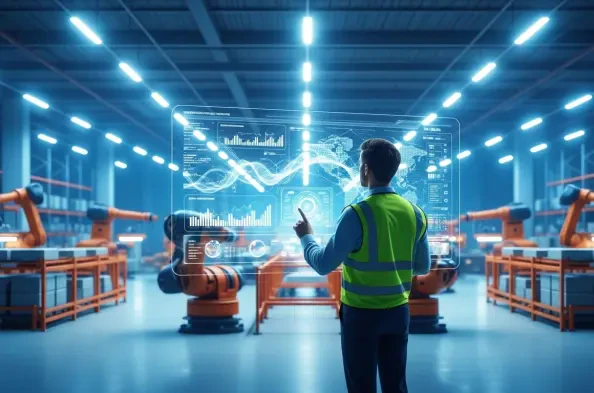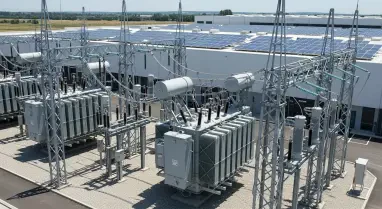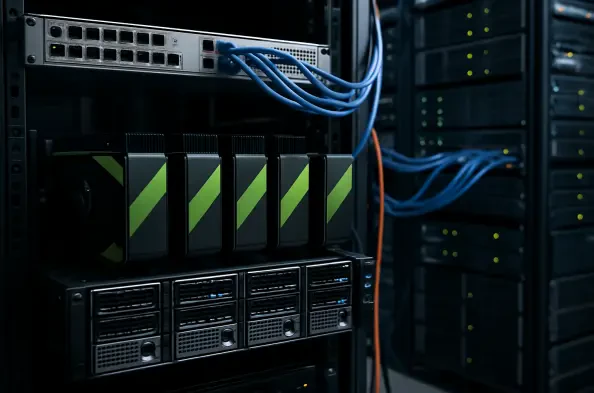
The global technology landscape is currently being reshaped by a tidal wave of capital, as an insatiable demand for artificial intelligence infrastructure fuels a monumental surge in IT spending. This trend is defined by a fascinating dual dynamic: on one side, cloud giants are engaged in an aggressive, multi-billion-dollar build-out, while on the other, enterprises navigate a more cautious path, balancing their commitment to AI with the pressing need for a return on investment. This analysis explores the data behind the boom, its real-world implications for businesses, and the future outlook for an industry at a critical inflection point.
The Hyperscaler Spending Surge
Data-Driven Expansion
The scale of investment from the world’s largest cloud service providers—Microsoft, Amazon, Google, Meta, and Oracle—is staggering. These hyperscalers are on track to increase their capital expenditures by nearly 40 percent this year, pushing their collective spending toward an almost unbelievable $600 billion. This aggressive expansion is not a new phenomenon but rather an acceleration of an existing trend, following a massive 68 percent year-over-year increase just last year, when spending hit $437 billion.
This unprecedented financial commitment is a direct response to the escalating compute demands of advanced AI models. By pouring capital into new data centers, custom silicon, and high-performance networking, these technology titans are building the foundational layer for the next generation of digital services. Consequently, this investment is expected to pay significant dividends, with hyperscalers poised to maintain robust cloud revenue growth of over 20 percent throughout the year, cementing their dominance in the market.
Ripple Effects Across the IT Sector
The spending habits of a few tech giants are creating powerful waves across the entire technology ecosystem. Expenditures related to artificial intelligence now account for nearly one-quarter of all IT spending, a category that is itself expanding by a healthy 9 percent globally. This shift demonstrates how AI has moved from a niche area of research and development to a primary driver of the global technology economy.
This AI-fueled boom is a major factor in the total global IT spend, which is now forecast to surpass the $6 trillion milestone this year. The growth is not only from backend infrastructure but also from the proliferation of AI-enabled devices that require constant connection to powerful cloud resources. Moreover, generative AI is directly influencing software development, with analysts noting that the integration of sophisticated AI features is inherently increasing the cost and complexity of business applications.
The Enterprise Dilemma Investing in an Uncertain Future
The ROI Lag
In contrast to the clear financial strategy of hyperscalers, the picture for enterprise customers is far more nuanced. Businesses across industries increased their IT budgets last year specifically to integrate AI features, which are now widely embedded in everyday business applications from CRMs to ERPs. Despite this widespread adoption and financial outlay, the tangible returns on these investments remain elusive.
Reports describe any “AI-related gains” as “still nascent,” suggesting a significant gap between technological implementation and measurable financial benefit. This observation is reinforced by broader industry studies, one of which found that nearly eight out of ten executives do not expect AI to become a significant contributor to enterprise revenue until 2030. This creates a long and uncertain horizon for businesses trying to justify their escalating technology budgets.
Unwavering Commitment to Adoption
Despite the delayed returns, the corporate world shows no signs of pulling back on its commitment to artificial intelligence. A recent survey revealed that a majority of executives plan to increase their AI investments further in the coming year, signaling a long-term strategic belief in the technology’s transformative potential. There is no indication of a widespread reduction in spending; in fact, the opposite appears to be true.
This commitment is deeply rooted in the practical, daily integration of these tools into corporate workflows. The same report found that over two-thirds of executives are already using AI on a daily basis, highlighting how deeply the technology has penetrated decision-making and operational processes. This unwavering adoption, however, creates a potential point of friction. Enterprise IT budgets could face significant pressure if tangible business results and productivity gains do not begin to materialize soon.
Expert Insights on the Investment Paradox
The primary engine of this entire cycle is what market analysts call the “insatiable” demand for AI infrastructure. This relentless need for more computing power, more data storage, and faster networks is what justifies the massive capital expenditures by hyperscalers. They are not just building for today’s needs but are betting on exponential growth in demand for years to come.
Simultaneously, experts caution that this innovation comes at a direct cost to enterprise customers. Generative AI is not merely an add-on; it fundamentally increases the cost of software, putting direct and upward pressure on corporate IT budgets. This creates a challenging paradox where the tools promising future efficiency are currently driving up immediate operational expenses.
This dynamic frames AI as a long-term strategic play rather than a source of quick profits for most organizations. The prevailing insight is that a significant gap exists between current investment levels and future profitability. For enterprises, the journey toward AI-driven revenue is more of a marathon than a sprint, requiring patience and a sustained strategic vision.
Future Outlook Navigating a New Economic Reality
Balancing Ambition and Profitability
The coming years will be a period of reckoning for many businesses. The primary challenge will shift from technological adoption to value realization, as enterprises will be under immense pressure to translate their substantial AI investments into measurable business outcomes, such as increased revenue, improved margins, or significant productivity gains.
If this return on investment remains elusive, companies may face difficult decisions regarding their technology budgets. A failure to demonstrate value could lead to a tightening of spending, creating potential headwinds in the market that could temper the current explosive growth trend. The enthusiasm for AI is high, but it is not immune to the realities of corporate financial discipline.
Even with potential enterprise budget constraints, the underlying demand for infrastructure is unlikely to wane. The continued proliferation of AI-enabled devices and services will keep fueling the need for robust backend systems. This ensures that infrastructure spending will remain a critical and highly active focus area for the technology sector, regardless of short-term enterprise budget cycles.
Broader Implications and Long-Term Trajectory
This period marked a foundational shift in corporate strategy, where AI infrastructure transitioned from a specialized, optional investment into a fundamental, non-negotiable component of modern business. It has become as essential as electricity or internet connectivity for companies aiming to compete and innovate in a rapidly evolving digital marketplace.
However, the significant disconnect between massive infrastructure spending and delayed enterprise returns has raised valid questions about market sustainability. A potential bubble could form if the promised profitability timelines are not met, leading to a correction in investment and valuations. The industry’s trajectory hinges on closing this gap between potential and performance.
The future holds two divergent possibilities. In the best-case scenario, the delayed ROI will materialize, unlocking a global productivity boom as businesses harness AI to its full potential. Conversely, the worst-case scenario involves widespread budget cuts, project cancellations, and a loss of confidence if the promised value fails to arrive in a timely manner.
Conclusion The Inevitable AI-Powered Future
The AI infrastructure market was defined by a powerful dual dynamic: explosive, multi-billion-dollar spending by cloud providers building the future, and a more cautious yet committed investment approach from enterprises struggling with a delayed return on that future. This trend signaled a fundamental reordering of the global economy, where AI infrastructure became as critical as traditional utilities for business operations and innovation. While the path to widespread profitability remained uncertain, the immense scale of investment guaranteed that artificial intelligence would be deeply woven into the fabric of commerce. The critical task for all stakeholders now lies in bridging the gap between breathtaking technological capability and tangible, sustainable business value.