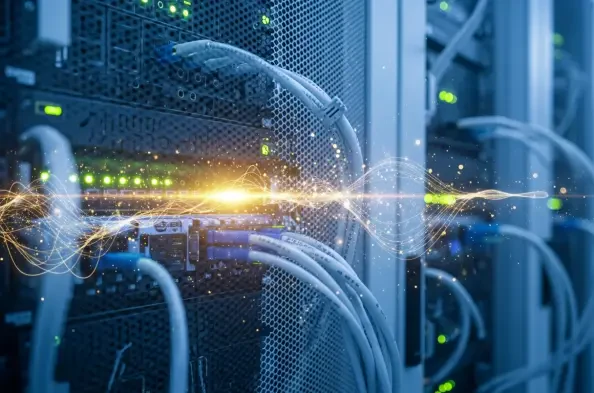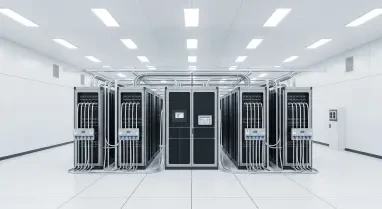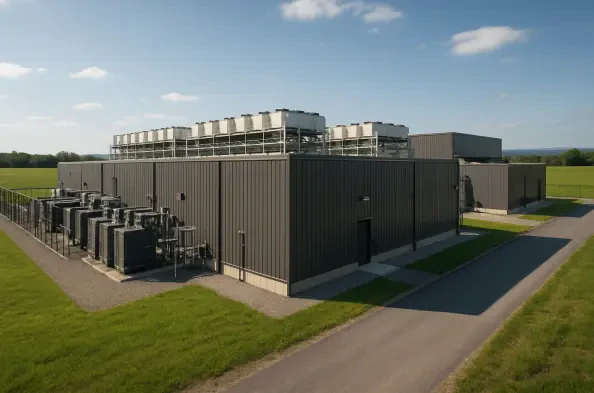
The meteoric rise of artificial intelligence is often discussed in terms of algorithms and processing power, yet its very foundation rests on a physical, tangible network of data centers connected by vast webs of fiber optic cables. A landmark multiyear agreement between Corning Inc. and Meta Platforms has cast a brilliant spotlight on this critical infrastructure, revealing the immense physical demands of the AI revolution and triggering significant shifts in market sentiment. The deal, which could funnel as much as $6 billion in revenue to Corning by the end of the decade, involves the supply of advanced fiber, cable, and connectivity solutions to support Meta’s rapidly expanding network of U.S. data centers. These facilities are being built specifically to handle the colossal workloads generated by generative AI and machine learning, underscoring a fundamental truth: the future of digital intelligence is inextricably linked to the strength of its physical backbone. This partnership not only validates Corning’s leadership in optical communications but also serves as a bellwether for the escalating infrastructure race among technology giants.
A Strategic Partnership Forged by AI
The core of this transformative agreement addresses Meta’s urgent need for a robust, high-speed, and domestically sourced network to power its ambitious AI initiatives. As Meta constructs a new generation of data centers across the United States, the demand for high-bandwidth, low-latency connectivity has become paramount. Corning will supply the essential components—advanced fiber optics and cables—designed to transmit massive datasets with minimal delay, a non-negotiable requirement for training and deploying complex AI models. This partnership provides Meta with a reliable supply chain for critical infrastructure components, mitigating geopolitical risks and ensuring the consistent build-out of its computational capacity. For Meta, securing a long-term supply from a U.S.-based leader like Corning is a strategic move to fortify its infrastructure against future disruptions while ensuring it can keep pace with the exponential growth in data processing that AI demands. The deal solidifies the foundation upon which Meta plans to build its next-generation services and platforms.
In response to securing Meta as an anchor customer for this massive undertaking, Corning is set to embark on a significant expansion of its manufacturing capabilities, particularly at its optical cable facility in Hickory, North Carolina. This strategic investment will not only increase production capacity to meet Meta’s extensive needs but also stimulate regional economic growth through the creation of new jobs, with employment at the involved facilities projected to increase by 15 to 20 percent. This deal provides Corning with exceptional long-term revenue visibility, a stabilizing force that helps counteract recent softness in demand from its traditional telecommunications clients. By aligning itself so closely with the AI boom, Corning has cemented its position as a primary beneficiary of the data-driven economy. The agreement is a powerful affirmation of the company’s technological prowess and its indispensable role in building the physical infrastructure that will underpin the next era of technological innovation.
Market Reactions and Economic Ripple Effects
The announcement of the supply agreement sent divergent ripples through the stock market, reflecting investors’ differing perspectives on the capital-intensive nature of AI infrastructure. For Corning, the news was met with resounding optimism. The company’s stock surged to a multi-year high as investors recognized the deal as a powerful endorsement of its market leadership and a guarantee of a substantial, long-term revenue stream. Wall Street analysts quickly echoed this positive sentiment, with several prominent firms raising their price targets for Corning. The consensus was clear: the partnership with Meta de-risks Corning’s future outlook and positions it perfectly to capitalize on the insatiable demand for connectivity driven by the AI sector. The market’s enthusiastic response highlights a growing recognition that the companies providing the fundamental building blocks of the digital world are poised for significant growth.
In stark contrast, Meta Platforms’ shares experienced a slight dip following the announcement, illustrating investor apprehension about the escalating costs associated with building out a world-class AI infrastructure. While the strategic necessity of the investment is undisputed, the sheer scale of the capital expenditure gave some shareholders pause. This reaction underscores a central tension in the current tech landscape: the race for AI dominance requires massive, front-loaded investments in physical assets, which can weigh on short-term profitability. Investors are carefully balancing the long-term strategic advantage Meta gains from a secure, high-performance network against the immediate financial impact of such a large-scale commitment. The divided market reaction vividly captured the two sides of the AI infrastructure coin—the immense opportunity for suppliers like Corning and the formidable cost for the tech giants building the future.
The Physical Foundation of a Digital Future
This landmark agreement underscored the often-overlooked reality that the AI revolution is as much about physical engineering as it is about software code. The partnership between Corning and Meta served as a powerful reminder that progress in artificial intelligence is fundamentally tethered to advancements in the underlying communications infrastructure. The deal not only highlighted the immense scale of the data center build-out required to support generative AI but also cemented the critical role of specialized suppliers in this technological arms race. The market’s reaction provided a clear verdict on the strategic value of this physical layer, rewarding the provider of essential components while cautiously evaluating the massive capital outlay required by the AI developer. In the end, this collaboration marked a pivotal moment, illustrating how the digital and physical worlds have become inextricably linked in the pursuit of next-generation computing.