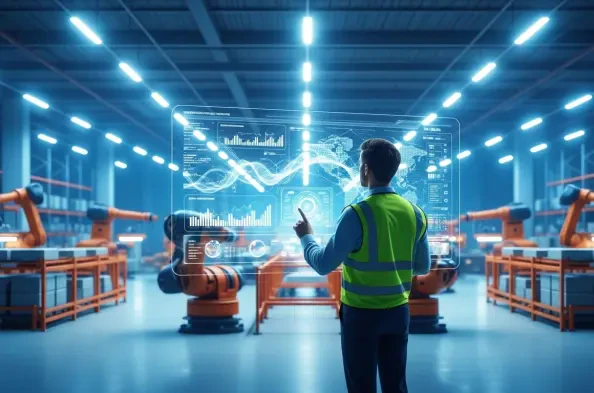
The traditional grocery landscape is undergoing a radical metamorphosis as data-driven intelligence shifts from a supportive function to the primary engine of corporate strategy. Kroger has taken a definitive step toward this future by establishing the new role of Chief Data and AI Officer, a move that signals a comprehensive pivot toward a technology-first business model. By elevating Milen Mahadevan to this inaugural position, the company is centralizing its vast data assets and computational power to navigate an increasingly complex and competitive retail environment. This strategic realignment reflects a broader consensus within the sector that artificial intelligence is no longer a peripheral tool but a foundational necessity for achieving operational efficiency and high-level personalization. The appointment represents more than a title change; it is a structural commitment to integrating advanced digital capabilities across the entire enterprise, ensuring that data-driven insights influence every decision from the warehouse to the checkout lane. By formalizing this leadership, the organization aims to harness the full potential of its historical information to create a more resilient and predictive retail ecosystem.
Integrating Advanced Analytics into the Executive Core
Mahadevan brings a specialized pedigree to the newly created role, having previously served as the President and CEO of 84.51°, the retailer’s renowned data science and analytics subsidiary. In his expanded capacity, he will report directly to the Executive Vice President and Chief Digital and Technology Officer, Yael Cosset, ensuring that data initiatives are closely aligned with broader technological goals. Interestingly, Mahadevan will maintain his leadership at 84.51° while simultaneously overseeing the broader data and AI platforms, a dual-leadership structure intended to bridge the gap between abstract science and practical application. This arrangement allows the organization to leverage the deep consumer insights generated by 84.51° and apply them directly to the larger corporate infrastructure. By placing these diverse teams under a single executive umbrella, the company aims to accelerate the deployment of advanced technologies across its entire ecosystem, creating a more cohesive and responsive digital framework that can adapt to rapid changes in consumer behavior and market dynamics.
Centralizing data leadership is a direct response to the historical challenge of departmental silos that often hinder the rapid scaling of innovation within large corporations. Previously, data science, customer technology, and AI research may have operated with overlapping goals but distinct methodologies, leading to inefficiencies and missed opportunities for synergy. The new organizational structure is specifically designed to eliminate these barriers, fostering a unified environment where cross-functional teams can collaborate on high-impact projects. This integration is vital for developing sophisticated tools that require input from multiple sectors of the business, such as supply chain logistics and digital marketing. By streamlining the path from data collection to executive action, the grocer is positioning itself to be more agile in a market where speed and accuracy are paramount. This move ensures that the massive amounts of information gathered from millions of daily transactions are translated into actionable strategies that drive both internal productivity and external growth.
Redefining Shopping Through Agentic Artificial Intelligence
A cornerstone of this new technological era is the implementation of agentic AI, a concept that moves beyond traditional predictive algorithms that merely suggest products based on past purchases. Unlike standard recommendation engines, agentic AI functions as an autonomous or semi-autonomous assistant capable of taking proactive steps to simplify the shopping experience. For example, instead of a customer manually searching for items to complete a recipe, an AI agent could automatically build a shopping basket based on a weekly meal plan while considering existing pantry inventory. This shift toward “consumer productivity” is designed to reduce the cognitive load associated with grocery shopping, making the digital platform an indispensable tool rather than just a transaction portal. By focusing on these advanced capabilities, the retailer aims to transform the digital interface into a personalized concierge that understands the nuances of individual household needs, from dietary restrictions to flavor preferences, thereby fostering a much deeper level of customer loyalty.
Beyond providing convenience, these intelligent agents are being tasked with the critical role of helping consumers manage their household budgets in real-time, a feature that addresses a significant pain point for many families. By integrating financial tracking directly into the shopping process, the AI can offer suggestions for lower-cost alternatives or alert the user when their basket exceeds a pre-defined spending limit. This focus on the shopper’s financial health is a strategic move to position the brand as a partner in the consumer’s lifestyle, helping them achieve nutritional goals without sacrificing financial stability. The goal is to create a digital environment where the technology works on behalf of the user, searching for the best deals and optimizing the value of every dollar spent. This approach not only enhances the perceived value of the brand but also provides a wealth of data on consumer behavior and price sensitivity, which can be used to further refine pricing strategies and promotional offers, creating a virtuous cycle of improvement.
Operational Excellence and the Competitive Retail Landscape
The mandate for the new executive leadership extends deep into the physical infrastructure of the business, where AI and automation are being used to revolutionize supply chain management and store operations. A notable example of this integration is the deployment of “Tally,” an autonomous aisle-scanning robot designed to monitor inventory levels with a degree of precision that human staff cannot maintain consistently. By ensuring shelf accuracy and identifying out-of-stock items in real-time, these technological solutions help mitigate losses and ensure that digital orders are fulfilled with high accuracy. This focus on backend efficiency is part of a broader capital investment plan that emphasizes both digital advancement and physical store remodels to keep the retail environment modern and productive. The integration of AI into these processes allows for more accurate demand forecasting, reducing waste in the fresh food departments and optimizing the flow of goods from distribution centers to the storefront, which ultimately supports a more sustainable and profitable model.
This aggressive technological surge occurs within the context of an industry-wide “arms race” where major competitors are making multi-billion dollar investments in similar capabilities. While some rivals are forging deep partnerships with external tech giants to facilitate their digital transformations, Kroger is uniquely leveraging its internal powerhouse, 84.51°, to maintain proprietary control over its data and algorithms. This internal focus is a significant competitive advantage, as it allows the company to develop customized solutions that are specifically tailored to its unique operational needs and customer base. The leadership transition, including the appointment of Greg Foran as CEO, further solidifies this direction by combining veteran retail experience with cutting-edge data science. By maintaining ownership of its technological stack, the company can innovate faster and more securely than those relying on third-party platforms. This self-reliant strategy ensures that the company remains at the forefront of the industry, ready to deploy the next generation of retail tools as soon as they are developed.
Future Strategic Implications for the Grocery Industry
The successful integration of a Chief Data and AI Officer provided a clear roadmap for how traditional retailers can evolve into technology-centric enterprises without losing their core identity. Leaders in the space recognized that the transition required more than just purchasing software; it demanded a fundamental shift in corporate culture and organizational design. The focus moved toward creating actionable insights that served the dual purpose of enhancing the customer experience and streamlining internal workflows. Industry analysts noted that the move to centralize AI leadership allowed for a more disciplined approach to capital allocation, ensuring that investments were directed toward projects with the highest potential for long-term value creation. By prioritizing the development of proprietary AI agents, the company set a new standard for how retailers interact with their digital audience, moving from passive service providers to active life-management partners. This shift underscored the importance of data sovereignty in an era where information is the most valuable currency.
Moving forward, the industry must consider the ethical and practical implications of deploying autonomous AI agents at scale, particularly regarding data privacy and the transparency of algorithmic decision-making. Future initiatives should focus on building trust with consumers by providing clear value in exchange for their information, such as enhanced budget management tools and highly relevant product discoveries. Organizations would be wise to follow this model of internal development, fostering specialized data science teams that understand the specific nuances of the retail sector. The integration of robotics and AI into the physical storefront should continue to prioritize the human element, using technology to free up employees for more meaningful customer interactions. As the market continues to consolidate, the ability to rapidly iterate on digital tools while maintaining operational excellence will define the winners in the grocery sector. Ultimately, the blueprint established by this executive appointment serves as a vital lesson in strategic modernization for any large-scale enterprise facing digital disruption.