
Data Security

Forcing a system into Safe Mode creates a significant monitoring blind spot, as most endpoint detection agents fail to initialize, leaving the attacker in control without oversight. This tactical evolution represents a departure from traditional "EDR-killer" drivers, which often trigger immediate alerts when they attempt to terminate security

Software alone cannot compensate for risky user behavior, such as manually overriding security blocks to install unverified files or entering credentials on phishing websites. The landscape of personal computer security has undergone a radical transformation over the last two decades. As we move further into the era of Windows 11, the prevailing
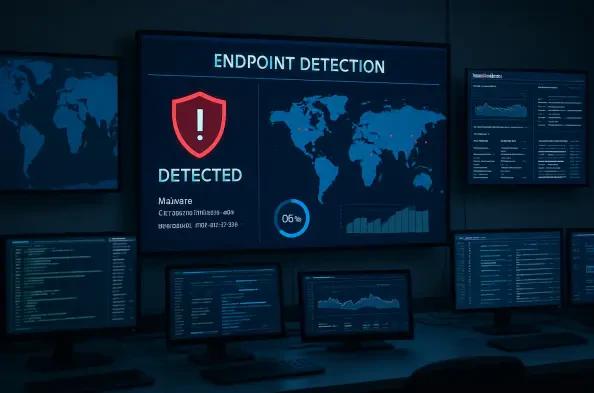
Security teams evaluating endpoint detection and response platforms now weigh vendor reliability as heavily as detection scores following the catastrophic 2024 CrowdStrike outage that impacted 8.5 million devices. This pivotal moment forced a fundamental reassessment of what it means to be secure, as organizations realized that a security tool

Microsoft Defender has transformed from a basic secondary security layer into a formidable primary defense mechanism that utilizes cloud-based detection and behavioral monitoring to protect Windows users. This shift in the digital landscape reflects a reality where the volume and sophistication of cyber threats have scaled exponentially, making

The recent identification of a maximum-severity vulnerability in SAP Commerce Cloud, designated as CVE-2026-58231, has introduced a critical risk environment where unauthenticated attackers can execute code remotely without any user interaction. This discovery has sent ripples through the global e-commerce sector, as businesses increasingly rely

The sudden realization that a global consulting titan like Ernst & Young has suffered a significant data exposure sends ripples of anxiety through the international business community and individual tax clients alike. Because these Big Four firms handle everything from sensitive corporate audits to personal wealth management data, they represent