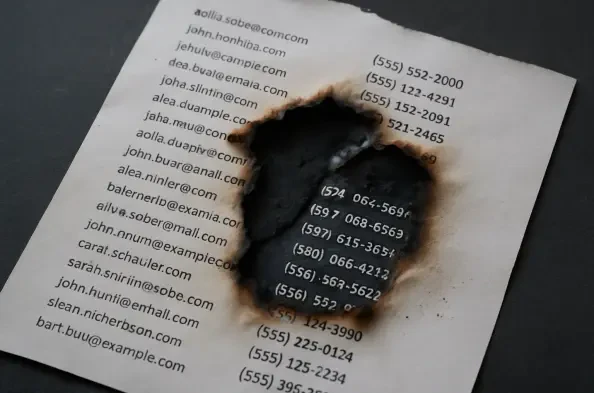
The simple act of subscribing to a newsletter has become a cornerstone of modern content consumption, but it now comes with a critical question about the security of the personal information traded for access to creators. Substack, a dominant force in the independent publishing world, recently confirmed a significant data breach, shaking the foundation of trust between its millions of users and the writers they follow. The incident, which exposed user emails and phone numbers, serves as a stark reminder of the digital vulnerabilities inherent in the creator economy.
Beyond the Inbox When a Newsletter Leaks Data
How secure is the data you provide to your favorite online platforms? This question looms large following the Substack incident. The platform, which boasts over 50 million active subscriptions, operates on an intimate model of trust where subscribers directly support creators. This breach damages that relationship, extending beyond a simple technical failure to become a violation of the implicit pact that personal information will be safeguarded in exchange for content.
The scale of the platform amplifies the potential impact of such a leak. For millions, a Substack subscription is more than just an email—it is a direct line to trusted voices. When that line is compromised, the fallout affects not just individual privacy but also the perceived safety of the entire ecosystem, raising concerns for both readers and the writers who have built their careers on the platform’s promise of a secure, direct connection.
A Trust Deficit in the Creator Economy
Substack’s rise has been emblematic of the newsletter boom, empowering independent journalists and writers to build their own audiences. However, this breach connects the platform to the much broader and more troubling trend of frequent corporate data leaks. It highlights a growing trust deficit where users are increasingly wary of how their digital footprint is managed and protected by the services they use daily.
This incident is significant because it blurs the line between passive content consumption and active personal risk. What was once a simple transaction—an email for a newsletter—is now fraught with security implications. For the average user, the breach is a tangible example of how their digital life, from their inbox to their phone, is interconnected and vulnerable, forcing a reevaluation of the data they are willing to share.
Deconstructing the Breach What Was Taken and When
The core of the incident involved an unauthorized third party gaining access to Substack’s internal systems. According to a notification from CEO Chris Best, the compromised data includes user email addresses, phone numbers, and other unspecified internal metadata. The company was quick to assure users that more sensitive information, such as passwords and financial details like credit card numbers, was not accessed during the infiltration.
A more concerning aspect of the breach is its timeline, which reveals a significant delay in detection. The data exfiltration occurred in October 2025, yet the company’s security team did not discover the unauthorized activity until February 3, 2026, four months later. Users were then notified two days later, on February 5. This extended “dwell time” raises serious questions about the robustness of Substack’s security monitoring protocols. In response, the company stated it has patched the vulnerability and launched a full investigation.
Expert Analysis Vague Disclosures and Hidden Dangers
Security experts have been critical of the company’s communication, particularly its use of vague language. Javvad Malik, a security advocate at KnowBe4, pointed out that describing the exposed information as “limited user data” is misleading and downplays the potential harm. Experts also noted the concerning lack of transparency regarding the total number of users affected by the breach.
The true danger lies in what cybercriminals can do with “just” an email address and a phone number. Security analysts warn that this combination is a potent tool for launching sophisticated cyberattacks. These include highly targeted and convincing phishing campaigns designed to steal login credentials or financial information, SIM-swap attacks that can lead to complete account takeovers, and the potential for doxxing and personal harassment.
A Digital Defense Plan for Affected Users
In the wake of the breach, privacy advocates have urged affected users to adopt a heightened state of vigilance. Chris Hauk and Paul Bischoff, both prominent privacy experts, advise scrutinizing all unexpected communications. This means treating unsolicited emails, text messages, and phone calls with extreme caution and, most importantly, avoiding clicking on any links or downloading attachments from unverified sources.
For long-term protection, the consensus recommendation is to strengthen personal security habits. Enabling multi-factor authentication (MFA) on all critical online accounts, especially email and banking services linked to the compromised contact information, is a crucial first step. Users should also review the security settings on their accounts and update any recovery information to ensure that a compromised email or phone number cannot be used to gain access to other sensitive platforms.