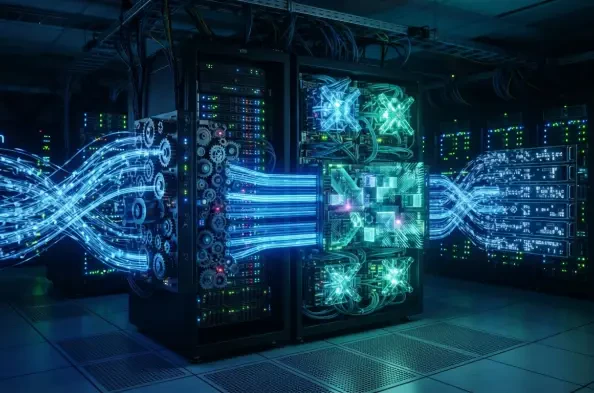
Building a personalized digital infrastructure eliminates the human error often associated with remembering to manually plug in a drive for routine backups. In the current landscape of 2026, the volume of high-resolution media and critical documents generated by average users has reached unprecedented levels, rendering traditional portable storage solutions increasingly obsolete. While a small USB drive might have sufficed for a few photo albums a few years ago, today’s digital life demands a more cohesive and reliable strategy. Many users find themselves trapped in a cycle of purchasing one external drive after another, resulting in a disorganized collection of hardware that lacks a unified interface. This fragmentation creates a significant barrier to efficient data management and increases the likelihood of losing important files due to physical damage or misplacement. A transition to a network-based architecture offers a way to consolidate these disparate assets into a single environment.
The Evolution of Centralized Data Storage
The Inherent Risks of Portable Media
The reliance on a drawer full of drives introduces a level of operational friction that most modern workflows cannot tolerate. When data is scattered across several different portable devices, the simple act of locating a specific document becomes a frustrating hunt through multiple hardware connections. Furthermore, the physical architecture of portable drives is inherently fragile; they are built for mobility, not necessarily for the rigorous demands of long-term archival stability. A single fall from a desk or a sudden power surge during a transfer can result in the total loss of irreplaceable memories or business records. Unlike robust enterprise-grade hardware, these consumer-grade drives often lack the sophisticated error-correction features found in professional systems. Consequently, maintaining a massive library on such disjointed hardware is equivalent to building a house on a shifting foundation, where the risk of failure increases with every new file added to the collection.
Leveraging the Power of Private Clouds
Transitioning to a Network Attached Storage system provides a proactive solution to these logistical and physical vulnerabilities. A NAS operates as an always-on gateway to digital assets, effectively functioning as a localized private cloud that bypasses the limitations of a physical cable. By integrating directly with a high-speed router, the storage pool becomes a shared resource for every device within the network, including smart televisions, mobile phones, and laptops. This centralized approach ensures that all data is indexed and searchable from a single dashboard, removing the need to swap cables or remember which drive contains which folder. Moreover, because the hardware remains stationary and is often housed in a protective chassis, the risk of physical trauma is drastically reduced. This setup allows for a more fluid interaction with data, where the storage medium disappears into the background, providing reliable access without the constant manual management.
Technical Resilience and Automation
Reclaiming Privacy From Subscription Services
Modern storage servers have evolved into multi-functional platforms that can effectively replace costly monthly subscriptions to major cloud providers. By hosting applications like Plex or specialized photo management software, a user can curate a personal streaming service or a private gallery that rivals the features of professional tech giants. This shift is particularly relevant in 2026, as subscription fatigue has led many to seek more permanent and private alternatives for their media libraries. A NAS allows for the automated synchronization of mobile device photos over Wi-Fi the moment a user walks through their front door, ensuring that every captured memory is protected without any conscious effort. This level of automation extends to computer backups, where incremental changes are mirrored to the server in real-time. By removing the necessity for user intervention, the system guarantees that the backup process is consistent and thorough for everyone.
Advanced Safeguards Against Data Degradation
Technical superiority is also found in the advanced data protection protocols inherent to NAS operating systems, such as the implementation of RAID. This redundant array technology ensures that data is striped across multiple physical disks, allowing the system to withstand the complete failure of one or more drives without any actual data loss. While a standalone external drive represents a single point of failure, a configured NAS offers a self-healing environment where a faulty disk can be replaced with zero downtime for the data itself. Furthermore, professional-grade file systems like ZFS or Btrfs provide ongoing protection against bit rot, a phenomenon where silent data corruption occurs over long periods of time. These systems perform regular scrubbing operations to verify the integrity of every block of data, correcting errors automatically. This rigorous approach to safety ensures that files remains readable for decades, offering a degree of archival permanence.
Strategic Implementation for Long-Term Storage
Evaluating Hardware Strategies for Longevity
When embarking on the transition to centralized storage, the choice between a retail unit and a custom-built machine depends largely on the technical comfort of the user. Pre-built systems from industry leaders like Synology or Ugreen are designed as sleek, energy-efficient appliances that prioritize a seamless user experience. These units arrive with proprietary operating systems that are incredibly intuitive, featuring app-store-like interfaces that make complex tasks—such as setting up a VPN or a web server—accessible to those without a background in IT. These manufacturers also provide regular security updates and hardware warranties, which are crucial for users who view their storage as a mission-critical utility. Although these turnkey solutions often carry a higher initial price tag, the value of the integrated software ecosystem and the time saved during the setup phase often justifies the investment for professionals who want a reliable storage solution.
Custom Server Builds and Hardware Rebirth
For users who prefer a more hands-on approach, building a custom NAS from individual components or repurposed hardware offers unparalleled flexibility and cost efficiency. This method allows for the selection of specific cases with numerous drive bays, high-performance network cards, and specific processors tailored to the expected workload. Repurposing an older desktop or a laptop from the early 2026 cycle can be an environmentally conscious way to create a powerful server at a fraction of the retail cost. Open-source operating systems like TrueNAS or Unraid provide professional-level features and a high degree of customization, allowing enthusiasts to scale their storage pool as their needs grow over time. This DIY route encourages a deeper understanding of the infrastructure, making it easier to troubleshoot and upgrade individual parts. By treating the NAS as a modular system, users can ensure that their digital warehouse remains capable without needing a complete hardware replacement.
Future Foundations for Personal Infrastructures
The decision to migrate from disconnected external drives to a centralized storage network marked a significant turning point in personal data management strategy. It successfully addressed the persistent challenges of data fragmentation and physical vulnerability that had plagued digital workflows for years. By implementing a NAS, users were able to establish a secure, automated, and scalable environment that functioned as a private cloud, free from the constraints of third-party subscriptions. This transition facilitated a more organized approach to digital preservation, where redundancy and integrity checks became standard features. Those who made the switch found that the initial investment in hardware was quickly offset by the peace of mind and operational efficiency gained. As data volumes continued to expand, the value of a robust home-based server became increasingly clear, providing a future-proof foundation for managing the vast digital lives of the modern era.
WordsCharactersReading time