The unprecedented scale of modern artificial intelligence deployment has effectively transformed the global data center into a hyper-connected, multi-tenant environment where the boundaries between disparate workloads are increasingly blurred. In this high-stakes landscape, organizations are frequently processing proprietary algorithms and massive datasets on shared infrastructure that they do not physically control, leading to a profound security paradox. While traditional security frameworks have mastered protecting data at rest and data in transit, the phase where data is actually being processed has historically been a significant blind spot for many. To mitigate the risk of sophisticated memory-scraping malware or rogue administrative access, the industry is pivoting toward a paradigm where the hardware itself acts as the ultimate guarantor of privacy. This transition marks a fundamental shift away from relying on software-based perimeters and toward a model where security is anchored in the silicon, ensuring that sensitive information remains shielded even from the underlying operating system. By establishing these rigid boundaries, providers are able to offer the performance of the public cloud with the privacy typically reserved for air-gapped, on-premises systems.
The Silicon Foundation: Mechanics of Hardware Isolation
Defining Enclaves: The CPU’s Evolving Role in Security
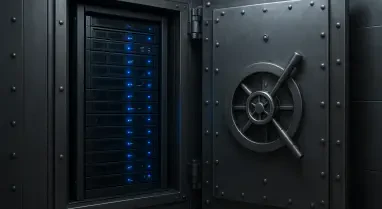
Confidential computing introduces a transformative approach to data security by leveraging hardware-based Trusted Execution Environments to create isolated memory regions known as enclaves. These enclaves serve as secure vaults where sensitive data and code can be processed without exposure to the host system or other tenants sharing the same physical hardware resources. By using cryptographic keys embedded directly within the processor, the system ensures that the contents of the enclave are encrypted at all times while residing in the system’s main memory. This mechanism effectively reduces the trusted computing base to just the hardware and the specific application code being executed, bypassing the need to trust the hypervisor or the operating system entirely. Consequently, even if a high-privileged attacker gains full control over the server’s software stack, they would find the data inside the enclave to be nothing more than an indecipherable stream of encrypted bits, thereby maintaining the confidentiality of the workload.
The role of the Central Processing Unit has expanded from a general-purpose calculator to the primary arbiter of cryptographic trust within the modern cloud-native ecosystem. Major silicon manufacturers have developed sophisticated extensions such as Intel Software Guard Extensions and AMD Secure Encrypted Virtualization to facilitate these hardware-level protections at scale across various cloud environments. While Intel’s approach allows for granular, process-level isolation that can protect specific portions of an application’s code, AMD’s focus on full virtual machine encryption provides a broader shield against hypervisor-level vulnerabilities. These technologies ensure that every memory access request is vetted by a dedicated security processor that resides within the CPU package, preventing unauthorized reads or modifications during runtime. As the industry navigates the 2026 through 2028 landscape, these CPU-centric protections are becoming foundational requirements for any enterprise looking to deploy sensitive machine learning models without sacrificing their property.
AI Acceleration: Protecting Workloads and Heterogeneous Links
While CPU-level protections are essential, the vast majority of computational power required for modern generative artificial intelligence and large language models is provided by specialized Graphics Processing Units. In previous years, moving data from a secure CPU enclave to a high-performance GPU often meant leaving the protection of the Trusted Execution Environment, creating a massive vulnerability in the AI pipeline. However, the latest generations of hardware, including the NVIDIA Hopper and Blackwell architectures, have introduced native support for confidential computing directly on the GPU itself. This allows for the creation of an end-to-end encrypted channel where massive tensors and model weights are processed in an isolated environment that mirrors the security of the CPU. By extending these hardware protections to the accelerator, organizations can now perform high-speed training and inference on sensitive datasets without the fear that their data might be intercepted while it is being crunched by thousands of parallel processing cores.
The integration of heterogeneous components like CPUs and GPUs into a single, unified trust boundary presents a complex engineering challenge that requires the use of specialized interconnect protocols. Because data must travel across high-speed buses like PCIe or NVLink, the system must establish a secure link that encrypts the data as it moves between different pieces of silicon. This involves a rigorous mutual authentication process where each processor verifies the identity and integrity of the other before any sensitive information is exchanged across the interface. Secure buffers and specialized memory controllers are employed to ensure that plaintext data never exists on the physical bus, protecting against physical tampering or interposer attacks. This holistic approach to hardware integration ensures that the entire computational path is secured, allowing for the deployment of complex, multi-processor AI workloads that were previously deemed too risky for shared cloud environments. This seamless protection is vital for the continued growth of collaborative AI development.
Ensuring Trust: Verification and Infrastructure Governance
Remote Attestation: Mitigating Side Channels and Vulnerabilities
At the heart of the confidential computing framework lies the process of remote attestation, which serves as a cryptographic handshake that verifies the integrity of the hardware before any data is processed. This mechanism allows a data owner to request a signed report from the remote server that provides an immutable snapshot of the system’s current state, including its firmware versions and the specific code loaded into the enclave. By comparing this measurement against a known golden image, the user can confirm that the environment has not been tampered with and that it is running on genuine, certified silicon from the manufacturer. This process eliminates the need for blind trust in the cloud provider, as the cryptographic proof is generated by the hardware itself and is tied to a unique secret key fused into the chip at the factory. Without a successful attestation, the data owner can refuse to release the decryption keys, ensuring that sensitive information never touches a system that might have been compromised by a rootkit.
Despite the robustness of hardware-level isolation, security researchers remain vigilant against sophisticated side-channel attacks that attempt to bypass encryption by observing the physical properties of the chip. These attacks do not attempt to crack the encryption directly but instead monitor microarchitectural patterns, such as the timing of memory accesses or fluctuations in power consumption, to infer the secret keys being used inside the enclave. To counter these threats, modern processors incorporate mitigation techniques like constant-time execution and noise injection to mask the signatures that might leak sensitive information to a determined adversary. Furthermore, the integrity of the entire system relies on a secure supply chain and a hardware root of trust that is established long before the server reaches the data center. If the foundational silicon or the low-level firmware is compromised during the manufacturing process, the validity of subsequent reports is called into question. This necessitates rigorous auditing from silicon vendors to maintain a reliable chain of custody.
Governance Standards: Firmware Integrity and Scalable Frameworks
Maintaining the long-term security of AI infrastructure requires a persistent focus on the firmware and low-level hardware components that operate beneath the visibility of traditional operating system security tools. As the complexity of server architectures increases, the potential attack surface within the Baseboard Management Controller and the GPU firmware becomes a primary concern for cybersecurity professionals. Modern defensive strategies now emphasize the continuous monitoring of these components to detect any unauthorized modifications or the presence of counterfeit hardware parts that may have been introduced during maintenance. Additionally, rigorous data sanitization protocols are essential to ensure that when a GPU or a specific memory node is reassigned to a new tenant, all remnants of the previous user’s sensitive model weights and training data are thoroughly wiped. By treating the physical hardware as a dynamic and potentially fallible element of the security stack, organizations can build more resilient systems that are capable of withstanding the evolving landscape of hardware-level exploitation.
The industry recognized that the path forward for secure AI deployment required a move toward greater standardization across different hardware vendors to ensure interoperability in multi-cloud environments. Experts focused on developing open-source frameworks and common attestation standards that allowed organizations to verify security across diverse silicon footprints without being locked into a single provider’s ecosystem. Efforts were made to scale these protections to handle massive, multi-node clusters where AI models were distributed across dozens of individual servers, necessitating a global synchronization of trust boundaries. By integrating confidential computing as a default feature within the orchestration layer, developers simplified the process of securing sensitive workloads, making high-level privacy accessible to non-experts. Ultimately, these advancements shifted the responsibility of data protection from the user to the underlying infrastructure, providing a solid foundation for the next generation of privacy-preserving machine learning. Organizations that adopted these strategies early found themselves better positioned to navigate the complex regulatory and security challenges of the data-driven era.