
Privacy Protection

Legal professionals are entrusted with the most intimate details of a person's life, ranging from financial statements to highly sensitive medical histories. When this trust is compromised through a cybersecurity failure, the consequences for the affected individuals can be both profound and long-lasting. Currently, the prominent law firm Strauss
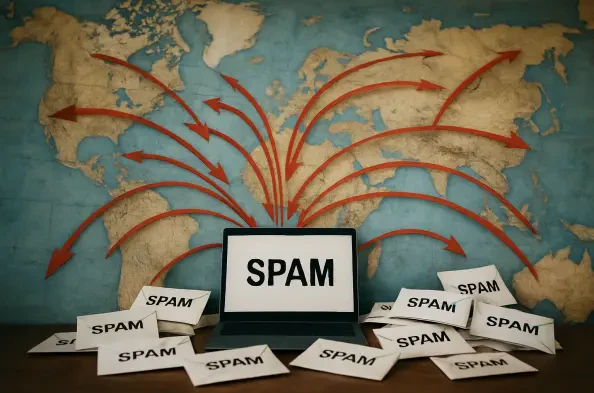
The digital landscape has witnessed a staggering escalation in malicious communications as the volume of global spam incidents climbed from 125 million in 2024 to over 144 million by the end of 2025. This 15 percent surge marks a pivotal shift in the efficiency of cybercriminals who now leverage advanced computational models to bypass traditional
The digital foundations of the automotive retail sector have been rocked by a massive security failure involving the exposure of approximately 12.5 million user accounts from the prominent online marketplace CarGurus. This incident serves as a sobering reminder of the inherent risks embedded within high-traffic digital hubs where personal
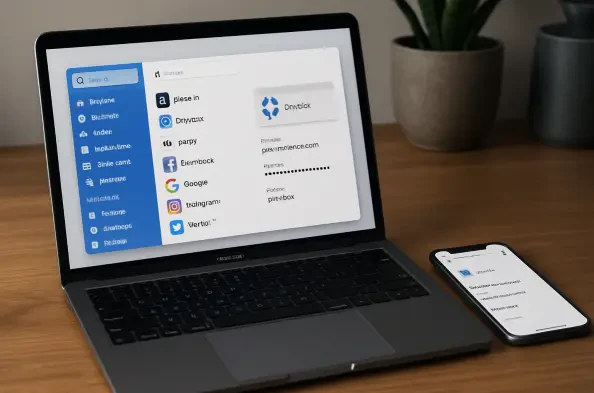
The digital vault serves as the ultimate line of defense for millions of individuals who rely on password managers to protect their most sensitive credentials and financial information. While these services frequently advertise a zero-knowledge encryption model that supposedly ensures no one but the user can access stored data, recent research has
The scale of modern digital infrastructure often hides the vulnerabilities inherent in the sprawling networks of third-party service providers that manage the back-office operations for major corporations. This systemic weakness was recently exposed in a catastrophic manner when the Texas Attorney General identified a cybersecurity incident
The rapid transformation of the smartphone from a basic communication tool into a comprehensive, data-rich hub has fundamentally altered the contemporary security architecture for modern enterprises. As these devices now function as the primary gateway to sensitive corporate systems and personal financial data, Chief Information Security Officers