
Standing in a queue that stretches around the perimeter of a stadium on a sweltering afternoon remains one of the most frustrating barriers between a fan and the opening kickoff of a major sporting event. For decades, the ritual of physical ticket checks or mobile QR code scanning has dictated the pace of entry, creating inevitable bottlenecks that tax both venue staff and security protocols. However, the emergence of advanced facial authentication systems is rapidly dismantling these traditional gatekeeping methods by replacing paper and plastic with the unique biological signatures of the human face. This technological pivot aims to transform the chaotic pre-game rush into a seamless, automated flow where attendees are recognized in motion. While the immediate benefits of reduced wait times and enhanced logistics are undeniable, the silent trade-off involves the mass collection of biometric identifiers that are far more difficult to change than a digital password or a physical keycard. By 2026, the adoption of these systems has moved beyond experimental trials to become a standard expectation for premium seating and high-capacity events.
The Digital Gatekeeper: The Shift Toward Biometric Entry Systems
Modernizing Stadium Access: A New Era of Efficiency
The transition from manual ticket validation to automated biometric identification represents a significant leap in how massive crowds are managed during high-capacity events across the globe. Venues such as the Geelong Football Club have taken the lead by implementing dedicated express lanes that rely on sophisticated facial recognition software to authenticate members as they approach the gates. By removing the need for fans to fumble with smartphones or physical membership cards, these systems have demonstrated a capacity to drastically shorten queue times and improve the overall flow of traffic into the stadium. This trend is not isolated to niche sporting clubs but has been embraced by major international tournaments, including the Australian Open, where high-traffic entry points were optimized through biometric scanning. The primary objective is to create a frictionless experience that allows security personnel to focus on genuine threats rather than administrative tasks. This shift reflects a broader societal movement toward automation in the service of convenience.
Technical Integration: High-Speed Identity Verification
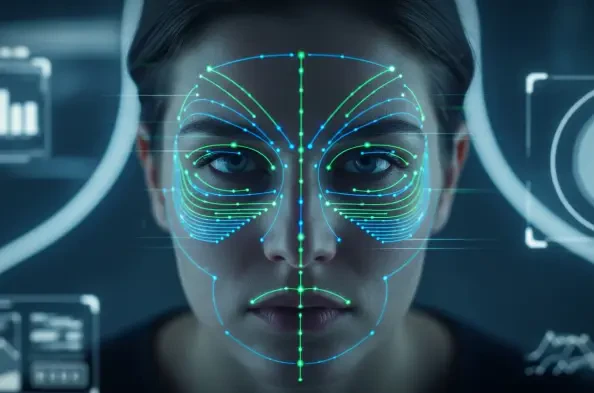
Implementing these biometric gateways requires a complex integration of high-resolution cameras, cloud-based databases, and real-time processing algorithms that must function reliably under various lighting and weather conditions. Unlike traditional scanning methods that rely on static data, facial recognition systems analyze the unique geometric features of a face and compare them against a registered database in a matter of seconds. This capability allows for “in-flight” authentication, where fans can walk through a gantry at a normal pace without stopping, effectively turning the entry process into a continuous stream rather than a series of staccato pauses. As more venues adopt these systems through 2026 and 2027, the technology is evolving to handle larger datasets with higher degrees of accuracy, reducing the incidence of false negatives that could lead to secondary manual checks. This move toward automation is driven by a desire for operational excellence and a shift in fan expectations regarding modern event logistics and administrative transparency.
Consent and Compliance: The Legal and Ethical Boundaries
Regulatory Compliance: Navigating Sensitive Data Laws
Under modern privacy frameworks, facial images are treated as highly sensitive biometric data, which places a significant legal burden on any organization that chooses to collect and store them for public events. Regulatory bodies require that venues provide clear and concise information regarding the specific purpose of the data collection and the duration for which the information will be retained. Informed consent is no longer a mere checkbox but a dynamic process that ensures every participant understands the implications of their digital identity being used for stadium entry. Recent legal developments, such as the privacy investigations involving large-scale retailers like Bunnings, have served as a critical cautionary tale for the sports industry. These cases demonstrated that even if a system provides significant operational benefits, it cannot bypass the fundamental requirement for explicit and transparent user notification. Organizations must now demonstrate that they are protecting these digital assets with the highest levels of encryption to avoid penalties.
Ethical Dilemmas: Incentives and Voluntary Participation
The ethics of biometric programs are further complicated by the use of loyalty points or stadium discounts to encourage fans to register their facial data in exchange for convenience. When venues offer financial incentives or status-based rewards, it raises difficult questions about whether the choice to participate is truly voluntary or if fans are being subtly pressured into surrendering their data. For consent to be meaningful, it must be free from the psychological and financial hooks created by these reward-based frameworks, ensuring that those who opt for traditional entry are not unfairly penalized. Furthermore, the practice of bundling biometric enrollment with season ticket renewals can lead to a sense of inevitability, where fans feel they have no choice but to comply if they wish to maintain their long-standing relationship with a team. Maintaining an ethical balance requires venues to offer robust alternatives that provide a high level of service without requiring the sacrifice of biometric privacy or personal autonomy.
Security and Surveillance: Security Threats and Long-Term Societal Risks
Cybersecurity Challenges: The Permanence of Biometrics
Cybersecurity remains a critical concern because biometric data is irreversible; unlike a password or a credit card number, a person cannot change their facial features if their digital template is stolen. In an era of frequent corporate data breaches, the storage of facial templates creates a permanent risk of identity theft for the individuals involved, making the collection of this data a high-stakes endeavor. This vulnerability requires security measures that many organizations may not be equipped to maintain over the long term, especially as hacking techniques become more sophisticated. Moreover, the risk of “function creep” looms large, where data collected for stadium entry might eventually be repurposed for targeted marketing or tracking movement within the venue without further consent. This lack of long-term control means a selfie provided today could be used in ways a fan never intended, creating a lasting digital footprint that remains beyond their control and could be subjected to future policy changes.
Shaping the Future: Accountability and User Empowerment
The industry recognized that biometric integration required a robust framework of oversight to prevent the exploitation of personal data for secondary commercial purposes. Stakeholders established clear protocols for the immediate deletion of raw facial images once a digital template was created, ensuring that the most sensitive data remained protected from potential breaches. Venues that prioritized transparency and offered clear, non-punitive alternatives to facial recognition successfully maintained public trust while enjoying the operational benefits of modernized entry. It became evident that the future of stadium security would rely on a balanced approach where technical innovation was tempered by strict ethical guidelines and proactive legislative compliance. Organizations that treated privacy as a core value rather than a regulatory hurdle were best positioned to lead the transition into an era of high-tech crowd management. Ultimately, the successful implementation of biometrics hinged on the industry’s ability to prove that convenience did not have to come at the expense of fundamental human rights.





