
Breach Management
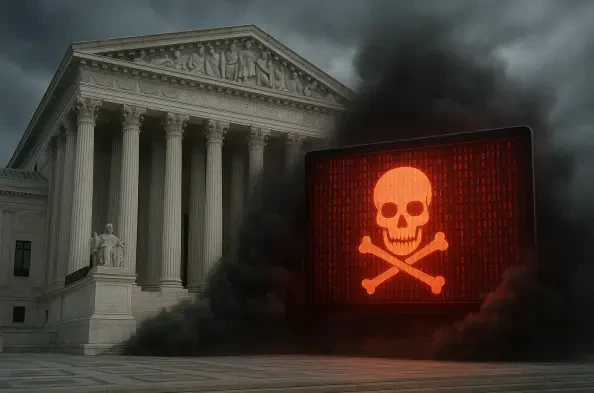
The lack of a traditional ransom demand suggests the threat actor was looking for low-hanging fruit to exfiltrate and potentially sell on various dark web marketplaces. This startling revelation follows a comprehensive forensic investigation into a massive security breach at the Arizona Supreme Court, which recently confirmed the unauthorized
Unauthorized access to file repositories and email workflows becomes a reality when core authentication controls are bypassed through known exploits. The digital landscape in 2026 demands a rigorous approach to sensitive data management, especially as threat actors refine their methods for targeting centralized communication hubs. Kiteworks

The platform provides a comprehensive view of how a single supplier failure can disrupt business services, regulatory compliance, and risk treatment plans. Consider a global logistics firm that suddenly loses access to its primary customs clearance software due to a localized security breach at a mid-sized vendor. Without an integrated oversight

Monitoring for unusual sequences of REST batch operations, such as paragraph rendering or category deletion requests, is essential for detecting early-stage TIKTOUK probes. The digital landscape is currently facing a sophisticated threat from this toolkit, which specifically targets a long-standing but often overlooked security flaw: unsecured

The detection of unauthorized activity on March 24, 2026, marked the beginning of a complex investigation into the theft of sensitive personal and corporate data. This intrusion, attributed to the notorious INC Ransom group, targeted the digital infrastructure of Lincoln Property Company Commercial, a prominent Dallas-based real estate powerhouse.
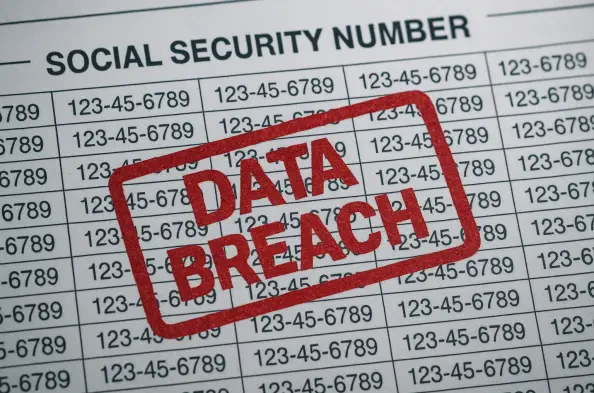
Legal disclosures revealed that at least thirteen Massachusetts residents were among those whose private information was accessed during a September security breach. This disclosure marks a significant moment for TIAA, a financial giant that manages over $1 trillion in assets for clients primarily in the academic and research sectors. The breach,