
Cloud Security

The rapid proliferation of sophisticated generative artificial intelligence across enterprise landscapes has fundamentally altered how organizations manage technical debt and operational complexity. As corporations race to integrate large language models into daily workflows, the traditional separation between IT infrastructure, cybersecurity

Vernon Yai is a premier authority on data protection and attack surface management, with a career dedicated to staying ahead of sophisticated exploitation techniques. As a thought leader in risk governance, he focuses on shifting security posture from reactive patching to proactive exposure reduction. By bridging the gap between detection and

The Dawn of a New Era in AI-Driven Cybersecurity Consolidation The completion of Google’s $32 billion acquisition of Wiz marks a watershed moment in the technology sector, signaling a fundamental shift in how cloud infrastructure is protected. As the largest acquisition in the history of the cybersecurity industry, this deal represents more than
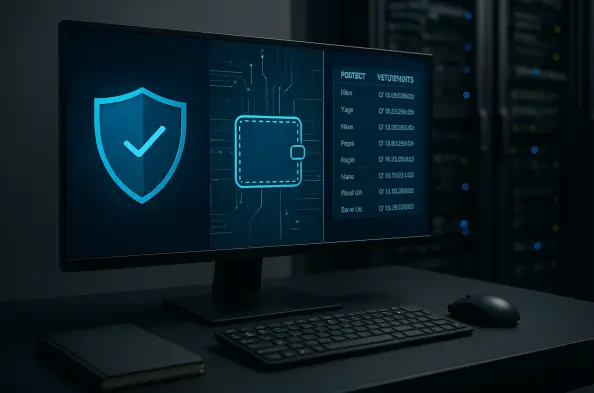
The traditional reliance on a centralized corporate data center to anchor security operations has crumbled under the weight of a hyper-distributed workforce that operates from virtually any location. As the professional landscape shifts from fixed office environments to a decentralized model involving home offices, transit hubs, and international
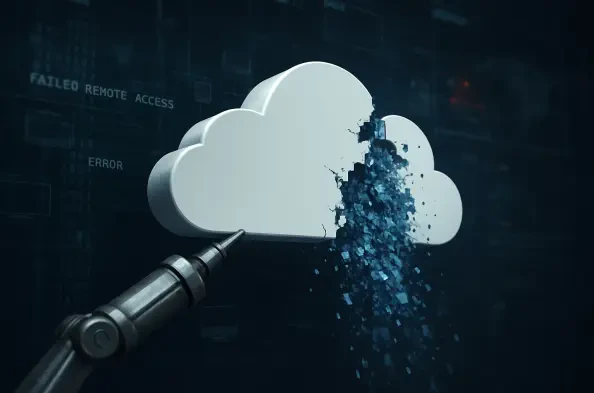
The traditional safety net of the multi-week patching cycle has vanished as generative artificial intelligence transforms from a boardroom talking point into a lethal instrument for rapid cyber exploitation. Modern adversaries are no longer limited by the manual constraints of reverse-engineering code; instead, they utilize specialized large
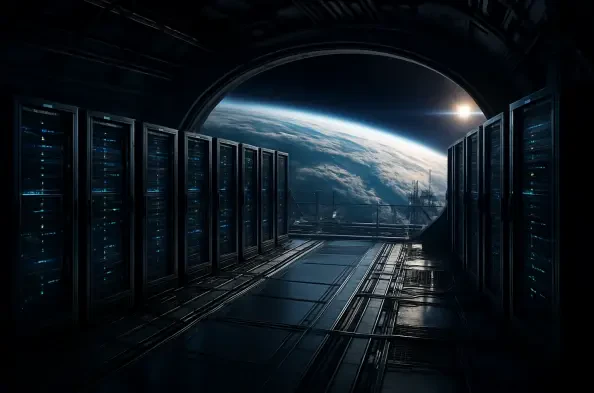
The conceptual boundary between science fiction and tangible technological infrastructure is becoming increasingly blurred as the cryptocurrency and data processing industries look toward the stars. This shift represents a calculated response to the escalating environmental, energetic, and logistical constraints facing terrestrial data centers