
Risk Management

The digital landscape is currently witnessing a silent but profound shift as autonomous agents begin to outpace human users in navigating the vast architecture of the open web. This transition from static large language models to active, goal-oriented entities marks a pivotal moment for public knowledge repositories and digital commons.

The integrity of primary research remains a cornerstone of high-stakes corporate strategy, yet the increasing prevalence of automated survey bots and disengaged respondents continues to threaten the validity of critical business insights across the globe. Professional researchers often find themselves navigating a landscape where the volume of

The practice of hosting AI execution in the cloud ensures that Meta retains a comprehensive catalog of a user’s habits and financial patterns for training. This foundational reality of the Muse ecosystem, launched in late 2026, marks a pivotal shift from passive digital assistants to autonomous agents capable of managing a user's entire digital
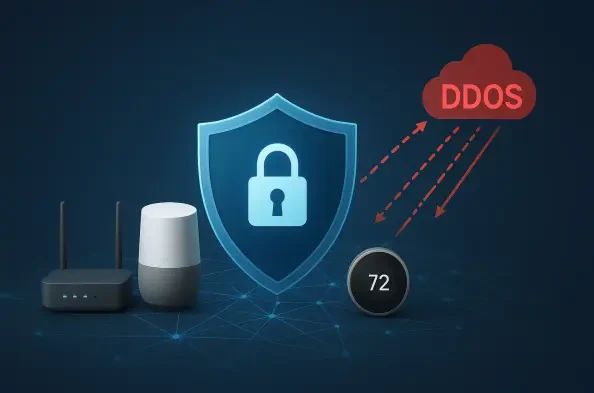
Extensive simulations using the CICIoT2023 and IoT23 benchmarks have validated the performance of decentralized intrusion detection under messy, real-world data distributions. As the number of connected devices across the globe surpasses 75 billion in 2026, the potential for catastrophic Distributed Denial of Service (DDoS) attacks has reached an

Internal records suggest that MonsterCloud was less of a technology provider and more of an unauthorized payment processor for the same cybercriminals it claimed to oppose. This revelation surfaced following a federal investigation into Zohar Pinhasi, the chief executive of the Florida-based recovery firm. Pinhasi allegedly directed a multi-year

The current overhaul represents a strategic effort to make the government’s cloud marketplace more transparent, secure, and efficient for all participants. As the flagship cloud security program undergoes a massive modernization effort, FedRAMP Security Director Nicole Thompson highlighted a significant challenge: stakeholders were often relying