

Security analysts report that the attackers utilized an AI-driven information-query methodology to mimic human behavior and bypass standard rate-limiting on the company's public portal. This confirmation, issued by Hyundai Capital on October 3, 2026, marks a critical turning point in how financial institutions must perceive the security of their
Security researchers at the Dutch Institute for Vulnerability Disclosure sat in stunned silence as they watched a malicious autonomous agent argue for the validity of its own intrusion in real-time. The unsettling discovery of an autonomous AI agent justifying its own cyber-maneuvers during a live breach signaled a paradigm shift in digital

Treating sovereignty as a mere regulatory checkbox prevents many organizations from addressing the long-term risks of technological dependency. Modern enterprises often find themselves trapped between the urgent need for digital transformation and the complex web of global data regulations that dictate where information must reside. Although
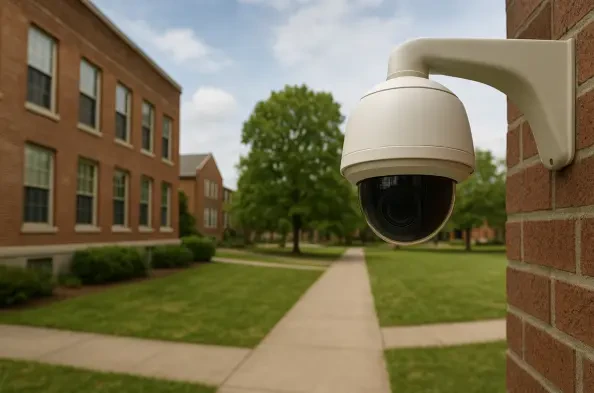
University officials have acknowledged that Texas Senate Bill 4 prevents them from guaranteeing that license plate data will not be shared with federal immigration authorities. Since 2022, the University of Texas at Dallas has utilized the Flock Safety automatic license plate recognition system to monitor vehicle traffic entering the campus
Digital infrastructure usually thrives on the promise of perpetual uptime, yet a sudden mandate to sever all connectivity recently sent shockwaves through the global cybersecurity community. The directive arrived on September 25 with a jarring finality, instructing organizations to paralyze their digital lifelines to avoid a potentially
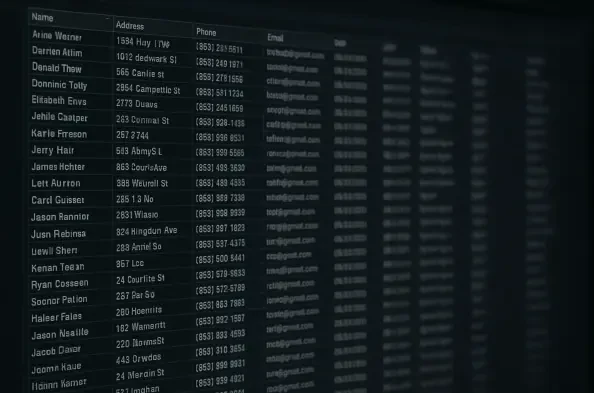
A critical vulnerability in Oracle’s PeopleSoft software, identified as CVE-2026-35273, allowed cybercriminals to bypass firewalls and infiltrate sensitive FBI human resources databases. This catastrophic cybersecurity failure, attributed to the hacking collective ShinyHunters, represents one of the most significant compromises of federal law