

The Strategic Imperative of Human Capital in the Age of AI The current landscape of corporate innovation is defined by a jarring contradiction: as enterprises race to deploy generative artificial intelligence, they are finding that the limiting factor is not the availability of code, but the scarcity of individuals who know how to wield it. While
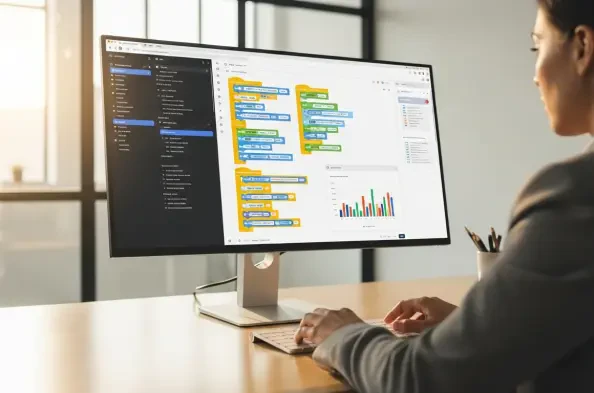
Digital professionals currently navigate a chaotic landscape where deep focus is constantly interrupted by the manual synchronization of disparate software platforms. OpenAI is now challenging this fragmented status quo by merging its primary technologies into a single desktop "super app." This transition seeks to move artificial intelligence from

The ease with which modern generative tools allow individuals to manifest complex software architectures has created a deceptive sense of security regarding the stability of these digital foundations. In the current landscape of 2026, the phenomenon known as "vibe coding" has democratized development to such an extent that the distance between a
Vernon Yai is a distinguished authority in the realm of data protection and enterprise AI strategy, recognized for his deep expertise in navigating the complex intersections of data governance and emerging technologies. With a career focused on building resilient risk management frameworks, he has become a pivotal voice for organizations

The modern enterprise operates at a velocity where the window between receiving a signal and executing a response has narrowed from days to mere milliseconds. In this high-stakes environment, the difference between a market-leading breakthrough and a catastrophic systemic failure often rests on the invisible architecture of data governance. While
The rapid integration of generative artificial intelligence into the core of enterprise operations has created a profound architectural tension that most cybersecurity departments are currently ill-equipped to resolve. While organizations move quickly to embed large language models and automated data pipelines into their workflows, the underlying