Hook: A Tight Agenda, a High-Stakes Topic, and 900 Seconds to Earn Governance
A blinking timer, a packed agenda, and a room of directors waiting for clarity rather than completeness created a moment that tested whether cyber risk could be governed in the time it takes to read a short memo. The question hanging over the table was blunt: what can a board actually decide in 15 minutes about cyber risk—and what must be cut to make room for that decision?
The urgency is not theoretical. In most audit committee meetings, cyber receives just 10–15 minutes once a quarter, yet directors remain responsible for validating top risks, aligning priorities, and endorsing choices that shape investment and accountability. Too often, the session drifts into a status update because the dashboard is dense, the context is thin, and the ask is unclear. The result is polite attention without meaningful oversight.
Why This Matters Now: Cyber Oversight Has Shifted—and the Clock Is Unforgiving
Oversight has migrated decisively to audit committees. Recent reviews of S&P 500 disclosures showed that 79% of companies assign primary cyber oversight to audit, up from 71.2% two years earlier, compressing cybersecurity into agendas built for financial reporting, internal controls, and compliance. Time compression is now structural, not situational, and it changes how leaders must prepare.
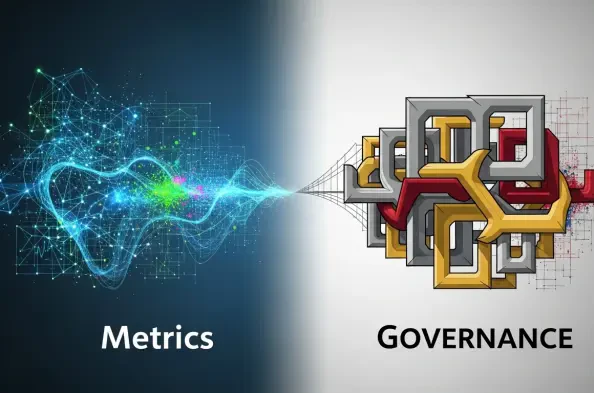
This shift exposes a gap between what directors need and what management often provides. Boards look for context, tradeoffs, and decisions, not inventories or raw metrics. Governance quality hinges on whether the briefing produces a decision or a clear validation of risk and priorities. For CISOs and CIOs, credibility, trust, and funding ride on business-first communication, supported by between-meeting engagement so no one is surprised when the formal session begins.
What to Cover—and What to Cut—to Turn Updates Into Governance
The filter is materiality. Incidents and near misses that changed exposure belong in the room, along with lessons learned and the changes implemented. When a third-party outage revealed recovery gaps, for example, the salient points were remediation status, residual risk, and whether recovery targets were still realistic under stress.
The environment matters only when it alters exposure or priorities. New vulnerabilities, attacker behavior, or disclosure rules deserve airtime if they compress timelines, reshape playbooks, or force sequencing tradeoffs. One company reframed incident response after accelerated disclosure timelines tightened, showing how legal, communications, and cyber roles shifted under pressure.
Program health should prove execution, not activity. Evidence of cross-functional alignment, cultural signals of accountability, and outcomes from exercises or recovery tests carry weight. “Enterprise MFA exceptions reduced by 42% quarter-over-quarter, and a red team was contained within the recovery time objective,” is governance-ready; a wall of metrics without thresholds, trends, or decisions is not. Long project lists, technology inventories, and threat briefings that do not change exposure only dilute the signal.
Credibility Builders: Voices, Data Points, and Field-Tested Guidance
Directors reward clarity where tradeoffs are explicit—timelines, investments, and risk acceptance. As Caroline Tsay observed from the board side, “Briefings that land tie risk to business outcomes, show what changed, and end with a clear decision for the committee.” That standard prioritizes candor about uncertainty over false precision and invites the committee into the choice, not the weeds.
Research and practice reinforce the preparation shift. With audit committees dominating cyber oversight in large public companies, management cannot count on extended strategy sessions. Intellectual honesty builds trust when leaders say what is unknown, what could fail, and how uncertainty is being managed. In one case, a 10-minute pre-brief with the audit chair surfaced a brewing concern about third-party concentration risk; the alignment enabled a funding decision during the meeting, not after it.
Anecdotes travel well in boardrooms when they are operationally specific. Walking directors through a business-relevant ransomware containment and recovery path—segmented backups, isolation steps, handoffs across legal and operations, and tested recovery times—secured endorsement for backup segmentation and a revised RTO. The scenario turned abstract risk into a concrete operating plan.
A 15-Minute Framework That Drives Decisions, Not Downloads
Start by anchoring on the top three enterprise cyber risks for the business, with a tight rhythm: current trend, within or out of tolerance, and what changed since last quarter. Speak in business impact—revenue at risk, operational interruption, regulatory exposure, and recovery timelines—and use thresholds so directors can tell whether movement is noise or signal.
Then move through one realistic scenario end-to-end. Map it to how the company operates, demonstrate containment and recovery under real constraints, and highlight control effectiveness, gaps, and tested recovery times against targets. This is where dependencies surface and where the board can assess whether the posture matches risk appetite and obligations.
Close with two or three proof points that show the program is landing across the enterprise: exercise outcomes, audit results, control coverage and quality, issue burn-down, and exception posture. Make handoffs visible—who owns what, where timelines are firm, and where executive help is needed. End with a clear ask: approve funding, endorse a timeline, accept defined risk, support a policy change, or request an independent review, along with alternatives and consequences of inaction.
Tools and Tactics to Make It Work Quarter After Quarter
A disciplined cadence kept momentum. Pre-reads distilled risk trends, a scenario summary, and the ask into a single page, while visuals used labeled traffic-light thresholds with definitions to avoid guesswork. Language translated technical issues into business impact, trimming jargon to what was necessary for a decision, not for demonstration of expertise.
Between meetings, short education sessions, emerging-issue check-ins, and quiet pre-briefs on sensitive topics strengthened trust. Ready-to-use prompts sharpened the narrative: “What changed this quarter that alters exposure?”, “Which tradeoff needs board input now?”, and “What proof demonstrates execution enterprise-wide?” By the time directors entered the room, they had context, and the conversation moved from awareness to governance. In the end, the path to decisions ran through respect for time, clarity of risk and outcomes, and a practiced ask that made action easier than delay.