The reliance on a handful of global chip suppliers creates a systemic risk where a single architectural flaw could compromise millions of vehicles across different brands. As the automotive industry shifts from mechanical manufacturing to a software-centric model, cars have become sophisticated mobile ecosystems that are deeply integrated with global data networks. This radical transformation has effectively redefined the concept of vehicle safety, moving it beyond physical crashworthiness into the complex realm of digital security. A recent comprehensive analysis by researchers at the University of Gothenburg and Chalmers University of Technology underscores this reality by examining over four hundred documented software vulnerabilities reported between 2024 and 2026. The study reveals that the primary theater of risk has migrated away from internal hardware toward the external digital environments that support modern vehicles, creating a new landscape of threat that requires immediate industry attention.
The Expansion of Digital Threat Vectors
Remote Entry Points: Exploiting the Cloud
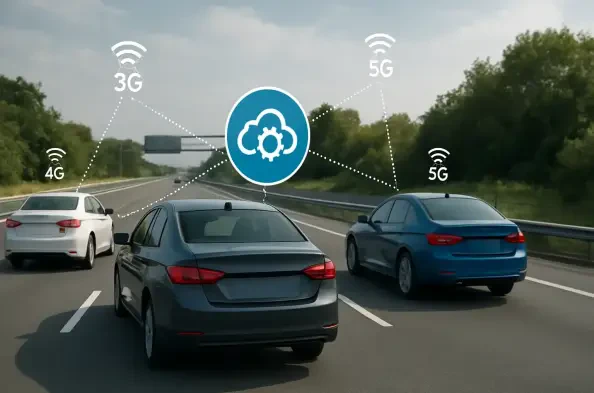
The most striking finding within the recent research is the dramatic tripling of vulnerabilities located within external software environments, including smartphone applications, manufacturer websites, and cloud-based services. In the early years of connected vehicle development, security concerns were largely limited to physical or near-field access to internal computer networks, such as the Controller Area Network bus. However, as of 2026, the risk profile has expanded significantly because modern vehicles maintain constant communication with manufacturer servers and regional electric vehicle charging infrastructure. This constant connectivity means the potential attack surface has grown exponentially, shifting the focus from local physical interventions to remote digital exploitation. Consequently, a hacker no longer needs to be physically near a car to gain unauthorized access; instead, they can exploit weaknesses in the digital tether that connects the vehicle to the global internet.
This shift toward cloud-based integration suggests that a minor weakness in a mobile application used to unlock doors or a flaw in a telemetry service can serve as a potent remote entry point for malicious actors. Researchers are particularly concerned because the proportion of these vulnerabilities rated as serious or critical has seen a marked increase over the last two years. As cars become fully integrated into the broader Internet of Things, the potential impact of a single flaw can now affect entire fleets of vehicles simultaneously rather than just an individual car. This magnifying effect of a single breach presents a systemic threat that could paralyze transportation networks or compromise the safety of thousands of drivers at once. The scalability of these attacks marks a fundamental change in automotive risk, where the failure of a single centralized server could lead to widespread disruption across multiple vehicle brands and different geographic regions.
Data Exposure: Risks to Personal Privacy
To illustrate the gravity of these cloud-based risks, cybersecurity experts often point to a significant incident from late 2024 where sensitive data belonging to approximately eight hundred thousand electric vehicle owners was exposed. This data leak affected major brands like Volkswagen, Audi, Seat, and Skoda, yet it did not stem from a flaw in the cars’ internal wiring or physical computer chips. Instead, the breach was the result of a vulnerability in the cloud service used by the manufacturer to manage data uploads from vehicles on the road. The exposed information was disturbingly granular, including precise GPS coordinates, home addresses, phone numbers, and email addresses, which allowed for the reconstruction of a driver’s daily routines and movements. While this specific leak was patched by ethical researchers before criminal exploitation occurred, it serves as a definitive example of how the move toward connected services creates new avenues for privacy violations.
Beyond the immediate threat of data theft, the exposure of real-time location data presents a significant physical safety concern for vehicle owners. When GPS coordinates and personal identifiers are leaked, the risk of stalking or targeted harassment becomes a tangible reality that traditional automotive safety measures are ill-equipped to handle. This highlights a critical disconnect between the convenience of cloud-integrated features and the rigorous security standards required to protect consumer privacy. As manufacturers continue to collect vast amounts of telemetry to improve vehicle performance and user experience, they inadvertently create massive databases that are highly attractive to cybercriminals. The protection of this data is now just as important as the structural integrity of the vehicle frame. Without robust encryption and secure data management practices, the very features intended to enhance the driving experience could be weaponized against the owners through unauthorized surveillance.
Architectural Integrity and Technical Debt
Legacy Connectivity: The Infotainment Bridge
The bridge between digital vulnerabilities and physical consequences remains a critical concern for engineers, as many modern designs still fail to properly separate infotainment features from safety-critical systems. Looking back at landmark security tests where researchers took command of a vehicle’s steering and brakes through its media interface, it is clear that similar architectural weaknesses persist even in 2026 models. If a remote hacker gains access to the car’s Wi-Fi or media interface, they may still be able to traverse the internal network to reach the systems governing the engine or braking components. This lack of strict air-gapping or robust firewalls between entertainment units and mechanical control units represents a significant failure in security architecture. Despite advancements in software development, the core problem of network lateral movement within the vehicle remains a primary vector for those seeking to exert physical control over a moving car.
While the industry has made strides in securing individual components, the integration of these parts often reveals hidden pathways that can be exploited by sophisticated actors. For example, a vehicle’s infotainment system, which is designed to provide high-speed internet and media streaming, often shares a communication pathway with the electronic control units responsible for powertrain management. This design choice, while cost-effective for manufacturers, provides a direct bridge for cyberattacks to transition from the digital world to the physical road. Modern security audits continue to find that these fun features are not sufficiently isolated from the systems that ensure passenger safety during operation. As a result, the challenge for current automotive engineering is to rebuild these internal architectures with a focus on zero-trust principles, ensuring that a breach in a non-critical system cannot escalate into a catastrophic loss of vehicle control.
Supply Chains: Vulnerabilities in Hardware and AI
Beyond complex architectural flaws, researchers have identified several recurring themes that contribute to automotive insecurity, such as basic failures in security hygiene. Surprisingly, many of the vulnerabilities found in sophisticated cloud systems are remarkably elementary, involving the use of default passwords that were never changed after installation. Furthermore, some manufacturers continue to employ outdated coding practices and well-known software vulnerabilities that the broader information technology industry moved past many years ago. These simple oversights create low-hanging fruit for attackers, allowing them to bypass expensive security measures through simple administrative errors. The persistence of these basic flaws suggests that the rapid pace of automotive innovation has sometimes outstripped the adoption of fundamental cybersecurity protocols. Improving these basic practices is a necessary first step toward closing the gap between modern vehicle capabilities and their defense.
The automotive supply chain introduces another layer of systemic risk, as many different vehicle manufacturers rely on the same computer chips from a handful of global suppliers. If a vulnerability is discovered in the underlying architecture of a specific chip, it can create a back door that potentially compromises millions of vehicles across entirely different brands. This concentration of hardware dependencies makes the entire industry vulnerable to single points of failure that are difficult to patch quickly. Additionally, the rise of AI-driven assistants in 2026 has added a new dimension to this threat landscape. These systems can be susceptible to prompt injection techniques that trick the AI into revealing sensitive user data or providing unauthorized access to system-level commands. As AI becomes more central to the driving experience, ensuring that these models are resilient against manipulation is becoming a top priority for developers and cybersecurity experts.
Implementing Robust Security Frameworks
Corporate Responsibility: Transparency and Design
The findings from the recent study serve as a vital call to action for car makers to adopt a back-to-basics approach borrowed from the more mature sectors of the IT industry. This strategy involves the implementation of rigorous security protocols, including multi-factor authentication for all connected services and a security-by-design philosophy that prioritizes safety from the initial planning stages. Manufacturers must work toward the absolute isolation of driving functions from entertainment features to ensure that a compromise in one does not affect the other. By building systems with deep compartmentalization, the industry can mitigate the risk of lateral movement across the vehicle’s internal networks. This transition requires a cultural shift within automotive companies, where cybersecurity is treated with the same level of engineering rigor as mechanical reliability and occupant crash protection during the design phase of every new vehicle model.
Furthermore, the automotive industry must move toward more transparent reporting of vulnerabilities to foster a collaborative environment for developing standardized defenses. Historically, manufacturers have often been reluctant to share information about security flaws, fearing reputational damage or legal liability. However, in the current landscape of 2026, the complexity of vehicle software makes it impossible for any single company to identify and fix all potential threats in isolation. By documenting and sharing discovered flaws through industry-wide databases, manufacturers can help each other develop patches more quickly and defend against common attack vectors. This transparency also builds consumer trust, as it demonstrates a proactive commitment to safety rather than a reactive approach to breaches. Establishing clear industry standards for vulnerability disclosure and patch management is essential for creating a resilient ecosystem that can adapt to the evolving tactics of cybercriminals.
Individual Action: Securing Personal Hardware
For the modern car owner, a vehicle must now be treated with the same level of digital caution as a smartphone or a laptop to prevent unauthorized remote access. This involves staying vigilant with software updates and over-the-air patches, which are often released by manufacturers to address newly discovered security flaws. Ignoring these notifications can leave a vehicle vulnerable to known exploits that hackers are actively targeting. As software-defined vehicles become the standard, the responsibility for maintaining a secure environment is partially shared by the user, who must ensure that the vehicle’s operating system is always running the most current version. These updates are no longer just about adding new features or improving performance; they are critical safety measures that protect the vehicle’s digital integrity. Owners should prioritize these updates just as they would an oil change or a brake inspection to ensure the continued safety of their vehicle.
Drivers must also employ strong credential management for manufacturer applications and be extremely mindful of the personal information they share with in-car AI assistants. Using unique and complex passwords, along with enabling multi-factor authentication where available, can significantly reduce the risk of unauthorized access to vehicle controls and personal data. Additionally, users should be aware that the information they provide to voice-activated assistants or navigation systems is often stored in the cloud, making it a potential target for data breaches. By limiting the amount of sensitive information shared within the car’s digital environment, owners can minimize their digital footprint and reduce the potential impact of a security compromise. Practicing good digital hygiene in the car is an essential component of modern vehicle ownership, as the integration of our digital lives into our transportation requires a more proactive approach to protecting personal and physical security.
A Shift in Safety Paradigms: Moving Toward Resilience
The analysis of over four hundred vulnerabilities clearly demonstrated that the automotive industry stood at a critical crossroads regarding digital safety and consumer trust. As vehicles transformed into computers on wheels, the responsibility for occupant protection expanded to include every developer, cloud architect, and chip designer within the global supply chain. It became evident that the safety of a vehicle was no longer solely determined by its mechanical quality or crash-test ratings, but by the robustness of the servers and code that supported it from thousands of miles away. The transition to a software-centric model necessitated a fundamental shift in how risks were perceived and managed by both manufacturers and regulatory bodies. Securing the modern car required a comprehensive effort to protect the entire digital ecosystem, ensuring that the undeniable convenience of connectivity did not come at the unacceptable cost of physical security or personal privacy.
Looking forward, the industry adopted a more holistic approach to security that integrated advanced encryption and real-time threat monitoring as standard features in all new models. Manufacturers began to work closely with cybersecurity firms to conduct continuous stress tests on their cloud infrastructures, while government agencies implemented stricter regulations regarding data protection and software transparency. These actions moved the industry toward a state of resilience where vehicles could detect and respond to digital threats automatically, much like an immune system protects a biological organism. The focus shifted toward creating fail-safe architectures that guaranteed the mechanical operation of the car even if its external communication links were compromised. Ultimately, the lessons learned from the challenges of the mid-2020s paved the way for a more secure era of mobility, where the digital and physical worlds were harmonized through rigorous engineering and proactive defense strategies.