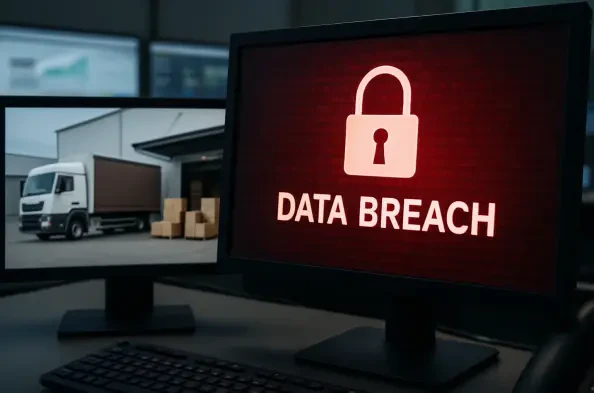
The intrusion into CEVA Logistics’ systems on July 29, 2026, served as a catalyst for a multi-company data exposure event that affected thousands of shoppers across the United Kingdom and Germany. This security incident highlights the inherent vulnerabilities within global supply chains, where third-party service providers often act as unintentional gateways to sensitive customer information. While the Pokémon Center itself maintains robust internal cybersecurity protocols, its reliance on external logistics partners for fulfillment and distribution created an unavoidable point of failure that malicious actors were able to exploit with precision. Investigations revealed that unauthorized parties gained access to a specific database managed by CEVA, which contained shipping manifests and customer transaction logs. This breach underscores the growing trend of supply chain attacks, where hackers target the weakest link in a commercial network to maximize their haul of personal data from high-profile brands. By infiltrating the middleman, attackers bypassed the primary defenses of the retail giant. They secured a treasure trove of information while avoiding the heavily fortified main servers.
Technical Analysis: Vulnerabilities in Third-Party Networks
Forensic investigators determined that the initial entry point was a compromised administrative account within the CEVA Logistics environment, likely obtained through a sophisticated spear-phishing campaign targeting middle management. Once inside the perimeter, the attackers moved laterally through the network. They located servers hosting data for international retail partners, including The Pokémon Company International. The technical sophistication of the intrusion suggests a coordinated effort by a group familiar with logistics software and database management systems. Unlike traditional ransomware attacks that encrypt files for financial gain, this breach focused primarily on data exfiltration. This indicates a possible intent to sell the harvested information on dark web marketplaces. The lack of multi-factor authentication on certain legacy gateways allowed the attackers to remain undetected for several days. During this time, they systematically copied vast quantities of shipping records and mapped the network before security teams could react.
The specific data points exposed during this event included full names, residential shipping addresses, email addresses, and phone numbers, as well as detailed records of individual purchases. Although payment card information was reportedly not stored on the compromised servers, the availability of detailed order histories provides scammers with potent material for targeted social engineering attacks. A fraudster possessing a customer’s recent purchase history can craft highly convincing phishing messages. These often appear as delivery updates or customer service inquiries. This type of secondary exploitation leads to greater financial loss for consumers than the initial data breach itself. Furthermore, the exposure of precise residential addresses raises significant privacy concerns for the thousands of households affected across Europe. Security experts noted that the leaked data could be cross-referenced with other public datasets to build comprehensive profiles of individual consumers, increasing the long-term risk of identity theft.
Industry Repercussions: Strengthening Supply Chain Integrity
In the wake of the discovery, The Pokémon Company International immediately suspended certain data-sharing protocols with CEVA Logistics. This suspension remained in place until a full audit could be completed by independent cybersecurity firms. This decisive action reflects a broader shift in how major corporations manage vendor risks in 2026. Contractual obligations now include stringent requirements for real-time threat monitoring and mandatory disclosure windows. CEVA Logistics responded by resetting all internal credentials and deploying advanced endpoint detection and response tools across its global network to prevent further unauthorized access. Regulatory bodies in both the United Kingdom and Germany have opened inquiries into the matter. They seek to determine if the logistics provider adhered to the strict data protection standards mandated by international law. These investigations serve as a stark reminder that liability for data breaches often extends far beyond the company that directly interacts with the customer.
The incident mandated a complete reevaluation of how global retailers vetted their fulfillment partners. Organizations ensured that security measures were not merely checkbox exercises but integrated operational realities. They moved toward adopting zero-trust architectures that limited the scope of data access granted to third-party providers. This ensured that a compromise in one segment of the supply chain did not lead to a total collapse of consumer privacy. It became clear that the integration of blockchain-based tracking and encrypted communication channels offered a viable path forward for protecting logistics data. Future-proofing these systems required a commitment to continuous monitoring and the implementation of automated response protocols. These tools could isolate suspicious activity within seconds of detection. By treating cybersecurity as a shared responsibility rather than a siloed department, companies began to build more resilient networks. These steps established a new baseline for industry security protocols.