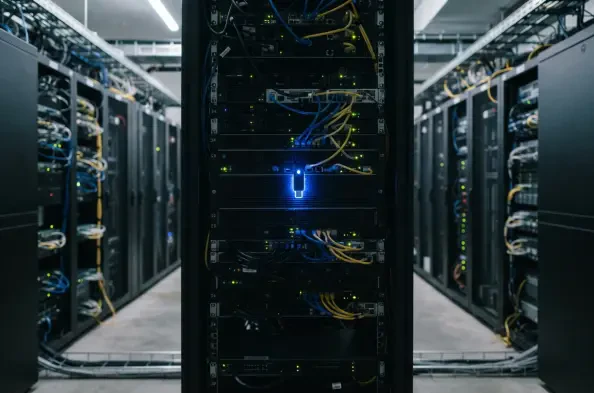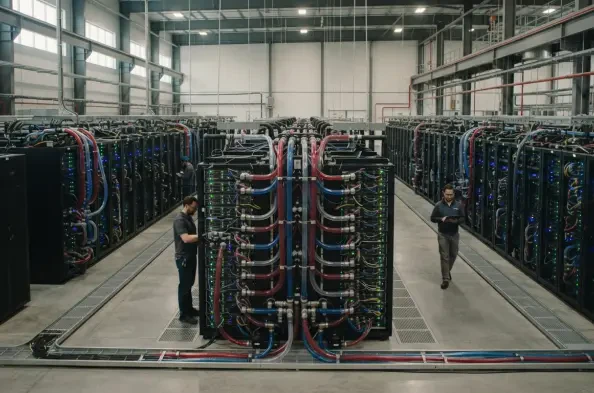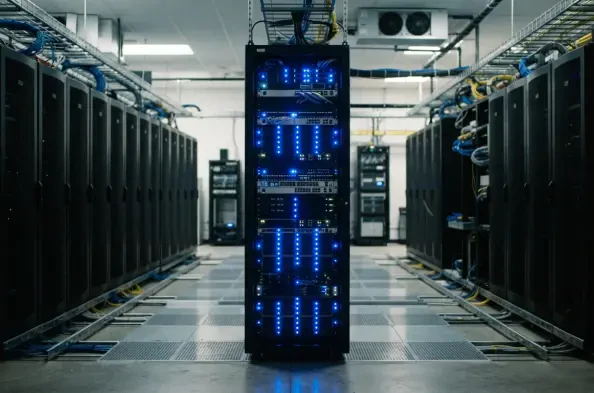
Organizations deploying sensitive AI models are increasingly vulnerable to data poisoning and unauthorized access occurring at the shared storage and artifact layer. This threat landscape expanded as enterprises moved beyond simple software security into the realm of high-performance computing hardware. The collaboration between Lava Security and the Open Worldwide Application Security Project represented a pivotal shift in how the industry perceives the integrity of artificial intelligence systems. By focusing on the underlying infrastructure, or the “neocloud,” these organizations addressed the physical and logistical layers that support massive GPU clusters. This initiative was not just about patching software but about redefining the entire security perimeter to include specialized hardware components. As the demand for localized processing power grew, the need for a standardized framework to protect these environments from sophisticated attacks became an essential requirement for digital trust in the modern era of computing.
Transitioning from Trusted Clusters to Commercial Neoclouds
The shift from traditional high-performance computing to modern commercial neoclouds altered the security assumptions of the industry. Historically, these environments were secluded within academic institutions where every user was vetted and the network was inherently trusted. However, the current landscape in 2026 involves multi-tenant data centers where dozens of competing organizations share the same physical silicon. Technologies such as InfiniBand networking and Remote Direct Memory Access were designed for maximum throughput with almost no built-in security features, as they operated under the assumption of a benign environment. In a modern cloud setting, these same high-speed protocols can be exploited by malicious actors to intercept data or move laterally between tenants. This evolution necessitated a complete re-evaluation of how hardware is isolated, moving away from a trust-by-default model to a rigorous zero-trust architecture that accounts for the reality of shared infrastructure.
One of the most pressing dangers in the current neocloud ecosystem involves persistent hardware-level infections that survive standard cleanup procedures. When a customer rents a bare-metal server, they often gain root-level access that allows for the modification of deep system components like the BIOS or UEFI firmware. If the provider lacks stringent management interface controls, an attacker can plant malicious code that remains active even after the operating system is wiped and the server is reassigned to a new client. This “persistence of infection” broke the traditional cloud security paradigm, where a simple redeployment was once considered sufficient to eliminate threats. The OWASP framework addressed this vulnerability by emphasizing the need for immutable hardware roots of trust and more frequent integrity checks. Ensuring that a machine is truly clean before it changes hands became a primary engineering challenge for those building the infrastructure that fuels global AI.
Framework for Managing Specialized Infrastructure Risks
The newly established framework categorized these infrastructure risks into a comprehensive roadmap that helped organizations navigate the complexities of modern data center security. Beyond software vulnerabilities, the framework highlighted the specific dangers associated with out-of-band management controllers, such as Baseboard Management Controllers. These systems act as a secondary gateway to the server, operating independently of the main processor and offering a backdoor for attackers to gain total control over the hardware. Furthermore, the framework identified the unique risks of shared storage environments where AI artifacts and pre-trained models are stored. Unauthorized access at this level does not just lead to data theft; it opens the door to data poisoning, where an attacker alters a training set to introduce biased behavior into a model. By standardizing these risk categories, the initiative provided a common language for professionals to communicate hardware threats effectively.
In addition to hardware integrity, the framework delved into operational and supply chain threats that could undermine an entire AI cluster. The logistical complexity of maintaining thousands of specialized GPUs led to significant patching latency, where updates for firmware or drivers were delayed due to the risk of service disruption. This window of vulnerability was often exploited by sophisticated groups seeking to compromise high-value AI intellectual property. The OWASP project also pointed to the lack of standardized security certifications tailored to the unique architectural demands of GPU-centric environments. Existing certifications were often too generic to cover the intricacies of RDMA isolation or physical environmental security, such as the manipulation of cooling systems. Addressing these gaps required a move toward specialized compliance models that reflected the reality of high-performance computing and the critical nature of the hardware layer supporting modern clusters.
Strategic Implementation and Future Industry Resilience
For organizations that consume GPU capacity rather than build it, the framework functioned as a critical due diligence tool during the vendor selection process. Security teams were no longer forced to rely on vague assurances; they could ask pointed, technical questions based on the OWASP Top 10 for neocloud environments. This included inquiring about specific firmware integrity verification processes, the methods used to isolate tenant memory during computation, and the security protocols governing high-speed network fabrics. This transparency was vital for companies operating in highly regulated sectors, such as finance or healthcare, where the integrity of AI-driven decisions is paramount. By using this framework as a benchmark, consumers drove the market toward higher security standards, forcing providers to prioritize hardware-level protections as a competitive advantage. This shift ensured that the responsibility for security was shared between providers and their end users, fostering a safer environment for innovation.
The implementation of these security standards provided a foundation for the sustainable growth of AI infrastructure during a period of global expansion. Organizations that integrated these hardware-centric protocols moved toward a more resilient posture by adopting automated firmware verification and strict network segmentation. The transition away from general-purpose security models allowed engineering teams to focus on specific physical vulnerabilities of high-performance clusters, reducing the success rate of persistent hardware attacks. Moving forward, the industry benefited from a shift toward hardware-level zero trust, where every component was verified before it participated in a larger computation. This change was not just a technical upgrade but a strategic realignment that protected intellectual property and the integrity of data. Future efforts remained focused on extending these protections to the edge, ensuring that the entire lifecycle of AI systems remained robust against emerging global threats.