The synergy between scanning and shredding allows modern enterprises to maintain digital accessibility while eliminating the risks of physical data breaches. Even in 2026, where cloud-native ecosystems and artificial intelligence drive the majority of administrative workflows, the physical document has not vanished as once predicted. Instead, paper records have evolved into a specific category of high-stakes liability that exists alongside digital assets. Whether it is a hard copy of a partnership agreement or a printed financial report, these tangible items carry a weight that digital files sometimes lack in legal proceedings. Consequently, the challenge for modern leadership is not just securing the perimeter of the network, but also governing the physical trail that continues to circulate within office environments. Secure destruction emerges as a vital strategic pillar because it addresses the vulnerability of the information lifecycle that begins at the printer and ends at the disposal bin.
Mitigating Risks Through Professional Disposal
Combatting Identity Theft and Corporate Espionage
Professional shredding serves as a primary defense against the escalating threat of identity theft and corporate espionage. With over 1.1 million identity theft incidents reported annually according to federal data, physical documents represent a significant vulnerability if they are simply discarded in standard trash bins. Bad actors frequently target these unprotected waste streams to extract personal identifiers, account numbers, and private corporate strategies that could be used for fraud or market manipulation. In an era where data is the most valuable currency, leaving a paper trail is akin to leaving a vault door unlocked. Industrial-grade destruction methods ensure that these records are pulverized or cross-cut into unreadable fragments, effectively neutralizing the risk of data being reconstructed. This physical security layer is essential for maintaining the confidentiality of both client information and internal trade secrets that define a competitive edge.
Maintaining Security for Sensitive Trade Secrets
The sophistication of modern dumpster diving has increased, as criminals now use scanning technology to reassemble shredded documents that were processed using inferior machines. High-security cross-cut shredding technology produces particles so small that reconstruction becomes mathematically impossible. This level of thoroughness is particularly critical for businesses handling intellectual property or sensitive medical records. By implementing a standardized destruction protocol, an organization demonstrates a proactive commitment to privacy that goes beyond mere convenience. Furthermore, the psychological impact of visible security measures, such as locked collection consoles, serves as a deterrent against internal data mishandling. When employees see that document security is prioritized at the disposal stage, it reinforces a culture of vigilance throughout the entire company. Protecting data requires a comprehensive strategy that bridges the gap between digital firewalls and physical waste.
Navigating Regulatory Compliance and Legal Mandates
Adhering to the FTC Disposal Rule Benchmarks
Beyond security benefits, strict regulatory mandates like the FTC’s Disposal Rule require organizations to take “reasonable measures” to protect consumer information. Compliance is no longer an optional endeavor, and standard office shredders often fall short of these legal benchmarks due to their lack of consistency and inadequate cutting patterns. Professional services provide a verifiable chain of custody, ensuring that sensitive materials are handled by vetted personnel from the moment they are collected until they are fully destroyed. This level of oversight is necessary to satisfy the requirements of various state and federal privacy laws that govern industries from finance to healthcare. Failure to adhere to these standards can result in significant financial penalties and irreversible damage to a brand’s reputation. By outsourcing this task to certified experts, businesses can focus on their core operations while remaining confident that their disposal practices are fully compliant.
Establishing a Verifiable Chain of Custody
A critical component of a compliant destruction program is the issuance of a Certificate of Destruction. This document acts as a formal record for internal audits and legal reviews, providing evidence that the company has met national privacy standards and fulfilled its fiduciary duty to protect client data. In the event of a regulatory inquiry or a lawsuit, having a detailed log of when and how documents were destroyed serves as a vital legal defense. It demonstrates that the organization has established a systematic approach to information management rather than relying on haphazard practices. Moreover, maintaining these records helps businesses track their compliance performance over time, identifying potential gaps in their document handling workflows. This documentation is not just a piece of paper; it is a shield that protects the enterprise from the legal fallout of a data breach. Ensuring that every piece of sensitive information is accounted for until its destruction is a hallmark of a mature business.
Integrating Modern Trends in Data Protection
Evaluating On-Site vs. Off-Site Destruction Methodologies
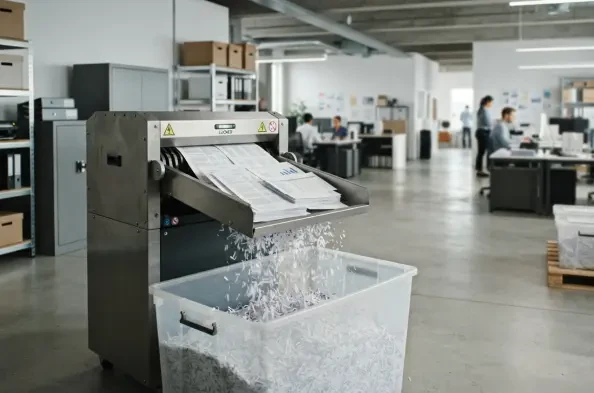
Modern businesses have the flexibility to choose between different destruction methodologies based on their specific security needs and document volume requirements. On-site shredding involves specialized mobile units that arrive at the business location to destroy documents directly on the premises. This method is often favored by organizations that require immediate visual verification of destruction for high-stakes confidentiality or specific contractual obligations. Seeing the process happen in real-time provides an unmatched level of assurance for security officers and management. Furthermore, on-site services minimize the time that sensitive materials spend in transit, reducing the window of opportunity for unauthorized access. This approach is particularly effective for periodic purges of high-level executive files or sensitive legal documents where the highest degree of oversight is non-negotiable. It allows the business to maintain total control over the destruction environment without investing in expensive industrial machinery.
Supporting Digital Transformation and Sustainability
As companies pursue digital transformation, secure shredding plays a vital supporting role through integrated “scan and shred” workflows. Once physical archives are digitized and indexed into a cloud-based management system, the original paper copies often become redundant liabilities that require secure elimination. Simply moving paper files to a storage room does not mitigate risk; it merely relocates it. By coordinating the destruction of physical records immediately after their digital verification, businesses can reclaim valuable office square footage and reduce the high costs associated with off-site storage facilities. This transition allows for a more agile workspace where information is accessed digitally while the physical footprint is systematically minimized. The process of retiring old paper archives is a necessary step in becoming a truly modern, digital-first organization. It ensures that the legacy of paper-based operations does not create a long-term security burden or an administrative bottleneck.
Implementing Strategic Next Steps for Information Governance
Organizations that prioritized secure document destruction in 2026 successfully minimized their exposure to liability and improved their operational flow. Leaders integrated destruction protocols directly into their employee training manuals and established clear schedules for the purging of obsolete physical records. By partnering with certified shredding providers, these companies ensured that every piece of sensitive paper was recycled into unreadable pulp, supporting both security and sustainability goals. Moving forward, businesses were encouraged to conduct quarterly audits of their storage facilities and digitize remaining archives using a strict scan-and-shred methodology. The most effective operations were those that viewed disposal as a critical final step in the data lifecycle rather than an afterthought. Ultimately, these measures built a foundation of trust with clients and safeguarded the strategic assets of the firm against both physical and digital threats encountered throughout the year.