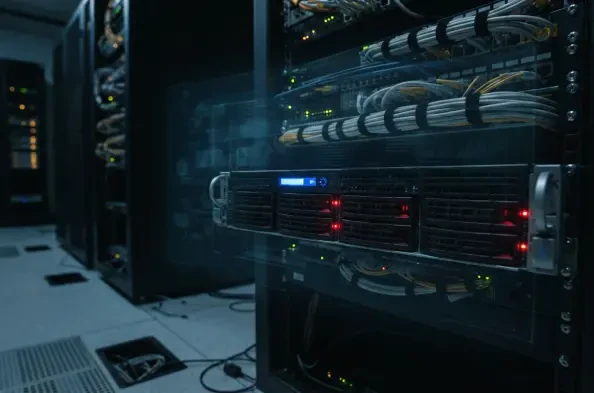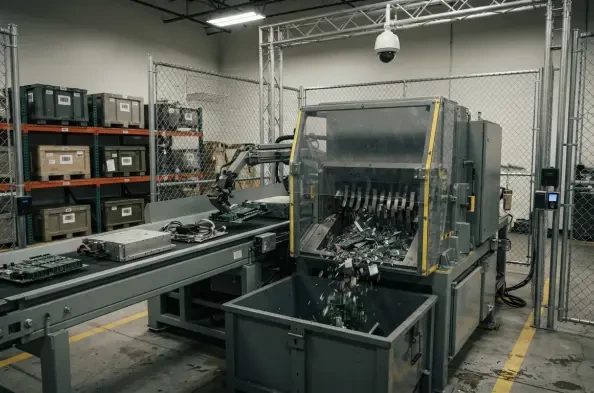
Defense-related hardware often contains sensitive technical data and proprietary designs that remain a national security risk even after the equipment has reached its end of life. As of 2026, the rapid evolution of defense electronics has made the secure retirement of obsolete systems more complex than ever before, requiring a level of oversight that goes far beyond traditional recycling. Advanced Technology Recycling, headquartered in Pensacola, Florida, has emerged as a leader in this high-stakes field by significantly upgrading its security and logistical infrastructure to accommodate the unique needs of the aerospace and government sectors. These enhancements are designed to address the persistent threat posed by controlled technology, ensuring that every asset is tracked from its initial collection point to its final point of destruction. By integrating advanced facility surveillance with rigorous operating procedures, the firm provides a comprehensive solution for managing International Traffic in Arms Regulations materials, effectively safeguarding national interests throughout the hardware’s entire lifecycle.
Strategic Compliance and Operational Frameworks
The cornerstone of these recent investments is the recognition of a critical national security principle: controlled equipment does not automatically become low-risk upon retirement. In the defense and aerospace sectors, hardware often contains sensitive technical data, proprietary designs, or controlled components that could be exploited if they fall into the wrong hands. ATR’s program is built on the philosophy that the responsibility for defense-related technology persists until the material has been definitively destroyed or rendered unrecognizable and unrecoverable. To address these risks, the organization has integrated newer fleet visibility capabilities and advanced facility surveillance with its longstanding, documented ITAR operating procedures. This synthesis of technology and protocol ensures that every piece of equipment is tracked from the moment of collection to its final disposition, providing a secure and transparent pathway for the retirement of the nation’s most sensitive electronic assets in the current 2026 landscape.
Building a Foundation: The Secure Retirement of Technology
The organization operates on the fundamental principle that the responsibility for defense technology persists until the material is rendered completely unrecognizable and unrecoverable. To manage this responsibility effectively, the company develops a customized Statement of Work for every project, which serves as a definitive roadmap for the entire disposition process. This comprehensive document meticulously outlines material classification, specific handling restrictions, and the authorized endpoints for final destruction, ensuring that all stakeholders are aligned from the outset. By establishing these parameters early, the firm provides a clear framework that meets the specific security needs of aerospace and military partners, preventing the administrative oversights that often occur during large-scale decommissioning projects. This detailed planning phase is essential for mitigating the risks associated with technology retirement, where the volume of data-bearing devices requires consistent management to prevent potential breaches.
Maintaining the integrity of these specialized workflows requires a dedicated compliance team that oversees every stage of the operation, from the loading dock to the shredding line. This team works in close coordination with logistics and warehouse staff to enforce internal checkpoints that prevent process exceptions or the accidental commingling of ITAR-regulated materials with standard commercial streams. Such rigorous segregation is vital because the penalties for mismanaging export-controlled items can include devastating federal fines and the loss of essential export privileges. By utilizing sophisticated tracking software and physical barriers, the facility ensures that every piece of sensitive hardware is isolated and accounted for at all times. This level of internal oversight allows the firm to provide clients with a formal guarantee that their assets are being handled according to federal standards, effectively removing the ambiguity and risk that often plague high-stakes electronics recycling efforts in the modern defense sector.
Logistics and Destruction: Maintaining Control through Final Disposition
A vital component of this enhanced security model is the company’s decision to utilize a proprietary, company-operated transportation program rather than relying on third-party freight carriers. This strategy eliminates the vulnerabilities inherent in common carrier shipping, where assets might be handled by multiple parties or stored in unmonitored transit hubs before reaching their destination. To bolster this logistical chain, the firm has implemented real-time fleet monitoring and advanced geofencing technology on all its vehicles, providing automated alerts to the corporate security center if a truck deviates from its assigned route. These logistical controls are paired with vehicle-mounted cameras that provide constant visual context during transit, ensuring that the custody of the assets is never in question. By maintaining a closed-loop transportation system, the organization creates a comprehensive security envelope that follows the hardware from the client’s facility through every phase of processing, reducing the risk of theft.
Stakeholders in the defense and aerospace industries found that the lifecycle of technology might have reached its end, but the security obligations associated with those assets remained a top priority. By modernizing fleet visibility and refining destruction protocols, ATR provided a clear, documented pathway for organizations to retire sensitive electronics without compromising national security. Moving forward, organizations should prioritize the classification of materials early in the decommissioning phase and engage partners who offer integrated, company-owned logistics to minimize chain-of-custody risks. It was also advisable to utilize digital documentation portals that facilitate easier auditing and real-time oversight of the entire destruction process. These actions helped security leaders avoid the costly pitfalls of improper disposal while ensuring that every component was handled with the rigor required by federal law. The focus successfully shifted from simple recycling to a comprehensive risk-management strategy that protected vital interests.