The detection of unauthorized activity on March 24, 2026, marked the beginning of a complex investigation into the theft of sensitive personal and corporate data. This intrusion, attributed to the notorious INC Ransom group, targeted the digital infrastructure of Lincoln Property Company Commercial, a prominent Dallas-based real estate powerhouse. While the initial breach was identified in early spring, the sheer scale of the incident only became fully apparent after months of meticulous forensic analysis. It was not until October 2026 that the firm officially began notifying state regulators and affected individuals about the compromise of their private records. This substantial delay highlights the inherent difficulties large-scale commercial entities face when attempting to untangle the web of a modern cyberattack. The breach serves as a stark reminder of the persistent vulnerabilities within the real estate sector, where vast amounts of financial and personal data are managed daily, making such firms prime targets for sophisticated extortionists looking for high-value leverage in the current digital landscape.
Anatomy of the Data Exfiltration
Compromise of Personal and Financial Records
The volume of data siphoned during the attack is staggering, with investigators confirming that approximately 800 gigabytes of confidential information were exfiltrated by the threat actors. Among the most concerning elements of the stolen cache is the extensive collection of personally identifiable information belonging to over 7,000 residents across Texas and Massachusetts. This sensitive data includes Social Security numbers, driver’s license identifiers, and specific financial account details that could be easily exploited for identity theft. Furthermore, the breach extended into the realm of protected health information, involving medical records and insurance data that are strictly regulated under privacy laws. The exposure of such deeply personal details places the affected individuals at a significantly higher risk of targeted phishing attacks and long-term financial fraud, necessitating a rapid and robust response from the credit monitoring services provided by the real estate company.
Exposure of Sensitive Protected Health Information
Beyond the immediate threat to individual privacy, the nature of the stolen healthcare data introduces a unique layer of complexity to the recovery process. Medical records are often considered more valuable on the dark web than standard credit card numbers because they cannot be easily changed or cancelled. In this instance, the exposure of insurance details and clinical information means that victims may face challenges with fraudulent medical billing or the potential compromise of their future insurance eligibility. The unauthorized access to dates of birth and other static identifiers further complicates the mitigation efforts, as these pieces of information are fundamental to verifying identity across various service sectors. For those impacted, the psychological toll of knowing their private health history is in the hands of criminals is profound, highlighting the necessity for the specialized identity restoration services that have been deployed to address these specific and sensitive concerns.
Corporate Vulnerability and Strategic Remediation
Impact on Proprietary Business Intelligence
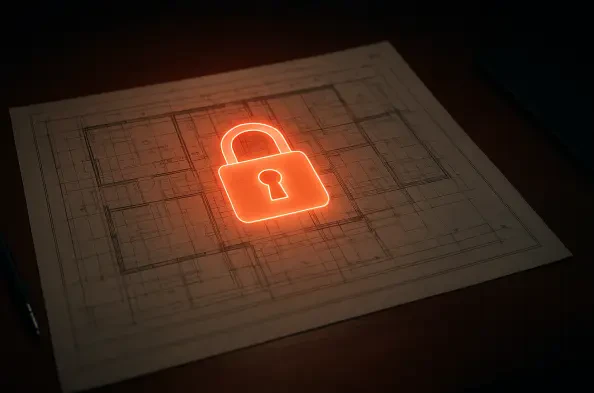
The breach did not merely target individuals; it also resulted in the theft of high-level corporate intelligence that could impact the firm’s competitive standing. Specifically, the INC Ransom group managed to acquire a diverse array of internal documents, including non-disclosure agreements, investment memorandums, and detailed financial audits spanning the current operational year of 2026. These documents provide a comprehensive look at the company’s fiscal health and strategic partnerships, offering competitors or other malicious actors a roadmap of the firm’s operational strengths and weaknesses. Additionally, the theft of project blueprints and architectural drawings introduces a physical security risk, as these files contain the structural layouts of significant commercial properties. The loss of such proprietary information often leads to broader institutional damage, potentially undermining the trust of investors and partners who rely on the company’s ability to secure sensitive development plans.
Strengthening Cybersecurity Governance Frameworks
To bolster the recovery efforts, the firm integrated identity restoration services through the Experian ExtendCare program, ensuring victims had access to fraud resolution agents. These specialists were trained to handle the complex logistics of repairing a compromised identity, a process that often lasted long after the initial breach was contained. Looking forward, commercial real estate entities must adopt more rigorous data minimization policies and hardware-backed authentication to prevent such large-scale exfiltration events. It is recommended that companies conduct quarterly security audits and employ advanced endpoint detection systems to catch lateral movement before data can be stolen. The resolution of the Lincoln Property Company incident demonstrated that while a breach was devastating, a structured response could significantly mitigate the long-term damage to individual lives. By prioritizing transparency and providing substantive support, the organization worked to restore the professional trust that was so severely tested during the spring of 2026.