
Data Management
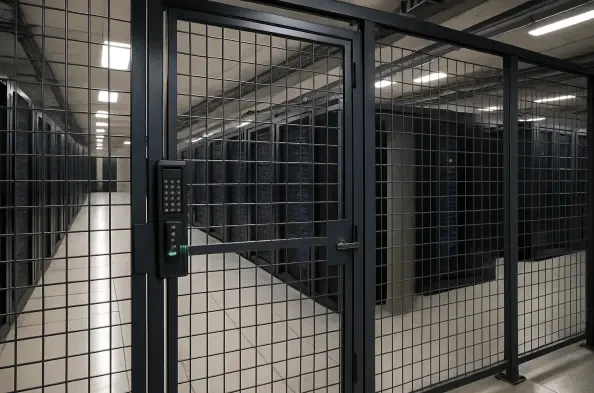
The silent hum of a thousand interconnected GPUs in a modern data center represents more than just raw processing power; it is the heartbeat of a global economy that increasingly relies on the integrity of artificial intelligence. As organizations transition from traditional compute hubs to specialized facilities designed specifically for AI

The rapid integration of generative artificial intelligence into the software development lifecycle has created an environment where code is authored at a speed that vastly outpaces the human capacity to validate it. While engineering departments in 2026 report record-breaking numbers of pull requests and automated commits, the actual delivery of

The boardroom silence that follows a proposal for aggressive Artificial Intelligence adoption often masks a dangerous misconception that safety resides in the shadows of industry consensus. This hesitation is frequently presented as a calculated move to avoid the pitfalls of early adoption, yet it overlooks the reality that the technological

The shimmering heat of a Mediterranean morning in Málaga often obscures the physical weight of the digital world, yet the stony grandeur of the Palacio Miramar provides a surprisingly accurate mirror for the critical infrastructure of the current era. While the general public often envisions the internet as a collection of ethereal signals

The modern business world treats data with a level of reverence once reserved for physical gold, yet most organizations are still struggling to turn their massive digital vaults into actual wealth. It is a striking irony that while the average enterprise spends tens of millions on the latest cloud architectures and analytics suites, the majority
The rapid evolution of high-density AI environments has transformed the data center from a simple collection of server racks into a highly coupled, complex system where power, cooling, and workload placement are inextricably linked. As energy demands are projected to surge and physical constraints tighten, traditional siloed management is becoming