
The sophisticated nature of cyberattacks in the current landscape demonstrates that simply collecting data is no longer a viable strategy for maintaining organizational integrity against persistent digital threats. Security teams often find themselves swimming in a vast ocean of telemetry, where every endpoint generates thousands of events, yet the actual ability to stop an intrusion remains frustratingly elusive for many. This disconnect creates a dangerous paradox: the more visibility a company gains through its Endpoint Detection and Response (EDR) platform, the more overwhelmed its analysts become. Transitioning from basic visibility to true operational resilience requires a fundamental shift in how security operations are executed. It is not enough to merely witness an attacker moving through the network; the infrastructure must be capable of absorbing the blow and continuing to function. Resilience implies a state where the business survives the breach without significant downtime, turning a potential catastrophe into a manageable incident that does not derail long-term goals or customer trust.
Overcoming the Barriers of Lean Security Teams
Many small and mid-sized enterprises struggle with a persistent operationalization gap where high-fidelity visibility is present but the capacity to act is severely constrained. Even with top-tier software, a team of two or three analysts cannot possibly keep pace with the thousands of alerts generated across a modern remote-workforce environment. This leads to a state of chronic alert fatigue, where critical warnings regarding suspicious PowerShell executions or unauthorized credential access are buried beneath hundreds of routine administrative notifications. When every event is treated with the same level of urgency, nothing is actually prioritized, leaving the door wide open for attackers who understand how to hide in the noise. The lack of a 24/7 security operations center means that an attack starting at 2:00 AM on a Saturday will likely go unnoticed until Monday morning, by which time the adversary has already exfiltrated sensitive data or deployed ransomware throughout the entire network.
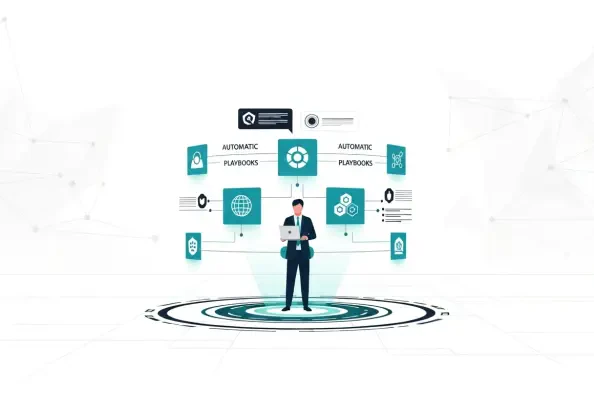
The specialized skills required to perform deep forensic investigations are often missing in leaner security departments that are already spread thin across IT and security duties. Investigating a modern breach requires more than just looking at a dashboard; it necessitates an understanding of memory forensics, network traffic analysis, and reverse engineering of malicious scripts. Without these capabilities, teams are often forced to rely on “wipe and reinstall” tactics, which solve the immediate symptom but fail to address the root cause of the intrusion. This reactive cycle is unsustainable and fails to build any long-term resilience because it does not stop the next attack from using the same entry point. To break this pattern, organizations must seek ways to augment their internal staff with automated filtering and external expertise that can distinguish between a harmless system update and high-risk lateral movement. Moving beyond the reactive phase involves establishing clear playbooks that define exactly how to contain a threat once it is identified.
The Rise of AI-Driven and Living-Off-the-Land Threats
The current threat landscape is increasingly defined by “Living-off-the-Land” (LOTL) techniques, where adversaries bypass traditional detection by using legitimate system tools already present on the target machine. Tools such as Windows Management Instrumentation (WMI) or remote desktop protocols are exploited to perform reconnaissance and move laterally without triggering standard antivirus signatures. Because these actions appear to be routine administrative tasks, they are difficult for standard EDR rules to flag as malicious without generating excessive false positives. Attackers are becoming more adept at using stolen credentials to masquerade as authorized users, making the distinction between a legitimate employee and an intruder almost impossible based on logs alone. This evolution in adversary behavior means that a detection-only approach is inherently flawed, as the damage is frequently completed before any manual intervention can be staged. Organizations must therefore look for behavioral patterns rather than just static signatures to catch these subtle movements.
Moreover, the integration of artificial intelligence into the attacker’s toolkit has dramatically increased the speed and scale at which breaches occur in the current year. AI-driven malware can now adapt its behavior in real-time to evade specific security controls, while automated phishing campaigns use large language models to create highly convincing and personalized lures at an unprecedented volume. This acceleration means that the window for response has shrunk from days or hours to mere minutes. A human analyst, no matter how skilled, cannot compete with the velocity of an automated attack script that can compromise an entire domain in under thirty minutes. Resilience in this context requires a move toward automated containment strategies where the EDR platform can take immediate action to isolate an infected host the moment certain high-risk behaviors are detected. Waiting for a human to review a ticket and authorize a port block is a luxury that modern businesses can no longer afford if they wish to maintain continuous operations during a sophisticated cyber campaign.
Building a Sustainable Layered Defense for Business Value
True resilience is built upon a foundation of dynamic hardening, which uses intelligent automation to proactively close security gaps before they can be exploited by an intruder. This involves more than just periodic patching; it requires a continuous assessment of the attack surface to restrict the abuse of legitimate tools and scripts. For instance, an EDR solution enhanced with dynamic hardening can automatically block unauthorized macro execution or limit the permissions of administrative tools on endpoints where they are not strictly necessary. By narrowing the field of play for an attacker, the organization forces the adversary to use noisier, more detectable methods to gain a foothold. This proactive layer significantly reduces the overall volume of alerts that require human attention, allowing the security team to focus their limited resources on the most complex threats. Hardening acts as a permanent shield that operates independently of real-time monitoring, ensuring that even if an alert is missed, the system remains robust.
The transition from a tool-centric security focus to a resilience-based operational model yielded significant business advantages, including much faster containment times and a drastically lower overall risk profile. Organizations that adopted this integrated approach found it significantly easier to meet the stringent requirements of cyber insurance providers, who demanded proof of active 24/7 monitoring and rapid response capabilities. Regulatory bodies also responded positively to these measures, as they demonstrated a commitment to data protection that went beyond mere box-ticking compliance. By operationalizing their security data, companies transformed a technical necessity into a strategic asset that protected the bottom line and ensured business continuity. The measurable reduction in downtime during security incidents provided a clear return on investment, justifying the move toward more advanced, managed solutions. This strategic shift allowed leadership to view cybersecurity not as a cost center, but as a critical component of a robust and reliable corporate infrastructure.
Final resilience was achieved when leadership moved beyond the acquisition of software and prioritized the creation of a responsive security culture supported by expert partnerships. The first step involved a comprehensive audit of existing telemetry to identify which data points were actually actionable and which were merely contributing to noise. Following this, the implementation of automated response playbooks ensured that high-risk threats were contained within seconds, regardless of the time of day. Organizations then solidified their defense by establishing a continuous feedback loop between their external managed services partners and internal IT departments to refine hardening policies. Future-proofing the enterprise required a commitment to ongoing training and the adoption of AI-driven tools that could match the speed of modern adversaries. Ultimately, the most successful companies were those that recognized the value of human expertise in interpreting the stories told by their data. By turning visibility into a dynamic defensive shield, these businesses successfully insulated themselves from the volatile nature of the digital landscape.





