Modern cybersecurity has evolved beyond simple virus definitions into a high-stakes chess match where every move by an attacker requires a sophisticated, multi-dimensional response from defenders. As enterprises navigate the complexities of 2026, the reliance on fragmented security tools is rapidly giving way to a more cohesive strategy. A recent deep dive into the habits of nearly 2,000 security leaders highlights a significant pivot in how large organizations safeguard their digital assets. While endpoint detection and response remains a core pillar for 78% of these firms, the consensus is shifting toward the realization that isolated defenses are no longer sufficient against contemporary adversaries. This evolution reflects a broader trend of technological maturity, where the primary objective is no longer just detecting a breach, but orchestrating a unified defense mechanism that spans the entire corporate network infrastructure seamlessly without any gaps.
Unified Defense
Network Link
Nearly half of the organizations surveyed are now actively blending their endpoint protection with next-generation firewalls and dedicated incident response protocols to create a more resilient perimeter. This hybrid approach aims to close the gap between device-level vulnerabilities and network-wide exposure, ensuring that data flows remain monitored at every transition point. By synchronizing these tools, security teams can trace a threat from its initial point of entry at an employee workstation all the way through the internal traffic logs in real time. This level of visibility is crucial for mitigating lateral movement, a common tactic used in modern ransomware and corporate espionage schemes. The integration allows for automated blocking of malicious IP addresses at the firewall based on triggers found on the endpoint, significantly reducing the manual workload for security analysts who are often overwhelmed by the sheer volume of alerts coming from various sources daily.
Data Analysis
Conversely, about a quarter of modern enterprises are doubling down on data-centric integration by combining Security Information and Event Management with Extended Detection and Response and real-time Threat Intelligence. This specific combination focuses on correlating vast amounts of telemetry from diverse sources to identify subtle patterns that might otherwise go unnoticed in a traditional setup. When an XDR platform receives feeds from threat intelligence databases, it can proactively hunt for indicators of compromise that are specific to the company’s industry or geographic location. This proactive stance is essential for countering advanced persistent threats that often dwell within a system for months. The primary benefit here is the ability to turn noise into signal; instead of being buried under thousands of low-level alerts, teams receive high-fidelity, actionable insights. This strategy effectively creates a centralized brain for the security operations center to thrive.
Future Tools
XDR Growth
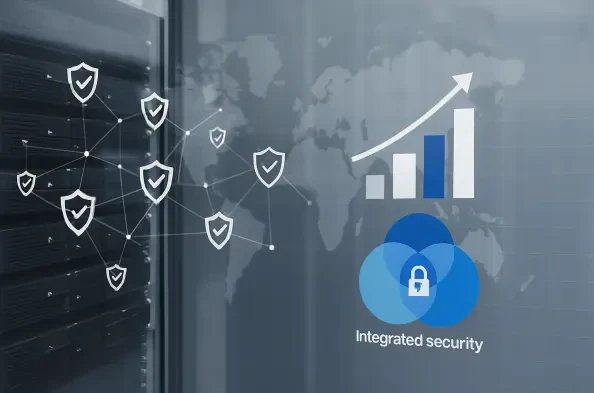
Looking ahead at the current trajectory, the industry is witnessing a significant surge in the adoption of automated security frameworks, with XDR usage projected to climb from 63% to 71% by next year. This growth is mirrored by an increased demand for specialized tools such as Network Detection and Response and robust DDoS protection layers that can handle massive traffic spikes. Large organizations are realizing that as their digital footprint expands into edge computing and IoT, the attack surface becomes too vast for manual oversight alone. Consequently, the adoption of centralized analytics is becoming a mandatory requirement for maintaining operational resilience in a volatile environment. The shift is not merely about buying new software; it is about vendor consolidation. Approximately 26% of firms have already switched their primary security providers to find a platform that offers better native integration. This consolidation trend suggests that the era of managing disconnected tools is ending.
Cloud Security
To effectively navigate this complex landscape, organizations prioritized the implementation of centralized monitoring systems that could bridge the gap between virtualized workloads and physical hardware. Key initiatives included the deployment of managed detection and response services to supplement internal talent, ensuring that 24/7 coverage was maintained despite the ongoing global skills shortage. By incorporating dedicated cloud workload protection, businesses managed to secure their native applications without sacrificing performance or scalability. These steps proved vital for creating a robust posture that could withstand the increasing frequency of sophisticated digital incursions. Leaders focused on utilizing automated incident handling to reduce response times from hours to mere minutes, effectively neutralizing threats before they could cause significant damage. This proactive philosophy transformed cybersecurity from a reactive cost center into a strategic asset for global firms.