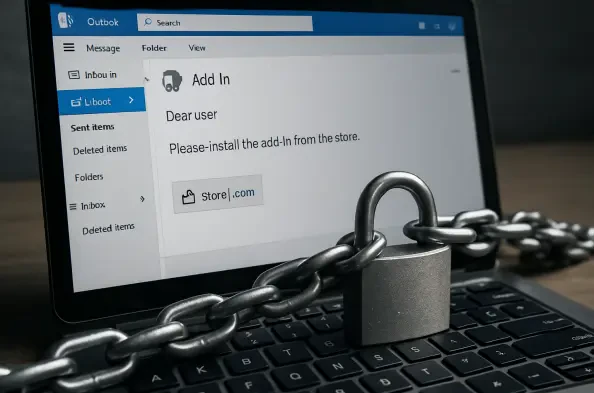
The modern workspace no longer resides within a single application but exists as a complex web of interconnected services that exchange data in real-time to keep teams synchronized and productive. At the heart of this transformation is the Microsoft Outlook add-in architecture, a sophisticated framework that has replaced the clunky, device-dependent plugins of the past with streamlined, cloud-native capabilities. By allowing third-party developers to embed their services directly into the email interface, Microsoft has created a powerful ecosystem. However, this same convenience has introduced a silent, structural vulnerability that high-level threat actors are now beginning to exploit with surgical precision.
This review examines the shift from traditional COM and VSTO models—which required local installation and administrative privileges—to the modern Office JavaScript API. This evolution was intended to enhance security by sandboxing extensions within the browser’s execution environment. While this move effectively mitigated many traditional malware risks, it shifted the trust boundary from the user’s local machine to the developer’s cloud infrastructure. This transition has bridged the gap between desktop software and SaaS, yet it has also created a scenario where the security of a corporate inbox is only as strong as the domain management of a third-party developer.
Technical Framework: Architecture and Execution
The fundamental building block of a modern Outlook add-in is the manifest file, which acts as a digital identity card and a roadmap for the application. Unlike older formats that contained the actual executable code, the manifest is a lightweight XML or JSON document that tells Outlook where to find the functional logic. This model is unique because it decouples the interface from the intelligence; the manifest is static and signed by Microsoft, but the content it points to is dynamic. This allows developers to push updates instantly without requiring the user to download a new version, ensuring that tools like calendar sync or task managers are always running the latest code.
Beneath the surface, Outlook renders these add-ins using iframes, which are essentially windows into external web servers controlled by the developer. While this delivery method provides high performance and a native-looking UI, it introduces a significant security paradox. The host application trusts the source URL defined in the signed manifest, assuming the server on the other end is still under the rightful owner’s control. If that server or its underlying domain is abandoned or hijacked, the iframe becomes a perfect vessel for injecting malicious scripts directly into the user’s most sensitive communication channel.
Permission scopes further complicate this landscape, particularly the “ReadWriteItem” level. This technical capability grants an add-in the power to not only view emails and calendar invites but also to modify or send them. In a legitimate context, this is what allows an add-in to suggest meeting times or organize folders. In a compromised scenario, however, this permission level grants an attacker nearly total control over the mailbox. Because the modern API model prioritizes seamless integration, users often grant these permissions once and never revisit them, creating a permanent doorway for data exfiltration.
Evolution of the Threat: The Hijacked Infrastructure
The “AgreeToSteal” incident serves as a definitive case study in how the threat landscape has pivoted toward exploiting abandoned digital infrastructure. In this scenario, attackers did not breach Microsoft’s servers or use traditional malware. Instead, they identified an “abandonware” add-in called “AgreeTo” whose developer had let their Vercel cloud domain expire. By simply claiming this defunct URL, the attackers inherited the trust originally established by the developer. This shift in industry behavior demonstrates that the path of least resistance is no longer through a front-door hack but through the “leftover” components of the software supply chain.
This method is particularly effective because it bypasses the initial vetting process of the Microsoft Store. When the “AgreeTo” add-in was first submitted, it was a benign productivity tool. However, because the content served via the iframe is dynamic, the attackers were able to swap the legitimate calendar interface for a sophisticated phishing kit. This transition from a trusted tool to a malicious one happened entirely out of sight of the platform provider’s static analysis tools. It highlights a critical flaw in the industry’s reliance on one-time approvals for dynamic web-based integrations.
Real-World Deployment and Security Obstacles
In corporate environments, these add-ins are deployed to streamline sensitive workflows, such as legal document signing or healthcare appointment scheduling. The integration of “AgreeTo” was intended to simplify calendar management, a ubiquitous need across all business sectors. However, its transformation into a phishing kit illustrates how easily these tools can be weaponized. When a user sees a login prompt inside their trusted Outlook window, the psychological barrier to entry is significantly lower than it would be for a suspicious link in a standard email. The environment itself provides the social engineering needed for the attack to succeed.
The primary obstacle to securing this ecosystem is the “approve once, trust forever” hurdle. Current marketplace regulations struggle to monitor the ownership status of the thousands of domains that power third-party apps. There is a notable lack of automated telemetry to detect when a domain’s DNS records change or when a hosting subscription lapses. Furthermore, the industry lacks a standardized “heartbeat” mechanism to verify that a developer is still actively maintaining their infrastructure. Without these safeguards, the Microsoft Store remains a repository of potential ticking time bombs in the form of abandoned but still installed applications.
Future Outlook: Moving Toward Zero Trust
The trajectory of this technology must involve a shift toward continuous monitoring and a zero-trust architecture for add-ins. We are likely to see the implementation of more rigorous lifecycle management protocols, where “abandonware” is automatically flagged or delisted if the developer fails to re-verify domain ownership periodically. Breakthroughs in automated scanning will eventually allow platforms to compare the current behavior of an add-in against its behavior during the initial review process. This would enable the detection of sudden shifts in code patterns or exfiltration destinations, such as the use of Telegram bots for credential harvesting.
Long-term adoption of third-party SaaS integrations depends heavily on the industry’s ability to fix these supply chain gaps. If the credibility of the marketplace is eroded by repeated hijacking incidents, corporate IT departments may revert to restrictive policies, stifling the innovation that web-based add-ins were meant to foster. Improved security protocols, such as mandatory Content Security Policy (CSP) headers and stricter domain verification, will be essential to restoring trust. The future of productivity software lies in its extensibility, but only if that extensibility is built on a foundation of proactive, ongoing verification rather than static trust.
Review Assessment and Verdict
The review of the Outlook add-in architecture revealed a powerful but vulnerable framework that prioritizes developer agility over long-term security. While the transition to a web-based model improved cross-platform compatibility and eliminated many local infection vectors, it inadvertently opened the door to sophisticated supply chain hijacking. The technical reliance on iframes and external manifests created a blind spot where abandoned domains could be weaponized without triggering traditional security alarms. This dual nature—acting as both a productivity catalyst and a significant security risk—defines the current state of the technology.
Security professionals realized that the “AgreeToSteal” incident was not an isolated failure but a symptom of a systemic issue in how digital marketplaces manage dynamic content. The investigation into these vulnerabilities prompted a necessary re-evaluation of the “set it and forget it” mentality regarding third-party integrations. Platform providers have since begun to acknowledge their responsibility in monitoring the entire lifecycle of an application, rather than just its initial debut. These developments underscored a critical shift in global cybersecurity, moving the focus away from individual file safety toward the integrity of the broader digital supply chain.