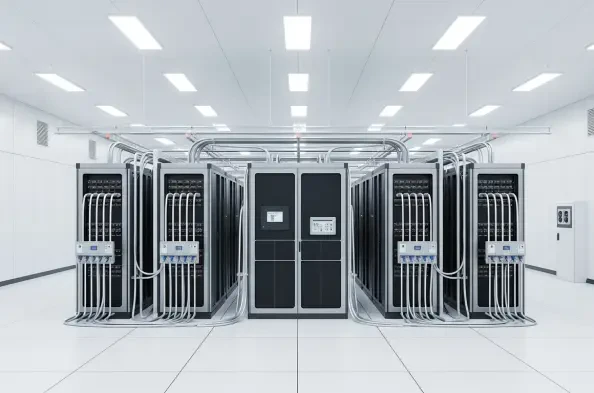
The modern semiconductor landscape has reached a pivotal juncture where the raw calculating power of a processor no longer dictates the absolute ceiling of machine intelligence. Instead, the focus has shifted toward the sophisticated conduits that transport and store data, as the transition of artificial intelligence from experimental research into ubiquitous enterprise applications has redefined memory from a basic commodity into a high-stakes strategic asset. This evolution marks a departure from traditional computing paradigms, placing the “memory wall”—the physical and logical bottleneck between processing and data retrieval—at the center of global technological competition.
This analysis explores the unprecedented financial expansion within the memory sector, the aggressive decentralization of manufacturing footprints across the globe, and the long-term structural shifts required to sustain scalable intelligence. As the industry moves forward, the ability to engineer higher densities and faster throughput will separate the leaders of the next industrial revolution from those hindered by legacy hardware limitations.
The Exponential Growth of Memory Demand in the AI Era
Financial Indicators and Market Adoption Statistics
The fiscal trajectory of industry titans reveals a staggering realignment of capital, evidenced by Micron Technology reaching a $23.9 billion revenue milestone that represents a threefold increase over previous cycles. This surge is not merely a temporary spike but a fundamental shift in how organizations allocate resources, with a 75% rise in quarterly earnings signaling that high-performance memory (HPM) has become the primary beneficiary of the AI catalyst. Investors and enterprises alike are moving away from general-purpose hardware, funneling billions into specialized silicon designed specifically to feed the data-hungry appetites of generative models.
Supply-demand disparities continue to define the market as DRAM and NAND flash production struggles to keep pace with the sheer volume of data ingested by large language models. Projections indicate that these tight market conditions will persist through 2028, as the architectural requirements for advanced reasoning consume available inventory faster than new fabrication lines can be commissioned. This scarcity has transformed procurement strategies, forcing tech giants to enter long-term supply agreements to ensure their AI roadmaps are not derailed by hardware shortages.
Real-World Implementation and Global Infrastructure Expansion
To mitigate these constraints, a massive $200 billion domestic investment strategy is unfolding within the United States, centered on creating a self-sufficient ecosystem for memory research and fabrication. New facilities in New York and a centralized R&D hub in Idaho are designed to collapse the distance between experimental design and high-volume manufacturing. By co-locating these functions, engineers can iterate on 3D stacking techniques and new materials in real-time, significantly reducing the latency between laboratory breakthroughs and commercial availability.
Beyond North America, the industry is building a resilient, decentralized supply chain through strategic cleanroom expansions in Taiwan and new infrastructure developments in Japan, India, and Singapore. These global footprints are essential for supporting hardware that handles advanced reasoning tasks, which require significantly expanded context windows compared to early-stage AI. Consequently, hardware manufacturers have moved from the periphery of the tech sector to its core, serving as the essential architects of the physical infrastructure that allows digital intelligence to function at scale.
Expert Perspectives on the Hardware-Software Synergy
Executive leadership across the semiconductor space, including voices like Sanjay Mehrotra, emphasizes that the software side of the AI revolution has effectively outrun the physical capabilities of current hardware. Without a radical increase in memory density and a corresponding reduction in energy consumption, the complex neural networks of the future will remain theoretical. The consensus among industry veterans is that the current era is defined by an “unprecedented gap” where processors sit idle for cycles, waiting for data to arrive from storage, making memory the true arbiter of system performance.
Navigating this environment requires a delicate balance between aggressive capital expenditure and the inherent volatility of the chip market. While the current demand seems insatiable, industry analysts warn of the historical cycles of oversupply that have previously plagued the sector. However, the unique nature of AI—where data growth is non-linear—suggests that the traditional boom-bust cycle may be replaced by a sustained period of high-intensity infrastructure building, provided that manufacturers can maintain the pace of innovation without overextending their operational capacity.
Future Implications and the Roadmap for Scalable Intelligence
As the initial wave of data center build-outs matures, the focus will inevitably pivot toward the localized deployment of enterprise-level AI. This shift will trigger a secondary surge in demand for edge-compatible memory, where the challenge lies in maintaining high throughput within the strict power and thermal constraints of on-site servers and mobile devices. Technological breakthroughs such as hybrid bonding and next-generation 3D NAND architectures are already on the horizon, aiming to dissolve the “memory wall” by integrating storage and logic more closely than ever before.
The broader industrial impact of this trend extends into the realms of national security and economic stability, as countries vie for control over the memory pipeline. Increased research spending is fostering a new generation of high-tech jobs and stimulating regional economies, yet the complexity of managing these global supply chains remains a significant hurdle. The successful integration of these technologies will likely define the boundaries of digital sovereignty, as the nations that master the movement of data will hold the keys to the most advanced autonomous systems and predictive analytics platforms.
Conclusion: Navigating the Next Frontier of Semiconductor Dominance
The intersection of extreme demand and structural supply constraints fundamentally altered the strategic priorities of the global tech economy. Stakeholders recognized that the silicon backbone of intelligence was no longer a secondary concern but the primary engine driving the scalability of modern enterprise. The massive financial milestones achieved by leaders in the field underscored a permanent shift in how computing power was valued and distributed.
Moving forward, organizations must prioritize the integration of localized AI capabilities and invest in specialized storage architectures to bypass the limitations of legacy infrastructure. The next phase of development will require a focus on energy-efficient high-density modules that can support real-time reasoning at the edge. Ultimately, the entities that successfully navigated the memory bottleneck established themselves as the gatekeepers of the next era of digital achievement.