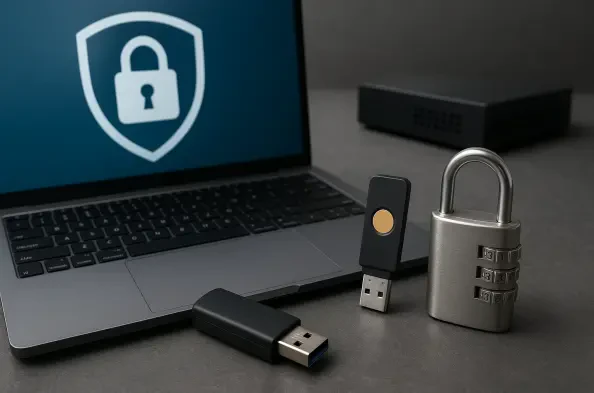
Modern device control has evolved from simple on/off port switches into highly granular governance systems that manage connections based on unique serial numbers. In the current cybersecurity landscape, the humble USB port remains one of the most significant physical vulnerabilities for any enterprise, acting as a gateway for sophisticated ransomware and a primary channel for intellectual property theft. As organizations transition toward more comprehensive Zero Trust Architectures, the focus has shifted from merely blocking ports to establishing a rigorous oversight framework that examines the identity and intent of every connected peripheral. This transition is further complicated by recent market shifts, where major security players have consolidated, absorbing specialized tools into broader data protection ecosystems. For instance, the integration of CoSoSys into the Netwrix umbrella and Digital Guardian into Fortra indicates a clear trend toward unified security stacks that prioritize visibility across all data movement vectors. Consequently, selecting a security tool in 2026 requires a deep understanding of how hardware governance fits into the wider context of data loss prevention and risk-adaptive enforcement.
Part 1. Analyzing the 2026 Scorecard: Leaders in Enterprise Hardware Security
The evaluation of this year’s top security tools relies on a rigorous scorecard that prioritizes control granularity and cross-platform reliability. Safetica has emerged as the frontrunner with a score of 8.9/10, primarily due to its exceptional ability to bridge the gap between simple hardware management and content-aware data protection. For many organizations, the value of Safetica lies in its sophisticated allowlisting capabilities, which allow administrators to define permissions not just by device type, but by specific serial numbers and vendor profiles. This ensures that a company-issued, encrypted drive is treated differently than a generic thumb drive found in a parking lot. While the depth of its policy engine offers unparalleled security, it does require a more nuanced administrative approach to prevent legitimate workflows from being inadvertently disrupted. The platform’s success highlights a broader industry shift toward tools that provide forensic-level visibility into exactly what data is moving across the physical perimeter, rather than just knowing that a device was plugged into a workstation.
In contrast to the broad appeal of Safetica, other high-ranking tools have carved out specialized niches within the 2026 market. Ivanti’s DeviceLock continues to be the preferred choice for environments that remain heavily dependent on the Windows ecosystem, offering unmatched depth in controlling system-level functions like clipboard interactions and network-over-USB protocols. However, its specialized focus on Windows often necessitates a secondary solution for firms with significant macOS or Linux deployments. Meanwhile, DriveLock has solidified its position as the premier option for European enterprises where GDPR compliance and local labor laws dictate a high degree of transparency and data residency. By integrating device control with BitLocker management and application white-listing, DriveLock provides a holistic security posture that appeals to organizations operating under strict regulatory oversight. For smaller firms or those with tighter budgets, ManageEngine Device Control Plus offers a pragmatic alternative, providing essential file shadowing and temporary access features without the financial burden of a full-scale enterprise DLP suite.
Part 2. Balancing Ecosystem Integration: Specialist Platforms and Unified Agents
A significant portion of the current market is dominated by large-scale security suites that favor operational simplicity through agent consolidation. Sophos Central exemplifies this trend, allowing organizations already utilizing its endpoint detection and response capabilities to activate peripheral control with a simple configuration toggle. This “single-pane-of-glass” management style is particularly attractive to IT teams that are stretched thin and cannot afford the overhead of managing multiple disparate security consoles. By using a single agent for both threat detection and device governance, Sophos reduces the performance impact on the endpoint while maintaining a consistent security policy across the entire fleet. However, it is important to note that while these integrated suites offer excellent ease of use, they sometimes lack the extreme granularity found in standalone specialists, which may be a critical factor for organizations in highly sensitive sectors like defense or pharmaceuticals.
Trellix also plays a major role in this integrated landscape, particularly for large enterprises that have already invested heavily in its broader security operations center infrastructure. The Trellix solution excels at feeding detailed peripheral telemetry into a centralized dashboard, allowing security analysts to correlate a USB connection event with other suspicious activities occurring on the network. This level of integration is essential for modern threat hunting, where a physical breach often serves as the initial vector for a much larger lateral movement attempt. While Trellix is often considered a “heavyweight” solution that demands significant resources to manage effectively, its ability to provide a unified policy framework across massive, global organizations remains a key selling point. For these large-scale deployments, the focus is less on the individual port and more on how device activity fits into the overall risk profile of the user, ensuring that security measures are both comprehensive and contextually aware.
Part 3. Transitioning Toward Platform Parity: Securing Diverse Operating Environments
One of the most pressing challenges in 2026 is the requirement for platform parity across Windows, macOS, and Linux. As the modern workforce becomes increasingly platform-agnostic, security tools that prioritize one operating system over others create dangerous blind spots. CrowdStrike Falcon Device Control has gained substantial traction by addressing this exact issue through its endpoint-native architecture. By leveraging the same lightweight agent used for its world-class detection capabilities, CrowdStrike provides immediate visibility and control across diverse hardware fleets without requiring a reboot or complex installation process. This approach is ideal for cloud-first organizations that prioritize speed and scalability. While it may not offer the specific deep-dive features for legacy Windows protocols that older tools do, its streamlined deployment and consistent interface across different operating systems make it a powerful contender for modern IT environments.
The drive for parity is not merely a matter of administrative convenience; it is a fundamental security requirement. Attackers often target the least-protected devices in a network, which are frequently macOS or Linux machines that have been overlooked by traditional device control policies. The consensus among security experts is that a robust defense must offer equal enforcement levels regardless of the user’s chosen hardware. This includes the ability to enforce encryption, restrict specific device classes, and log all file transfers with the same level of detail on a MacBook as on a Windows workstation. Vendors that have successfully achieved this balance, such as CoSoSys, are seeing increased adoption because they eliminate the need for “Frankenstein” security stacks composed of multiple different products. In 2026, the maturity of a device control solution is often judged by its ability to provide a seamless, high-fidelity experience across the entire spectrum of corporate hardware.
Part 4. Strategic Decision-Making: Navigating DLP Integration and Operational Logic
The choice between a standalone point solution and a fully integrated Data Loss Prevention system is a critical strategic decision for procurement teams. While DLP-integrated tools provide the ability to inspect the actual content of the files being moved, they come with a significant increase in both cost and administrative complexity. For many organizations, the “gold standard” remains a combination of serial-level allowlisting and enforced encryption, which provides a high degree of protection without the need for intensive content scanning. The decision to invest in content-aware security should be driven by a clear understanding of the organization’s specific risks; for example, a company dealing with proprietary source code or sensitive medical records may find the premium for content inspection to be a necessary investment. Conversely, a retail organization might find that strict hardware controls and encryption are sufficient to meet their compliance and security goals.
Beyond the technical features, operational practicality often determines whether a security implementation succeeds or becomes a source of user frustration. A common pitfall in previous years was the failure to account for offline scenarios, where a field engineer or remote worker might need to access a legitimate device without a persistent internet connection. Modern tools have addressed this by implementing code-based temporary access systems that allow administrators to grant one-time exceptions via a secure mobile app or phone call. This ensures that security does not become a bottleneck for productivity, which is the most common reason users attempt to bypass corporate controls. The most effective strategies in 2026 are those that recognize the human element, providing clear communication to users about why certain devices are blocked and offering streamlined, sanctioned alternatives for data transfer, such as secure corporate cloud storage.
Part 5. Extending Oversight: Managing Invisible Leakage and Industrial Risks
Comprehensive peripheral security in 2026 must look far beyond the standard USB-A and USB-C ports to address a wide array of potentially invisible leakage channels. Modern tools are now expected to govern clipboard activities, printing channels, Bluetooth connections, and mobile tethering, all of which can be exploited to move data out of a secure environment. For instance, a user might be blocked from copying a sensitive file to a thumb drive, but if they can simply copy the text into a personal webmail account or send it via Bluetooth to a nearby device, the security perimeter has failed. Top-tier solutions now provide a holistic view of all these channels, allowing security teams to create policies that prevent “copy-paste” actions from sensitive applications to unauthorized destinations. This level of control is essential in an era where data is increasingly fragmented across multiple applications and physical connection points.
In specialized sectors like Operational Technology and industrial manufacturing, the risk profile associated with removable media is even more acute. In these environments, the primary concern is often the introduction of malware into air-gapped systems via contractor-provided USB drives or maintenance tools. To mitigate this risk, successful implementations often pair endpoint device control with physical scanning kiosks and Content Disarm and Reconstruction technologies. This layered approach ensures that any device entering a sensitive area is first scrubbed of potential threats and then only allowed to connect to specific, authorized systems. By combining physical hardware controls with digital data sanitization, industrial organizations can protect their critical infrastructure without sacrificing the flexibility required for maintenance and updates. This specialized focus demonstrates that device control is not a one-size-fits-all solution but a versatile framework that must be adapted to the specific operational realities of the environment it protects.
Part 6. The Final Assessment: Implementing Resilient Device Governance Strategies
The analysis of the current market established that the transition from simple hardware blocking to sophisticated governance was a prerequisite for modern data security. It was determined that the most successful organizations avoided the trap of viewing device control as a standalone task, instead integrating it into a broader identity-centric architecture. These companies prioritized tools that offered granular serial-level tracking and seamless cross-platform enforcement, ensuring that their security posture remained consistent whether a user was on a Windows desktop or a Linux server. The research highlighted that while specialists like Safetica provided the highest level of detail, integrated platforms like CrowdStrike and Sophos offered significant advantages for teams looking to simplify their operational overhead. This balance between depth and simplicity was a recurring theme throughout the evaluation of the year’s top performers.
Ultimately, the most effective security leaders adopted a risk-adaptive approach that balanced rigid technical controls with the needs of the workforce. They recognized that preventing data loss required more than just a software agent; it necessitated a cultural shift where security measures were seen as enablers of safe productivity rather than obstacles. By implementing robust offline workflows and clear communication strategies, these organizations successfully reduced the likelihood of users seeking unauthorized workarounds. The key takeaway for the coming years was that peripheral security must remain dynamic, evolving alongside new hardware standards and changing work patterns. The focus moved toward a future where security policies automatically adjust based on the sensitivity of the data and the current risk profile of the user, creating a resilient and flexible defense against both accidental loss and malicious exfiltration attempts.