
Editorial

When data is lost, stolen, or mishandled, the consequences no longer stop at a fine or a news cycle. For industrial and B2B organizations, where physical assets and digital systems are increasingly intertwined, a breach can mean disrupted infrastructure, regulatory penalties, damaged partnerships, and reputational harm that takes years to recover

One breach can wipe out years of market momentum and put growth on hold. The average cost of a data breach in the U.S. has increased to over $10 million dollars , with containment often taking most of a year. That reality has pushed privacy from a back-office concern to a board-level discipline that directly affects revenue, valuations, and deal
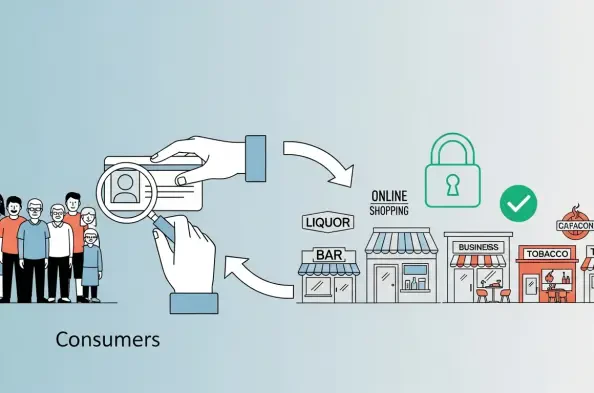
For many enterprises, age checks have moved from being a nice-to-have element in the legal department for compliance to a mandatory item on the product roadmap. More than ever, they influence conversion, brand safety, and the cost of doing business. Decision-makers must treat them as part of the business, with clear service-level agreements,
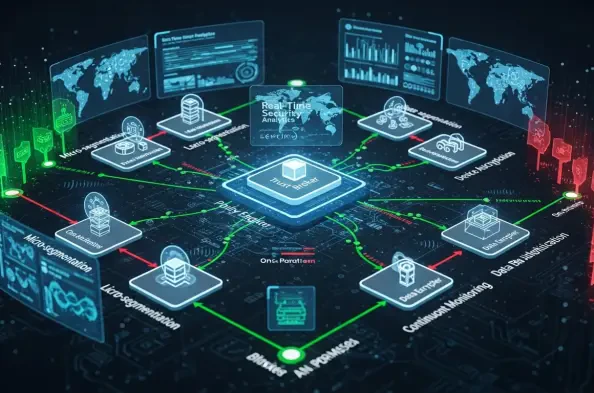
Perimeter-first security has become a liability in cloud-heavy, partner-connected enterprises. Breaches are more costly and faster, and each incident underscores the value of data as a business asset under threat. Attackers use valid credentials and living-off-the-land techniques that slip past signature tools. The global average cost of a data

Data center decommissioning is a critical data protection challenge. It goes beyond physical demolition. For many organizations, infrastructure retirement disrupts operations, leading to issues like manual ticket generation and heightened security concerns. Yet with faster hardware refresh cycles, transitioning from legacy systems can become a

Data breaches represent a growing financial threat, with the global average cost per incident exceeding $4.88 million in 2024 . That figure continues to increase as hackers exploit blind spots and employees unintentionally widen them. As data moves through cloud apps, vendor systems, and unmanaged devices, assuming it’s safe in one place creates