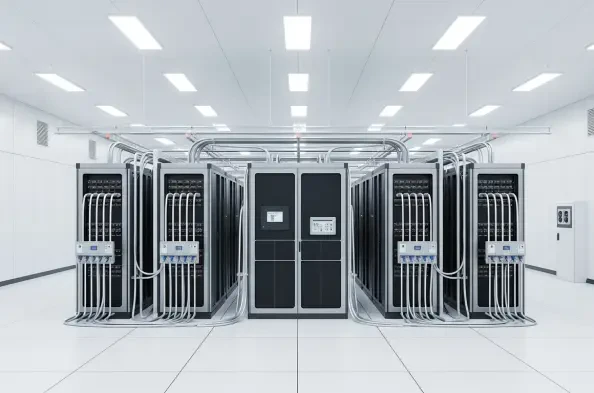
Data center decommissioning is a critical data protection challenge. It goes beyond physical demolition. For many organizations, infrastructure retirement disrupts operations, leading to issues like manual ticket generation and heightened security concerns. Yet with faster hardware refresh cycles, transitioning from legacy systems can become a streamlined process. When managed through a data protection lens, decommissioning supports corporate integrity and enhances both security and financial outcomes. This article explores how reframing decommissioning as a data protection imperative can improve governance and risk management.
Turning Decommissioning into a Strategic Advantage
Decommissioning in data protection is the secure, compliant retirement of IT infrastructure, ensuring all data is permanently erased before hardware disposal. It involves data sanitization, physical removal, and certified destruction of storage media to prevent breaches.
Modern data centers function as intricate ecosystems, with each server, switch, and storage array supporting critical business operations and compliance requirements. When the time comes to retire this equipment, the volume of logistical challenges can be overwhelming, often leading to hundreds of individual tickets for power-downs, access permits, and safety approvals.
During the data center decommissioning process, even a minor oversight can cause not just project delays but also significant risks, such as wasted hardware and costly data leaks. Security is often the primary driver of anxiety when data is being moved or removed, leading many companies to default to the physical destruction of all retired assets. While this solution may seem more secure and final, it can lead to unnecessary expenses and loss of resale value. The challenge is in moving beyond basic destruction methods to a balanced approach that ensures data security while maintaining efficiency and environmental responsibility.
To achieve this, decision-makers should treat data center decommissioning as a core part of data protection rather than an administrative burden. Emphasizing transparency, accountability, and advanced security measures offers a balanced approach that ensures data integrity while meeting operational and environmental responsibilities. This involves establishing clear roles and duties across IT, facilities, and compliance departments to ensure that every step of the process is documented and verifiable.
Taking proactive steps to incorporate robust data governance into the decommissioning process empowers businesses to identify asset vulnerabilities early, implement preventive measures, and guarantee that all actions are documented and audit-ready. This strategic approach ensures that data security is seamlessly integrated into key procedures, upholding compliance and optimizing resources. At its core, every decommissioning decision carries data risk, making protection controls the primary priority rather than operational convenience.
Establishing a Governance Model Focused on Data Security
To effectively protect data during decommissioning, a clear governance model and defined responsibilities are essential. These can eliminate the confusion often seen in large-scale infrastructure projects and ensure that tasks such as data destruction and access control are addressed by the appropriate teams. The appropriate teams address tasks such as data destruction and access controls, and vendor partners handle technical sanitisation.
To ensure accountability, organizations should assign clear ownership of data protection during decommissioning, with a designated role responsible for policy enforcement, validation, and audit readiness.
Another effective strategy is to integrate specialized operators with technical knowledge in secure data handling and the protection of sensitive information directly into the internal ticketing system, enabling seamless movement without manual bottlenecks. This level of synchronization enables comprehensive compliance while maintaining operational efficiency and protecting data integrity.
Streaming the Data Protection Timeline with Efficient Processes
At the same time, effective timeline management is critical to minimizing data exposure during decommissioning. For instance, validating backups before wiping data and completing removals before the hardware is unmounted and powered down can prevent prolonged downtime, protect data, and ensure business continuity.
Delays or disjointed approvals can extend the window in which sensitive data remains accessible, increasing the risk of unauthorized access or loss.
Depending on the number of racks involved, typical decommissioning can span several weeks, not because the physical work is slow, but because the approval cycles are often disjointed. To combat this, industry leaders can adopt rack-level sanitization, which enables simultaneous asset clearing and reduces idle time in valuable data center space. By focusing on critical paths and parallel processing, organizations achieve data protection at scale, predictable schedules, and optimized resource use, thereby improving overall efficiency. This approach also creates opportunities to rethink asset management strategies, enabling both cost savings and sustainability gains.
Adopting a Resale-First Strategy for Value Recovery
When supported by verified data sanitization, a resale-first strategy becomes viable without compromising data protection. While physical destruction of assets is often seen as the most secure option, modern standards like NIST 800-88 provide methods for safconsideredremoval that safeguard both data and hardwsuch as Using these standards enables the reuse or resale of cleaned assets, empowering organizations to retain control over their data while enjoying financial dividends.
Beyond the financial value of the resale strategy, preserving the hardware enables better lifecycle management, thorough data protection, and supports circular-economy principles by extending component life. Additionally, this strategy helps build resilience and accountability within decommissioning operations, laying the groundwork for robust compliance practices and secure asset handling.
Ensuring Robust Custody and Compliance for Data Assurance
The custody process is crucial for maintaining data integrity throughout the decommissioning process. Any break in the supply chain can undermine compliance, so ts must be meti tagged, serialised, and tracked. For example, IT teams can use ticket IDs, GPS-tracked transport, and dual-driver teams to provide an extra layer of physical security.
Some high-security environments even require separating hard drive mechanics from control boards during transport to deter theft and ensure data remains uncompromised. This level of detail transforms custody from ambiguity into a verifiable process. A well-documented chain of ownership provides auditoan ambiguous processhe evidence needed onefy data security during transitions, ensuring compliance with data protection mandates and protecting the organization’s reputation. With custody in place, IT teams should turn their attention to data sanitization, where precision and reliability are vital to safeguard sensitive information.
Prioritizing Rigorous Data Sanitization
In data protection, the sanitization process must emphasize precision and reliability. This starts by implementing rigorous, validated data wiping processes that ensure data irretrievability, a critical component of modern security auditing requirements. Businesses tend to prioritize speed over thoroughness, often overlooking the validation of these systems, which can compromise data security. It is essential that high-speed wiping systems undergo rigorous validation to ensure effective operation.
In environments where data cannot be wiped, physical destruction can be used as a contingency plan. By implementing a robust stack of sanitization controls, organizations can provide forensic-level assurance that their sensitive information has been permanently removed, satisfying even the most strict regulatory requirements.
Defining Vendor Relationships with a Focus on Data Protection
Finally, the relationship with decommissioning vendors must be defined through precise Statements of Work and Service Level Agreements to ensure continuous data protection. Clear delegation of roles, standards, and expectations reinforces security expectations and ensures continued alignment. Companies often miss opportunities to embed specific accountability measures, leading to compliance gaps and increased security risks. Contracts should specify which standards are to be followed, what certificates of destruction are required, and exactly how logistics will be handled.
By defining these agreements early, organizations can prevent half-decommissioned racks and ensure successful projects finish with thorough reports on sanitization, inventory reconciliation, and value recovery. This level of documentation ensures smooth, secure decommissioning and maintains alignment with data protection goals, enabling organizations to confirm that all operations meet security and compliance standards.
Conclusion
Repositioning decommissioning as a data protection imperative allows organizations to transform what was once a cost center into a controlled, auditable data protection process that enables secure value recovery.
Organizations that do not embrace these practices risk significant losses in compliance effectiveness and continue to face costly data protection issues. Without a strategic shift, IT leadership may be overwhelmed by ongoing decommissioning costs rather than channeling resources into sustainable innovations. Leaders must decide whether to operationalize data protection within decommissioning or accept increased exposure to compliance, security, and financial risk.