Navigating the New Frontier: Machine-Centric Security
Silent digital actors now outnumber the human workforce by a staggering margin, yet these machine entities often operate without the oversight necessary to prevent catastrophic breaches. The expansion of service accounts, cloud instances, and autonomous AI agents has created a shadow landscape of “unseen” identities that bypass traditional security frameworks. These gaps allowed unauthorized access to persist undetected, turning necessary operational tools into significant liabilities.
A comprehensive strategy must address these vulnerabilities by unifying identity management across the entire enterprise. This guide explores the transition toward adaptive access and the integration of machine identities into existing workflows. By prioritizing visibility, organizations can eliminate the blind spots that currently hinder secure digital transformation and AI adoption.
The Strategic Value: Securing Non-Human Identities
Robust governance for machine identities serves as a catalyst for sustainable business growth rather than just a defensive measure. By eliminating “dark” service accounts, organizations reduced the potential for credential misuse and lateral movement within the network. This security foundation allowed AI and automation tools to transition into production environments with greater speed and confidence.
Operational efficiency also improved as teams moved away from manual, error-prone management processes. Automated governance ensured that service accounts were properly decommissioned when no longer needed, preventing the accumulation of technical debt. Consequently, the reduction of manual overhead freed up security personnel to focus on higher-level strategic initiatives.
Core Strategies: Modern Identity Governance
The transition from manual oversight to automated, centralized governance is the only viable path for managing the sheer volume of modern identities. This shift required a move away from fragmented management silos that historically treated machine accounts as afterthoughts. Centralization ensured that every non-human entity remained subject to the same rigorous standards as the human workforce.
Integrating Non-Human Identities: Proven Governance Frameworks
Leveraging established enterprise tools like access reviews and certification processes for machine identities prevented the need for redundant security stacks. Instead of creating isolated systems, teams applied existing workflow automation to streamline service account audits. This integration minimized the friction typically associated with compliance and ensured that every automated actor had a clear owner and a defined purpose.
Transitioning to Adaptive Identity: Dynamic Risk Assessment
Traditional, static permissions proved insufficient for the fluid nature of cloud-based operations where roles change in seconds. Adopting an adaptive identity model allowed for real-time context and risk scores to dictate access levels dynamically. This method effectively neutralized threats by restricting permissions based on behavioral anomalies or environmental changes, rather than relying on permanent, high-privilege credentials.
Establishing Unified Visibility: All Identity Types
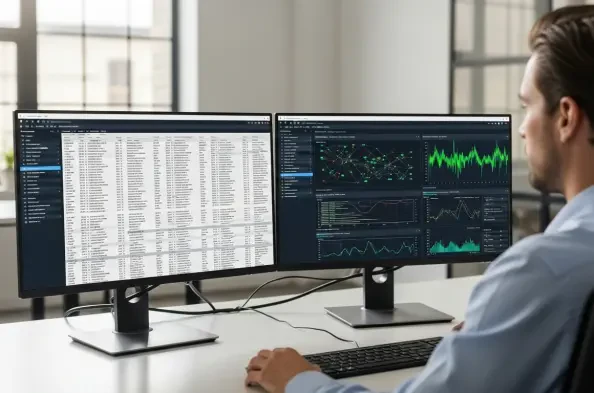
A single pane of glass for monitoring both human and machine identities eliminated the blind spots that attackers frequently exploited. This comprehensive visibility facilitated the automated lifecycle management of identities, which accelerated the safe integration of sophisticated AI tools. By observing the entire identity ecosystem in one place, security teams identified and resolved permission bloat before it became a crisis.
Final Verdict: Bridging the Gap for Business Agility
Achieving visibility and automation stood as the non-negotiable pillars of a resilient cybersecurity strategy. Success required CISOs to prioritize scalability and seamless integration with existing infrastructure when selecting governance tools. Leaders who moved toward unified identity management secured the necessary agility to innovate without compromising the safety of the digital enterprise. Future considerations focused on the continuous refinement of these automated protocols to stay ahead of evolving machine-based threats.