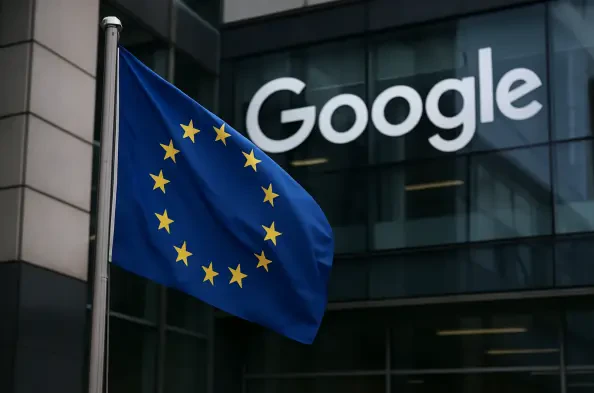
The foundational architecture of the internet’s next evolution is being rewritten not in lines of code, but in the terse language of regulatory mandates emerging from Brussels, signaling a seismic shift in the balance of power between technology and governance. In a move with far-reaching consequences for the artificial intelligence landscape, the European Union has intensified its scrutiny of Google, challenging the tech giant’s long-standing dominance over data and digital services. This confrontation is not merely about a single company; it represents a decisive moment in the global effort to shape a more equitable digital future, with the EU drawing clear lines in the sand over who controls the essential resources of the modern economy.
When the World’s Biggest Regulator Takes on the World’s Biggest Search Engine Who Blinks First
The European Union has fired its latest regulatory salvo, taking direct aim at Google’s artificial intelligence and data supremacy. This action, initiated by the European Commission, represents a critical test of the EU’s power to reshape the digital landscape and prevent a future dominated by a handful of tech titans. The confrontation is seen as a defining battle in the ongoing campaign to enforce Europe’s ambitious digital rulebook, forcing a powerful market leader to fundamentally alter its operations.
At its core, this is a high-stakes standoff over the future of innovation. Brussels is betting that its regulatory might can foster a more competitive environment where smaller players have a fighting chance. Conversely, Google is tasked with defending a business model that has delivered unparalleled technological advancement but is now accused of stifling the very competition that could drive the next wave of progress. The outcome will likely set a precedent for how governments worldwide approach the immense power wielded by Big Tech.
The Digital Markets Act Europe’s Rulebook for Big Tech
This regulatory push is anchored in the Digital Markets Act (DMA), a landmark piece of legislation designed to create a level playing field online by imposing strict obligations on designated “gatekeeper” platforms. The DMA’s goal is to dismantle the entrenched advantages that allow dominant companies to control entire digital ecosystems. The EU’s move is a direct response to long-standing grievances from smaller search engines and AI developers, who argue they are crowded out by Google’s immense market power and exclusive access to vast datasets.
The action against Google is not an isolated event but part of a broader, consistent pattern of EU regulation. It draws clear parallels to measures taken against Apple to open its closed ecosystem, demonstrating the Commission’s unwavering commitment to prying open walled gardens across the tech sector. By applying these principles to the burgeoning field of AI, regulators are attempting to preemptively address the competition concerns that have plagued other digital markets for years.
Inside the EU’s Ultimatum Breaking Down the Core Demands
The EU is operationalizing its authority through two “specification proceedings,” a method of turning the DMA’s broad principles into concrete, enforceable orders. These proceedings leave little room for ambiguity, providing Google with explicit instructions on compliance. The first demand centers on equal access to AI tools. Regulators will dictate precisely how Google must provide rival AI developers with the same functional access and features that its own services, like Gemini, receive. The objective is to eliminate any built-in technical advantage Google holds, ensuring that third-party services can compete on merit rather than being hampered by discriminatory access.
The second core demand involves opening Google’s invaluable search data vault. The Commission will outline the precise terms for Google to grant third-party search and AI companies access to its massive, anonymized search dataset. This includes critical information on ranking, queries, clicks, and views, all of which are essential for training competitive AI models and search algorithms. The mandate requires this access to be provided on fair, reasonable, and non-discriminatory terms, effectively turning Google’s proprietary data into a resource for broader industry innovation.
A Clash of Narratives The EU’s Pursuit of Fairness vs Google’s Fears
From the perspective of Brussels, this intervention is a necessary step to safeguard the future. EU officials, including tech chief Henna Virkkunen and antitrust chief Teresa Ribera, have framed the mission as one of ensuring the AI revolution is not “tilted in favour of the largest few.” Their narrative emphasizes the creation of a more competitive and equitable digital market where innovation can flourish beyond the confines of a few corporate giants. This is about fostering a diverse ecosystem where consumers have more choices and small businesses have the opportunity to grow.
In sharp contrast, Google has articulated significant concerns about the potential consequences of these mandates. Clare Kelly, Google’s Senior Competition Counsel, argued that the rules are being “driven by competitor grievances rather than the interest of consumers.” The company contends that it is already complying with the DMA through existing data licensing agreements and the open design of its Android operating system. Furthermore, Google has warned that these new, highly specific rules could compromise user privacy, weaken security protections, and ultimately slow the pace of innovation by adding complex regulatory burdens.
What Comes Next The Six Month Countdown and Its Global Implications
The European Commission has set an explicit and aggressive six-month timeline to finalize and enforce these specific mandates on Google. This rapid countdown signals a strategic shift in the EU’s approach, moving beyond high-level principles to the granular, operational directives needed to make the DMA effective in practice. This hands-on approach is designed to prevent lengthy disputes over interpretation and accelerate tangible changes in the market.
This decisive action is poised to have a significant ripple effect far beyond Europe’s borders. By defining the technical and commercial terms of data and AI access for one of the world’s largest tech companies, the EU could be setting a new global standard for regulation in this critical sector. Other regulators are watching closely, and this case may well provide a blueprint for how to rein in the power of digital gatekeepers worldwide, putting other tech giants on notice that the era of unchecked dominance is drawing to a close. The precedent established in the coming months ultimately defined the competitive landscape for the next generation of technology.